Going Out

Events, experiences, and venues — the night that happens outside the house.

  • The Cocktail Hour

    The Cocktail Hour

    Ninety minutes, two drinks each. It ends while you still want more of it.

    The cocktail hour has a specific and underused function: it is the format for when you want to dress up a little, go somewhere, and be present with each other without the full weight of a dinner reservation. It’s lighter than that. It has a natural exit built in — two drinks, maybe three, and then either you’re done or you go get dinner and the evening has started well.

    Find a bar that takes the craft seriously without performing it. The ones worth going to have a short list of house cocktails that are genuinely thought through, a bartender who knows what’s in each one without looking at a card, and ice that’s been handled correctly. Avoid the places where the menu is sixteen drinks long and all of them have cutesy names — those bars are selling the idea of craft cocktails, not the thing itself.

    Order one cocktail each for the first round (budget $16–22 per drink at a serious craft bar; in a major city the ceiling is higher). Don’t order the same thing. Order what sounds interesting to you specifically, not what sounds safe. The point of going somewhere good is to try what they do well.

    Sit at the bar if you can. Not always possible, but when it is, it’s almost always better. You’re facing the same direction, close together, and the bartender becomes part of the ambient texture of the evening without becoming an intrusion. The bar rail has a different energy than a table — more intimate somehow, less formal, even at a formal establishment.

    The conversation at the bar tends toward the good kind. Something about being in a proper room, dressed a little, holding a glass — it produces a version of each of you that isn’t quite the same as the everyday one. Not performed, just slightly heightened. That’s worth paying for occasionally.

    If the evening is going well, order one more round and let the decision about what comes next stay unmade for another twenty minutes. If it isn’t, the built-in exit is still there. Two drinks, thank you, out into the street. The night is still young and you haven’t committed to anything.

    Find your local equivalent

    Yelp’s “cocktail bar” filter combined with sorting by reviews and filtering by price tier gets you close. The James Beard Foundation’s Outstanding Bar Program nominees are a reliable shortlist. Any bar associated with a serious restaurant group in your city is worth investigating — the beverage program usually reflects the same level of care as the kitchen.

    Bars that set the standard

    Death & Co in New York and Denver remains the touchstone for what a serious cocktail bar looks and feels like. Employees Only in New York and Los Angeles. The Violet Hour in Chicago. Trick Dog in San Francisco. Canon in Seattle. These places are worth visiting at least once as a reference point for what you’re comparing everything else against.

    going-out  ·  cocktails  ·  any-stage  ·  evening  ·  dressed-up  ·  bar-rail  ·  ninety-minutes  ·  light-commitment  ·  craft  ·  prelude

  • The Museum Afternoon

    The Museum Afternoon

    Two to three hours. Walk slow. Stop when something stops you.

    The museum date works because of the permission it gives you to look at things together and say what you actually think about them. Not what you’re supposed to think. Not the correct interpretation. What you actually see, what you actually feel, what the thing in front of you actually does to you. That kind of honesty is harder to come by in a restaurant or a bar. The art demands a response, and the response tells you something.

    Don’t try to see everything. That’s the mistake most people make — moving through room after room at a pace designed to cover ground rather than encounter anything. Pick a section, or wander until something stops you, and then stop. Really stop. Stand in front of it for longer than feels comfortable. See if the other person is seeing the same thing you’re seeing.

    The conversation you want happens in front of specific pieces, not in the gift shop at the end. What does it look like to you. What do you think it was about. Does it do anything to you. Is there a version of this that you’d want to live with. These are easy questions to ask in front of a painting that they’d be impossible to ask anywhere else.

    Most major art museums have a day or evening when admission is free or reduced — Friday evenings are a common choice (check the museum’s website; several major institutions are free all the time, and most have discounted or waived admission for at least one weekday evening). A membership is worth buying if you’ll go more than twice a year; it often pays for itself at two visits and removes the transactional feeling from going.

    After, find the museum café if it’s good (some of them genuinely are) or a nearby restaurant. Don’t rush out. Let the afternoon extend. The conversation has material now — things you saw, things you disagreed about, something one of you noticed that the other missed entirely.

    Find your local equivalent

    Every city has something. Art museums, history museums, natural history museums, science centers — the format transfers across all of them. The smaller regional museum is often better for this than the major encyclopedic one, because you can actually slow down without feeling the weight of everything you’re not seeing. University art museums are consistently underutilized and frequently excellent.

    Institutions worth a trip

    The Art Institute of Chicago is one of the best art museums in the world and free on Thursday evenings. LACMA and the Getty in Los Angeles, with the Getty having the better setting. The Isabella Stewart Gardner Museum in Boston — the building itself is the experience. The Menil Collection in Houston is free always and one of the most intimate major collections in the country. The DIA in Detroit. The Walker in Minneapolis. Go somewhere you’ve been meaning to go.

    going-out  ·  any-stage  ·  afternoon  ·  museum  ·  art  ·  slow  ·  conversation  ·  free-or-cheap  ·  cultural  ·  discovery

  • The Farmers Market

    The Farmers Market

    Ninety minutes at the market. Dinner is the continuation.

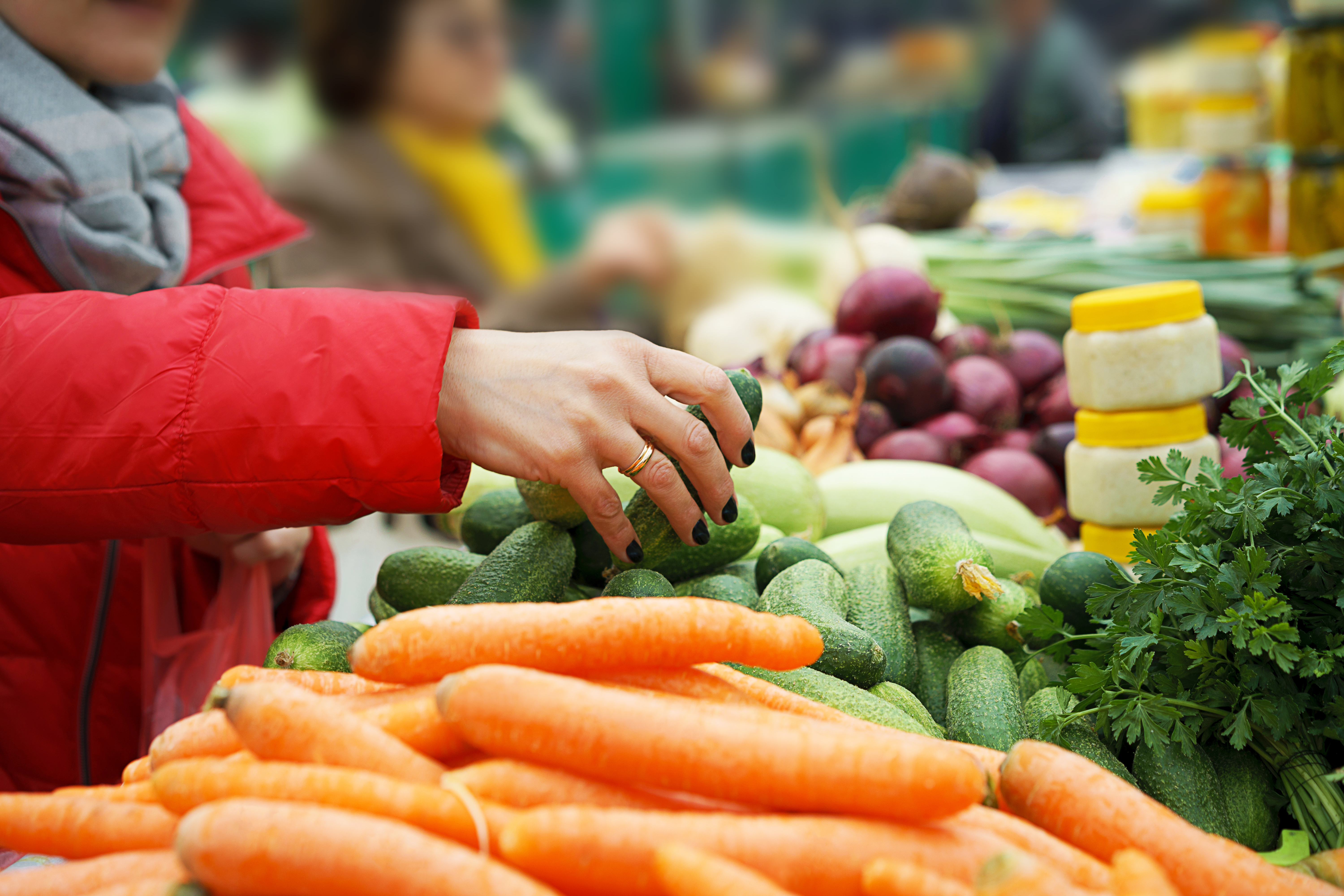
    The farmers market date is a two-part structure: you go together, you buy things, you come home and cook them. The market is where the decisions get made. The kitchen is where the evening actually happens.

    Go in the morning if the market runs on Saturday or Sunday morning — that’s when the selection is best and the energy is right. Bring a bag. Don’t bring a list. The point is to see what’s there and respond to it, not to execute a pre-planned meal. The seasonal constraint is the creative constraint: whatever looks best right now is what you’re making (budget $30–50 for two people; that’s usually enough for a proper dinner with something left over).

    Split up once you’re inside. Not dramatically — you’re not going far — but each of you takes a direction and comes back with something you found. This is where the market date has an advantage over the grocery store: the discovery is real. You don’t know what you’re going to find, so you can’t have planned for it, so when you come back together with what you’ve found there’s a genuine conversation about what to do with it.

    Talk to the vendors. Not extensively, not in a way that holds up the line, but enough to ask about something you don’t recognize or to find out what’s particularly good this week. The vendor who grew the thing is usually the best source of information about how to use it. Most farmers market vendors are happy to talk if you’re genuinely curious.

    Back home: cook together. This means both of you in the kitchen, which requires some negotiation about who does what, which is itself a kind of conversation. Put on music. Have a glass of something while you cook. The meal that comes out of this kind of evening always tastes better than it would have otherwise, partly because of the quality of what you bought and partly because of how you got it.

    Find your local equivalent

    Most mid-size and larger cities have at least one good Saturday morning market — search “farmers market” plus your city and look for ones that run year-round or at least through the full growing season. The ones associated with urban agriculture programs or local food co-ops tend to be the most interesting. USDA’s Local Food Directories database lists farmers markets by zip code if you need a starting point.

    Markets that have earned their reputation

    The Ferry Plaza Farmers Market in San Francisco runs Saturday morning and is worth visiting as a reference point. Pike Place in Seattle is the most famous but gets tourist-heavy; the smaller neighborhood markets in Seattle are often better for actual shopping. The Union Square Greenmarket in New York runs four days a week. The Findlay Market in Cincinnati is among the best in the Midwest. Look for your region’s equivalent — there’s almost always one.

    going-out  ·  staying-in  ·  any-stage  ·  morning  ·  market  ·  seasonal  ·  cooking  ·  discovery  ·  affordable  ·  two-part

  • The One-Block Walk

    The One-Block Walk

    The shortest going-out date there is. Out the door, around the block, back home. (~45 minutes, weather-permitting, any neighborhood, any stage of relationship.)

    There’s a date we’ve been doing for years that doesn’t require a reservation, doesn’t cost anything, takes less than an hour, and accounts for some of the best evenings on record. We call it the one-block walk.

    Here’s the assignment. (After dinner, before bed, somewhere around nine or nine-thirty.) You both put on shoes that are slightly nicer than slippers but lower-stakes than actual outfit shoes. Coats if it’s the season. Wallet, phone, key, that’s it. You leave the apartment. You walk one block in a direction. Then another. Then another. You come home.

    The route doesn’t matter. The point is exactly the opposite of the destination walk. You’re not going somewhere. You’re not getting something. You don’t have to come home with bread. You just walked, for forty-five minutes, in your own neighborhood, and now you’re back.

    This is, we suspect, the most underrated couple activity in America.

    What it does: it relocates the conversation. (Forty-five minutes outside, in motion, side by side rather than across a table, with the city or the suburb or the country road providing low-grade visual interest.) You will say things on a one-block walk that you would not say in your own kitchen. We don’t fully understand why this is true. Walking and talking has been understood as a form of intimacy for as long as humans have done both. The Greeks taught philosophy that way. The English have built whole novels around it. There’s something about the rhythm and the lateral attention — neither person staring directly at the other — that lets a different kind of conversation happen.

    A few rules we’ve found useful. (No phones in hand. They can stay in pockets, off, just in case. Don’t pull them out for any reason short of an emergency. The whole point is forty-five minutes uncovered by screens.) Don’t have an agenda. Don’t use the walk to “talk about something.” If you have a hard conversation pending, save it for somewhere else. The one-block walk is for the conversation that doesn’t need to happen but does, when given space.

    Pick the right hours. (After dinner is the strong choice — the food slows you down, the streets are emptier, the light is right.) In the summer, late dusk is magic. In winter, the cold is bracing in a way that makes the apartment feel better when you come back. Spring rain is fine if you have an umbrella and a sense of humor. The only weather to avoid is the kind that makes you actively uncomfortable — that turns the walk into a chore, and the date into endurance.

    Notice things together. The point is shared attention to the world, not to each other. The yellow window in the third-floor walk-up. The dog in the bay window. The new restaurant that’s almost finished construction. (Saying “look at this” to your person ten or twelve times in forty-five minutes is an underrated form of intimacy.)

    Come home. Put the keys back. The apartment will look slightly different than when you left it. So will you, slightly. You won’t be able to articulate the difference. You don’t need to.

    What we love most about this date is that it doesn’t depend on anything. Bad financial month? You can still walk. Restaurant reservations all booked? Walk. Don’t have a sitter for two hours? Forty-five minutes is enough. Tired from the week? Walking actually helps. There is no version of life that excludes the one-block walk.

    It’s the date you can have on a Tuesday for the rest of your life together.

    Find your local equivalent

    Anywhere with a sidewalk and reasonable safety after dark works. Suburban neighborhoods, small downtowns, city streets, country lanes — the format adapts. The one-block walk in a quiet suburb is a different walk than in Brooklyn, and both are good.

    A note on US neighborhoods

    Walk Score’s website rates neighborhoods on walkability. Anywhere over 70 is built for this. But honestly, almost any American street has enough to look at — porches, driveways, the silhouettes of trees against streetlights — to fill forty-five minutes. The neighborhood is less important than the practice.

    Going Out · Walking · Neighborhood · Weeknight · Weekend · Any Stage · Easy · Free

  • The Late Drive

    The Late Drive

    An hour, maybe two. No destination. The city at the speed you set.

    Leave after ten. Later is fine. You don’t need a reason beyond the specific restlessness of a night that isn’t quite over and nowhere particular to put it.

    Pick up whoever is picking up. Get in the car. Don’t plan a route. Take the road that goes toward the thing you like looking at—the elevated section of highway where the skyline shows up, the waterfront drive, the old residential stretch with the trees meeting overhead, the industrial side of a neighborhood that changes character after dark. Every city has a version of this. Find yours.

    The music matters. This is not a playlist-as-background evening. The music is half the architecture. Whatever you’ve been listening to that week—whatever is current enough that you’re still inside it—put that on and let it mix with what’s outside the window. The city and the music are one thing when this works right.

    You don’t have to talk. The car makes this easier than most situations—you’re both facing forward, the darkness moves past you, the conversation is optional in a way that doesn’t feel like silence. Talk if you want to. Let it lapse without meaning to. Pick it back up when something worth saying surfaces.

    Take a wrong turn on purpose. Go somewhere unfamiliar and then find your way back to something you recognize. The navigation is part of the evening—the feeling of mild disorientation that isn’t threatening, just different, just enough to make the familiar roads feel like a return rather than a default.

    Stop if something warrants stopping. A parking lot with a good view. A late-night food window. A bridge worth getting out and standing on for a few minutes. The drive doesn’t have to stay in the car.

    An hour out, the edges of the city start to thin. Turn back when you feel it—when the road has done enough and you’re ready for the smaller geography of wherever you’re ending up. The drive back should feel different from the drive out. It usually does.

    Park and sit in the car for a while before going in. This is underused. The transition between the drive and the night being over deserves a few minutes.

    Find your local equivalent

    Every city has a version of this route. The elevated expressway at midnight. The causeway with the water on both sides. The boulevard that cuts through the old part of town. You probably already know where it is. If not: drive toward water or height. Those tend to be the right directions after dark.

    On destination stops

    Late-night food is the natural landing point: a 24-hour diner, a taco truck that runs until two, a drive-through you don’t normally justify. The food doesn’t need to be good. It just needs to exist at the end of the drive as a reason to have turned around when you did. Some of the best versions of this evening end at a Waffle House at midnight, which is a sentence that requires no apology.

    going-out  ·  any-stage  ·  driving  ·  night  ·  city  ·  music  ·  spontaneous  ·  late-night  ·  no-plan  ·  movement

  • The Slow Hotel Sunday

    The Slow Hotel Sunday

    Checkout is at eleven. You stay until noon, or later if they let you. The whole point is the not-rushing.

    You don’t need a reason. That is the first thing to accept. You don’t need an anniversary or a birthday or a trip that happens to end on a Sunday. You need a hotel with a good bed and a checkout time you intend to ignore and a Sunday with nowhere you have to be before afternoon.

    Book it on a Friday evening for Saturday night. The price is usually lower than you expect if you’re not trying to hit a peak weekend. Find a hotel in your own city, in a neighborhood you don’t live in, and check in like you’ve traveled somewhere.

    That’s the first piece of useful fiction: pretend you’ve arrived somewhere. Unpack a little. Use the amenities without rushing. Order from room service at least once, even if it’s just coffee and something small, because the ritual of breakfast appearing in a room that isn’t yours has a particular quality that you should experience at least occasionally.

    Sunday morning is the whole thing. Sleep until seven or eight, later if you can. Let the morning expand. The bed in a good hotel does something different than the bed at home—you sleep differently when there’s nothing you’re supposed to do when you wake up, no alarm and no particular reason to be anywhere. Two hours of doing nothing on purpose is different than an hour of doing nothing by accident.

    Lie there. Read something. Talk the way you talk when you’re not performing. The hotel room on a Sunday morning is one of the least curated environments you can put a relationship in. There’s nowhere to hide and nothing to do and that’s exactly what it asks of you: just be there, unhurried, next to someone you chose.

    Get dressed slowly. Go downstairs for a proper breakfast if the hotel has one. Walk around the neighborhood for an hour. Come back or don’t—but don’t leave before you’ve earned the rest of the day.

    The checkout time is a suggestion. They’ll usually give you an extra hour if you ask nicely and the hotel isn’t at capacity. Ask nicely.

    Find your local equivalent

    You’re looking for a hotel with a real bed, a window with light, and some version of breakfast available—either in-room or in a dining room you’d actually want to eat in. Independent hotels and boutique properties tend to have more flexibility on checkout than chains. A room in the $150–250 range on a Saturday night in most mid-sized cities will get you something worth the investment. Search your own city’s neighborhoods first. The best version of this is always somewhere you already know.

    On the economics

    Split across two people, a $180 Saturday night hotel is $90 each for an experience that changes the whole texture of a weekend. Measured against dinner out, it’s comparable. Measured against what it actually does to your Sunday—how long the good feeling of it tends to last into the week—it’s usually one of the better uses of a reasonable splurge.

    going-out  ·  established  ·  splurge  ·  hotel  ·  sunday  ·  unhurried  ·  slow  ·  overnight  ·  city  ·  weekend

  • The Walk Before Dinner

    The Walk Before Dinner

    Forty-five minutes before you eat. No destination. It ends at a table.

    The reservation is made. That part is settled. You have forty-five minutes to an hour between when you leave and when you need to sit down, and you choose to walk.

    Not toward anything in particular. Pick a direction that isn’t the restaurant and go. The neighborhood adjacent to the one you’re eating in. A few blocks you’ve driven past but never been inside of. A waterfront if there is one. You’ll find the restaurant from a different angle than you would have if you’d just driven there.

    This is what the walk does: it decompresses the part of the day that came before. You left work or you left the house and neither of those places is the right state of mind for dinner. You need a transition. The walk is the transition. By the time you sit down, you’re in the room. That matters more than most people account for.

    Don’t fill it. Don’t walk with your head down scrolling through something. Look at the buildings. Look at the people. Say the obvious things: “I like that one” and “I didn’t know this street was here” and “we should remember this block.” These are the kinds of sentences that build the record of a relationship—small and specific and easy to overlook at the time.

    Walk close. Cities are loud and the sidewalk narrows and you end up closer than you would at a table. There’s something honest about moving through a place together. You find out how someone walks—their pace, whether they stop to look at things, whether they notice the same details you do or different ones. These things matter and they accumulate.

    When you’re a few blocks from the restaurant, start the transition back. Slow down. Let the conversation find a thread to pull through dinner. Don’t arrive depleted or still mid-thought about something else. Arrive ready.

    The reservation exists so the walk has somewhere to land. The walk exists so the dinner has somewhere to come from. Both are better for the other.

    Find your local equivalent

    This works anywhere there are sidewalks and a restaurant you want to get to. Park farther than you need to. Get dropped off a few blocks early. Choose the place with walking distance to something worth walking through—a good neighborhood, a park, a stretch of water. The extra fifteen minutes on foot is never the wrong call.

    Weather notes

    Light rain is fine. Cold is fine with the right coat. The walks that happen despite the conditions tend to be the ones you remember—there’s a particular quality to a city at night in November when you’re slightly cold and you know there’s a warm room waiting. Summer evenings are the easiest and the least interesting. Take the harder ones when you can.

    going-out  ·  dining  ·  any-stage  ·  walking  ·  city  ·  transition  ·  decompression  ·  pre-dinner  ·  neighborhood  ·  simple

  • The Wine Bar

    The Wine Bar

    Two hours, possibly three. Not dinner exactly — something better.

    The wine bar occupies a specific and underused niche in the date night repertoire. It is more relaxed than a restaurant and more focused than a bar. The seating is usually close. The lighting is usually right. The menu is something you can share from rather than commit to, which leaves room for the conversation to be the main event.

    Find a place that takes the list seriously without being pompous about it. The good ones have staff who will talk to you honestly about what they like and what’s drinking well right now, not just recite notes. Ask them what they’d be drinking tonight if they were sitting where you’re sitting. Order that.

    A bottle works better than by-the-glass for this kind of evening — it establishes a pace and removes the decision overhead (plan for something in the $45–80 range; the $55 bottle at a good wine bar is often as interesting as the $120 bottle at a restaurant). Natural wine programs tend to attract curious, invested staff. If the list has a thoughtful section of orange wines or unfamiliar regions, that’s usually a good sign about the rest of the cellar.

    Order things to share and don’t over-order. The point isn’t to be full when you leave. A cheese board, something cured, something with bread — enough to slow the drinking down and give your hands something to do (a good spread costs between $30 and $55 and should sustain two people through most of a bottle). If they have something fried and small, order it. Almost everything fried and small goes with almost everything.

    What makes this format work for a date is the lack of ceremony. You’re sitting close enough that you can share a glass if you want to. The noise level is usually at the good register — present enough to create atmosphere, low enough that you don’t have to raise your voice. You’re not performing dinner. You’re just there.

    Order a second pour when the bottle is done if you’re not ready to leave. Or leave. The wine bar scales in both directions.

    Find your local equivalent

    Search “natural wine bar” or “wine bar charcuterie” in your city. The good ones tend to cluster in neighborhoods with independent retail — arts districts, older commercial streets, wherever the interesting restaurants are moving. If the list is longer than two pages and organized by region rather than grape, you’ve found the right place. If they have a coravin program and a well-chosen half-bottle selection, stay a while.

    Names that come up

    Wildair and Ten Bells in New York. Bar Covell in Los Angeles. Ordinaire in Oakland. Perman Wine Selections in Chicago. Teutonic in Portland. These aren’t the only good ones — most cities have something comparable now. What you’re looking for is a room where the people behind the bar are clearly drinking the same list they’re pouring.

    dining  ·  going-out  ·  any-stage  ·  wine  ·  relaxed  ·  sharing  ·  two-hours  ·  low-key  ·  charcuterie  ·  intimate