
cocktails

  • The Living Room Cocktail Hour

    The Living Room Cocktail Hour

    Setting the room before they arrive. A small private cocktail hour, just the two of you. (~60 minutes, low light, two drinks each, nowhere to be after.)

    There’s a date we used to do early in our relationship, back when going out felt expensive and we still cared about impressing each other. We’ve done it for a decade now. It’s gotten better.

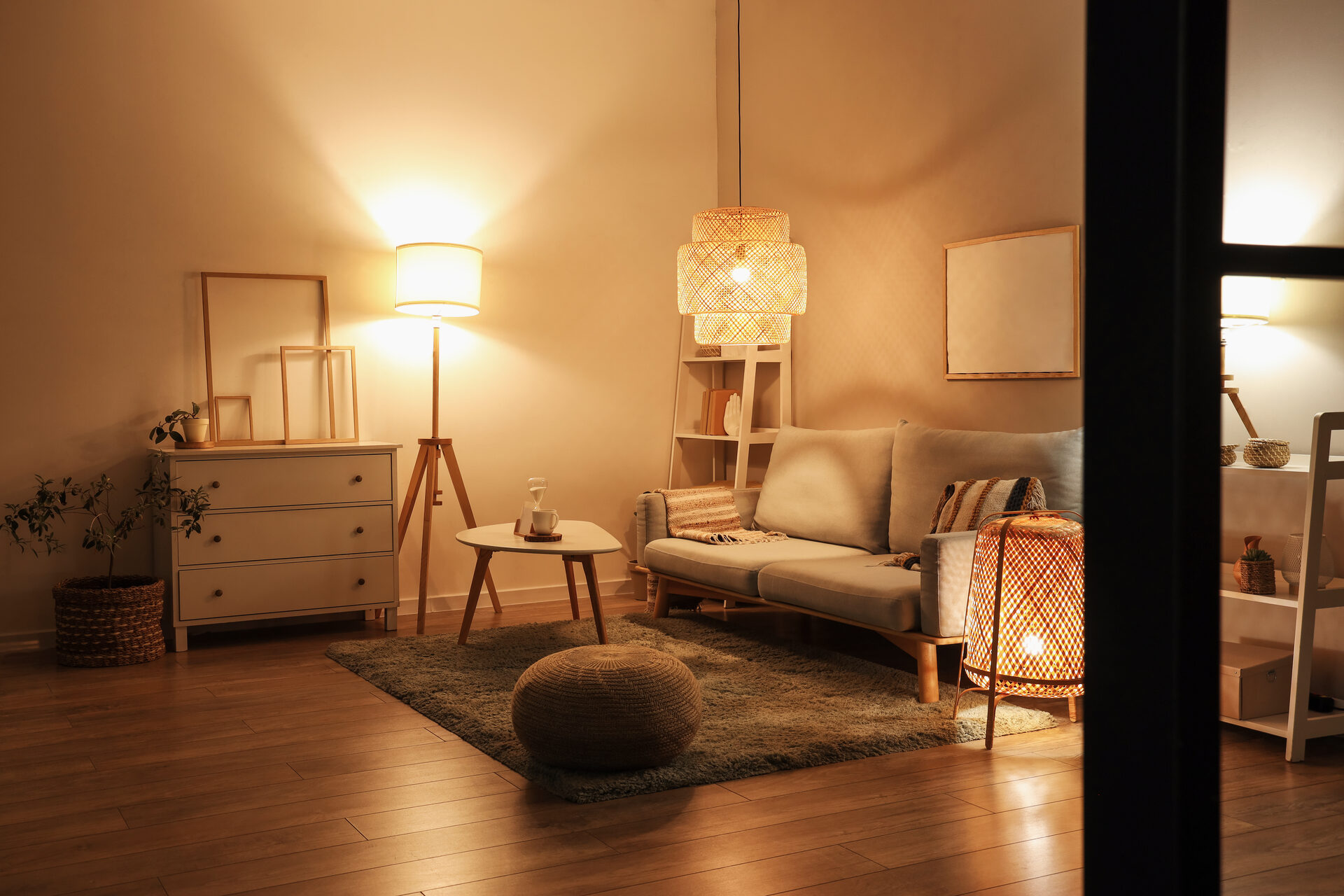
    The setup. (One of you arrives home about forty-five minutes before the other, or — if you’re already living together — one of you sets the room while the other is showering.) Lamps on, overheads off. Candles if you’re a candle person, which you should be. Music, low — something built for a room rather than a workout. (A lounge or vocal jazz playlist works. Something instrumental works too. Not the radio.) Glassware out and waiting. Ice in a small bowl on the bar cart, or the kitchen counter, or wherever you make drinks. A small dish of nuts or olives within reach. The phones are charging in another room.

    That’s the room. The whole point is that when the other person walks in (or out of the bathroom), there’s already a feeling. A small ceremony has been set up. You did it for them. They notice.

    The drinks part is the easy part. (Two cocktails each is the right number — one to begin and unwind, one to ease into.) Pick a single house drink for the evening rather than a cocktail menu. The Negroni is reliable. The Boulevardier in winter. A martini if you’ve both calibrated to it. A spritz on a summer evening. Don’t be ambitious. The whole point of a cocktail at home is that you make it the way you like it, exactly, with no negotiation. (Three-quarter ounce of this, an ounce-and-a-half of that, a stir of forty seconds, one large cube.)

    What you do for the hour is the part that gets weird if you’ve never done it. We are conditioned to fill quiet with activity. A cocktail hour at home, just two people, has no activity in it by design. You’re not watching anything. You’re not on phones. You’re not cooking yet — dinner, if there is dinner, is for after, or it’s already prepped and waiting.

    So you talk. Or you don’t. (Five or ten minutes of comfortable silence in a low-lit room with a drink in your hand is something most couples never experience, because they’ve never set up the conditions.) You can read. We’ve spent a lot of cocktail hours reading on the couch, opposite ends, books between us, drinks on the side tables, music low. That is a date. We’re not making this up.

    If you do talk, the conversation has the same quality as the slow goodnight or the one-block walk. It tends toward the small and the noticing. The plant on the windowsill is finally blooming. Somebody texted something funny earlier. The neighbor moved out. (You will be more affectionate during the cocktail hour than you have been all day. We’re still not sure why this is true. Maybe it’s the lamps.)

    Dinner can come after, or you can let the cocktail hour stretch and order in. (There’s a strong case for ordering in on a Friday and letting the hour become two — start at six-thirty, food arrives at eight, lights stay low all night.) The hour is the structure. The rest of the evening is whatever you want it to be after.

    What you’re doing, in the language of the rest of the site, is the staying-in version of the hotel bar. Same low light, same unhurried drink, same generosity of attention. You’ve just built it at home, for the two of you, with nobody else in the room.

    We can’t recommend it more.

    Find your local equivalent

    A bar cart isn’t necessary. A tray on a counter works. The minimum gear: two glasses you actually like, a single bottle of something, a citrus peeler, ice. Anything beyond that is preference.

    A note on US bottle shops

    Most American cities now have a serious wine-and-spirits shop with a knowledgeable staff. (In NYC: Astor Wines. In LA: Lincoln Fine Wines or K&L. In Chicago: Binny’s. In Boston: Gordon’s.) Tell the person behind the counter you’re trying to set up a home cocktail hour and you want one bottle of bitter, one of sweet vermouth, and one base spirit. They’ll know.

    Staying In · Cocktails · Home · Established · Comfortable · Weeknight · Weekend

    Worth Having · The Book

    Death & Co: Modern Classic Cocktails. The one that actually teaches you something. Worth keeping on the cart.

    See on Amazon →
  • The Hotel Bar as Sanctuary

    The Hotel Bar as Sanctuary

    There is a small civilization that exists at hotel bars after ten p.m., and the longer we live, the more we appreciate it.

    A hotel bar is not a bar in the local sense. The locals, mostly, are not there. The room is filled with people who are between things — between the arrival flight and the morning meeting, between the wedding upstairs and the room they have to go back to alone, between the version of themselves they’ve left at home and the one they’ll have to be tomorrow. This in-between quality is the whole point.

    We think hotel bars are sanctuaries because the social contract is different. At a regular bar, you might be performing — for friends, for someone you came with, for someone you’re hoping might come in. At a hotel bar, almost no one knows you. There’s nothing to perform. You can read. You can sit in silence. You can talk to the bartender or to the person on the next stool, and the conversation will end when one of you goes upstairs, and that ending is built in.

    The bartender at a good hotel bar is a particular kind of professional. They are not your friend. They are not trying to be. They are something better — a person who keeps time. They know when you want another and when you’ve slowed down, when you came here to be alone and when you came here to be left alone, which are not the same thing. They get the difference within five minutes. Tip them.

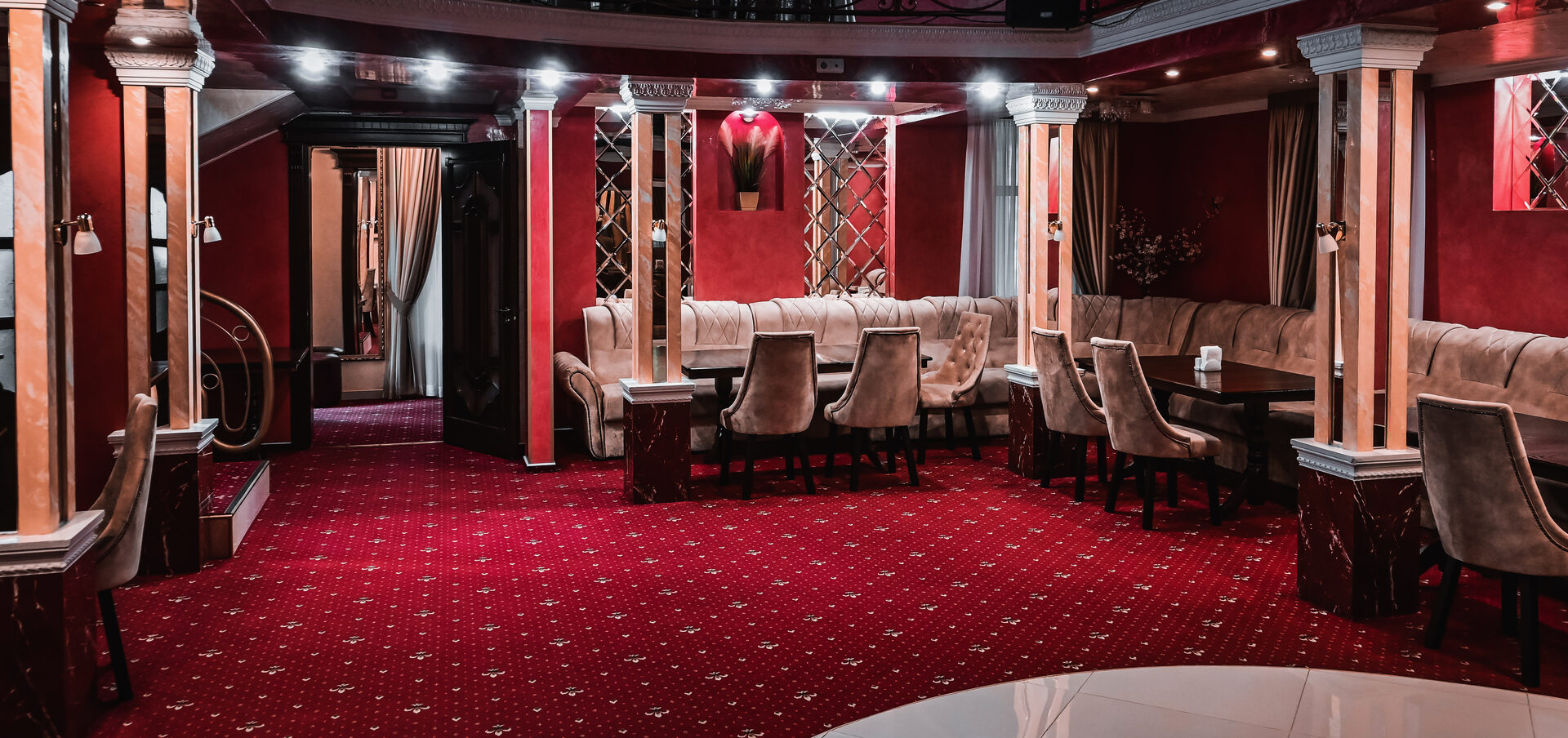
    The lighting is always low. There is no hotel bar with bright lighting, anywhere on earth, that we have ever wanted to spend a second hour in. The good ones have small lamps on the tables, brass, the bulbs the warm tungsten kind that flatter everyone over thirty-five. The room reads more or less in sepia.

    The drinks tend toward the classics, and this is correct. Hotel bars are not places for innovation. They are places for the Manhattan, the Negroni, the gin martini, the glass of red wine that comes from a bottle the bartender has uncorked twenty minutes ago for someone else. You don’t go to a hotel bar for a smoked-cardamom-something. You go for a drink that has existed for a hundred years and will exist for a hundred more, and the room is full of other people drinking those same drinks.

    What we love most is the kind of solitude available there. It’s not lonely solitude. Lonely solitude is what happens at home, alone, when the dog is asleep and the apartment feels too big. Hotel bar solitude is companionable. You’re alone, but not alone — there are others around, doing the same private thing, none of you obligated to each other. It is the most civilized version of being by yourself we know of.

    If you travel at all, you’ve experienced this. Some night in Chicago, or Boston, or a city that wasn’t on your itinerary until last Tuesday. You drop your bag in the room, you splash water on your face, you come back down to the lobby. The bar is half full. You take a stool at the corner. Someone reads the paper near the window. Two women in their fifties talk quietly two seats down. The bartender brings your drink without being asked twice. For an hour, no one asks anything of you. The day, finally, is over.

    We have spent a lot of time in these rooms. We have ended trips with one drink at the bar in the King Cole at the St. Regis, the Rose Bar at the Gramercy, the lobby bar at the Hotel Monteleone in New Orleans where the carousel goes round so slowly you can read a paragraph between rotations. None of these places needed us. We needed them.

    If we had to give a piece of advice about traveling alone, it would be this: leave time for the hotel bar. Not as a stop, but as a destination. Forty-five minutes at the end of the night, with a drink and nothing to look at. It will be the part of the trip you remember most, and you won’t be able to explain why.

    The hotel bar is a small grace built into the architecture of moving through the world. Use it.

  • The Last Word, After Hours

    The Last Word, After Hours

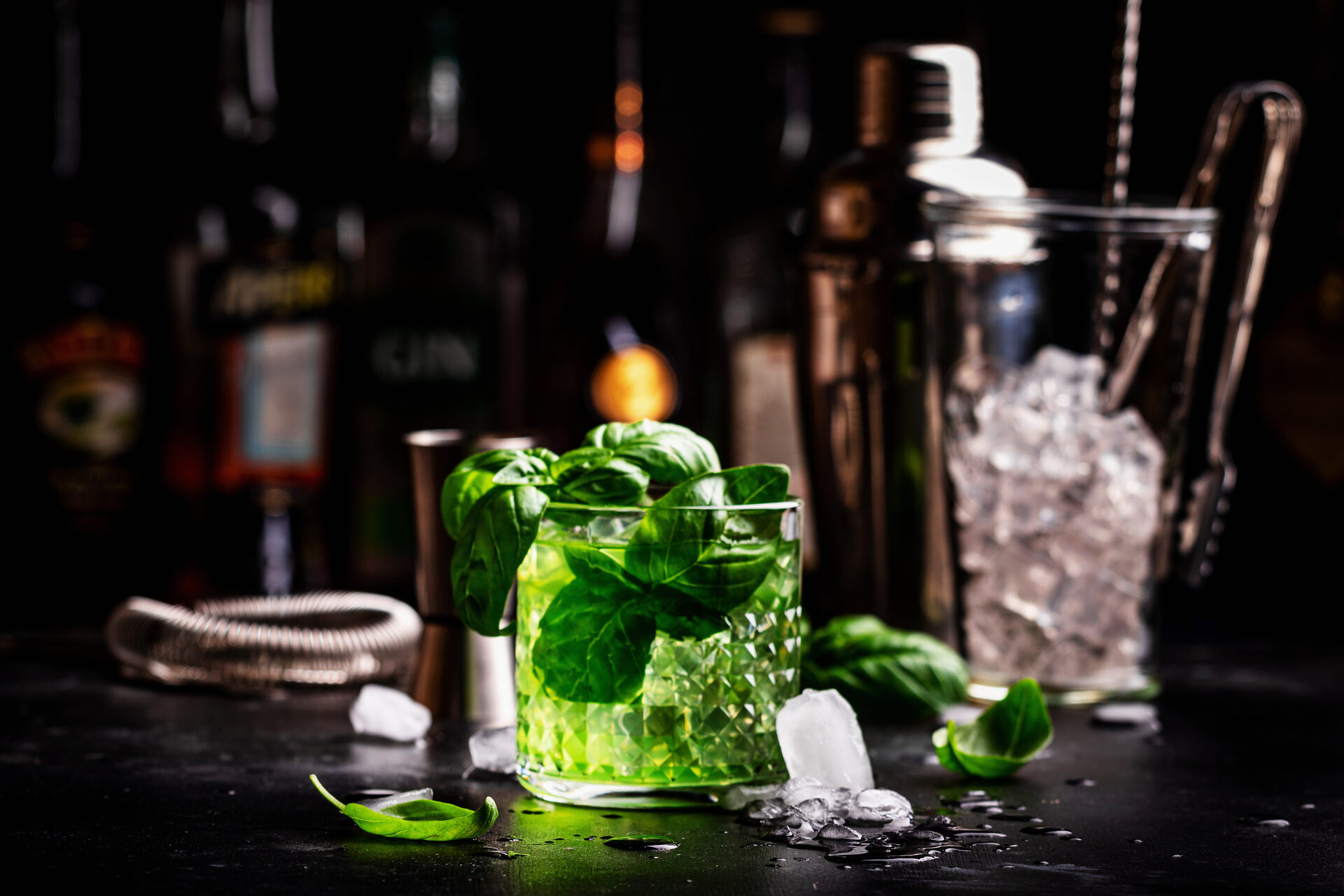
    The Last Word is one of those drinks that seems impossible until you’ve had it. Equal parts gin, green Chartreuse, maraschino liqueur, and lime juice — four ingredients of unequal personalities, balanced into something a person could either take a single sip of and never forget, or drink for an hour without growing tired.

    It was born during Prohibition at the Detroit Athletic Club, which is not where you’d expect a green herbal cocktail to find its first audience. The recipe drifted, was forgotten, came back when Murray Stenson rediscovered it at the Zig Zag Café in Seattle around 2004, and is now ordered, with a kind of casual confidence, by the people who know.

    That’s the thing about the Last Word. It’s a drink that signals something — not loudly, not by ordering it in front of others, but to yourself. You know what you’re getting. You know it’s strong. You know the green Chartreuse is going to do most of the talking. You know your evening just changed shape.

    We like it after hours specifically because it doesn’t suit dinner. Too herbal, too aromatic, too insistent. It interrupts food. But after the last plates are cleared and you’ve moved to the smaller part of the night — the part with low lights and quieter conversation — the Last Word becomes correct. It tastes like the hours when nothing more needs to be done.

    The four-equal-parts thing is its own little philosophy. Most cocktails are hierarchies. There’s a base spirit, and then modifiers, and the modifiers exist to make the base spirit interesting. The Last Word refuses that. Gin, Chartreuse, maraschino, lime — none of them is in charge. They each get exactly the same say. Whether that produces harmony or chaos depends entirely on the bartender, and on your willingness to shake it long enough for the cold to do what cold does.

    If you’re making one at home: a generous three-quarter ounce of each, hard shake with ice for about fifteen seconds (you want it almost painfully cold), strain into a small coupe, no garnish. Some people add a brandied cherry. We don’t think it needs one. The drink already has plenty to say.

    A few notes. Use a London Dry gin you actually like, not something that disappears. Beefeater works. Plymouth works. The maraschino must be Luxardo — there’s no substitute that doesn’t ruin the math. The Chartreuse will be the most expensive bottle on your shelf and it will earn its keep in other ways too. Buy it once. It lasts.

    What we’ve found, after enough Last Words to have an opinion, is that the drink rewards a specific kind of listening. You’ll taste the gin first if you’re paying attention to the gin. The lime if you’re paying attention to the lime. The Chartreuse always wins eventually, but it doesn’t bully — it waits for you to notice. There’s something about that patience that fits the late hour. Nothing’s hurrying. The drink isn’t either.

    It’s not for everyone. We’ve watched people order it once on a recommendation and never again. We’ve watched other people order it three times in a row, slowly, like they’re trying to memorize a piece of music. Both responses are correct.

    The Last Word’s name comes, supposedly, from the idea that it’s the drink you order when you’ve decided the evening is finished — the one that says everything else worth saying. We’re not sure that’s right. We think it’s more the opposite. It’s the drink you order when the evening still has some life in it, and you want to make the next hour count. When you want to taste something complicated, and to do it slowly, and to remember it tomorrow.

    After hours, the Last Word is ours. Equal parts, equal weight, equal mystery. Pour carefully. Shake hard. Drink slow.