
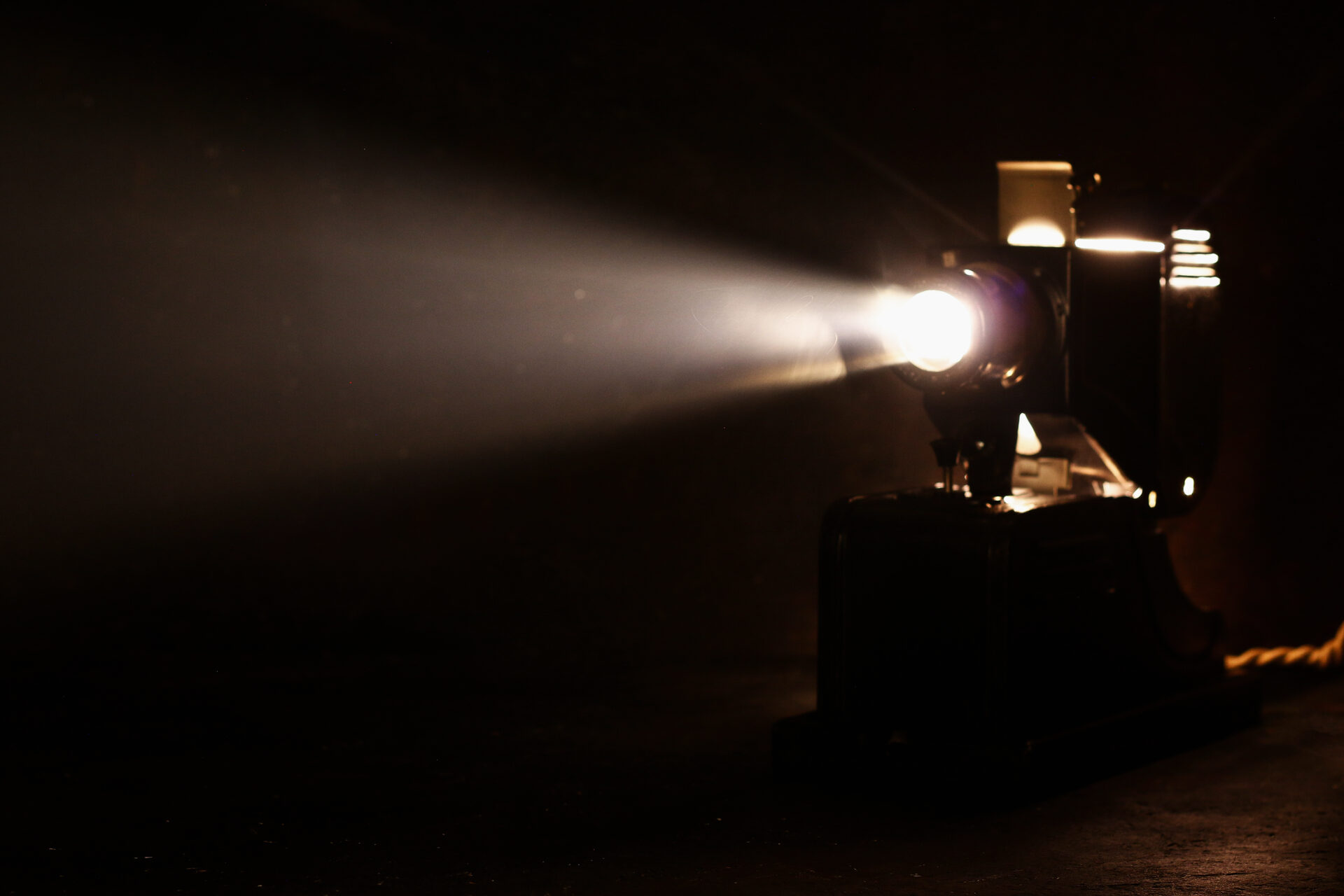
A movie night curated for patience. Five films that reward the long sit. (~2 hours per film, low-light room, the weeknight you don’t have to be anywhere.)
There’s a category of film we want more couples to know about: the slow burner. The movie that opens at a register you might mistake for ordinary, builds gradually for an hour, and then — usually in the last act, sometimes in the last five minutes — does something that recasts everything you’ve already seen.
These films are the wrong choice for a tired night. They reward attention, and tired attention is half-attention. But on a night when you’re both genuinely available (say, eight-thirty start, ninety to one-twenty minutes of run time, a glass of something that lasts the movie), the slow film is its own kind of date.
Five we’ll defend.
Past Lives (2023) — Celine Song’s first feature opens deceptively. Two children, then a long quiet middle, then a meeting in New York that lasts maybe twenty minutes of screen time. The whole movie is built around what isn’t said in those last twenty. (One hour, forty-five minutes — about right for a Sunday.) It will not knock you over in the first half hour. Stay for the second.
Phantom Thread (2017) — Paul Thomas Anderson, Daniel Day-Lewis. The movie seems to be about fashion and obsession and male temperament for most of its running time. Then there’s a scene with mushrooms and the whole frame tilts and you realize the movie has been about something else this entire time. (Two hours, ten minutes. Worth every minute.)
The Long Goodbye (1973) — Robert Altman, Elliot Gould. Looks like a shaggy detective movie, sounds like one, seems to be wandering for a long time. The last scene is one of the four or five most surprising endings in American film. (About one hour, fifty.) If you both like noir, this is the gift.
Drive My Car (2021) — Hamaguchi. Three hours, do not be afraid of three hours, the three hours are the point. (Three hours exactly. Plan for it.) The first hour is setup. The second hour is the movie reorganizing itself. The third hour is everything paying off. By the final scene you’ll feel like you’ve been somewhere.
Marriage Story (2019) — Baumbach. Funnier than its reputation. The first half is observational and warm, the second half is harder, and the very last scene is a small kindness that recontextualizes the whole movie. (Two hours, sixteen minutes. Cry if you need to.)
These are best watched without phones, without pausing for snacks halfway, without splitting attention. The deal you make is: you’re in for the duration. The movies are designed assuming you’re paying attention. Honor that and they’ll honor you.
What we love about a slow film together is what happens after. The credits roll and you don’t have anything to say yet. You sit there. One of you finally says something — usually a small observation, not a verdict. The other one builds on it. Twenty minutes later you’re still talking about it, walking around the kitchen now, putting glasses in the sink. The movie’s done its job.
Find your local equivalent
Look at the Criterion Collection, MUBI, and the streaming pages of major American directors over fifty. Avoid recent action releases for this date. The slow burn is the genre — pick anything that fits.
A note on US streaming
Past Lives rotates between streaming services — check JustWatch. Phantom Thread is on Netflix or rentable on Apple TV. The Long Goodbye lives on the Criterion Channel. Drive My Car similarly. Marriage Story is Netflix. A library card to Kanopy will get you most of the others for free.
Watching · Films · Slow Burn · Movie Night · Established · Comfortable · Weeknight
From The Scene → Past Lives →
More from Date Night
Leave a Reply