The Bar

Lifestyle, relationships, and the art of being human after dark.

  • The Paloma

    The Paloma

    Ask for a tequila drink and most bars reach for the margarita. Ask in Mexico, and as often as not you will get a Paloma — and once you have had a good one, you may never go back.

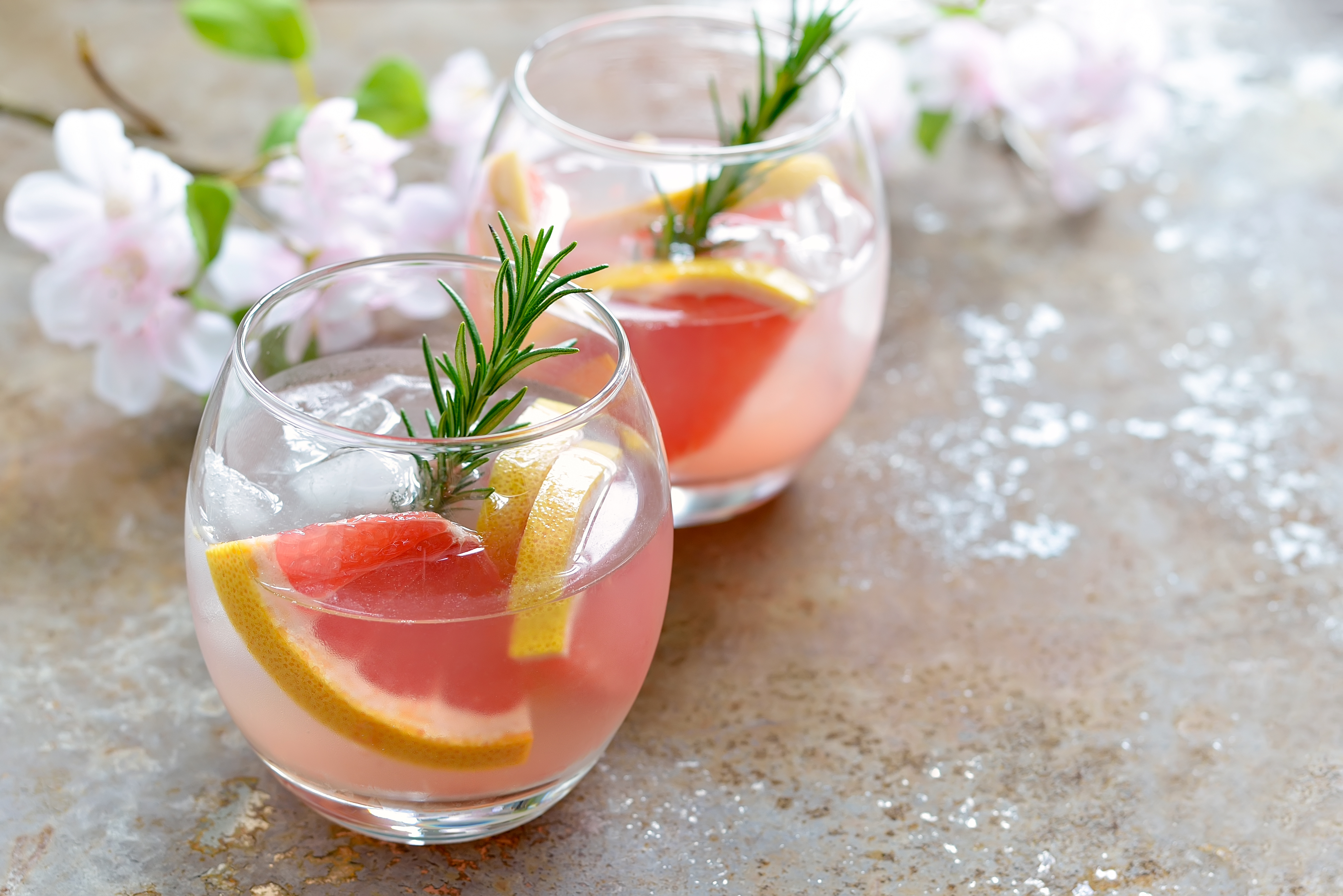
    The Paloma is simplicity itself: 2 oz tequila (blanco or reposado), the juice of half a lime, a pinch of salt, and grapefruit soda to top, built right in a tall glass over ice. The classic uses a grapefruit soda like Squirt or Jarritos; the more ambitious version uses fresh grapefruit juice with a splash of plain soda and a little sugar, which makes a brighter, less sweet drink worth the extra effort on a slow evening.

    The salt is not optional, and it is the detail most people miss. A pinch stirred into the drink — or a salted rim if you want the margarita’s theater — pulls the whole thing into focus, sharpening the grapefruit’s bitterness and the tequila’s earthiness against each other. Without it the Paloma is merely pleasant. With it, it sings.

    What makes the Paloma the better warm-weather drink is its length. Where a margarita is concentrated and serious, the Paloma is long, fizzy, and endlessly refreshing — a drink built for heat and porches and afternoons that drift into evenings. It is forgiving, too: hard to make badly, easy to make in a pitcher, the rare cocktail that improves the more casual the setting.

    Make it on the first genuinely warm night, when something tall and cold and a little bitter is the only thing that sounds right. Reposado adds a faint oaky warmth; blanco keeps it crisp. Either way, it is the drink that will make you wonder why you ever defaulted to the margarita.

    A set of tall highball glasses is all the Paloma asks for — a good set is easy to find on Amazon.

  • The Aviation

    The Aviation

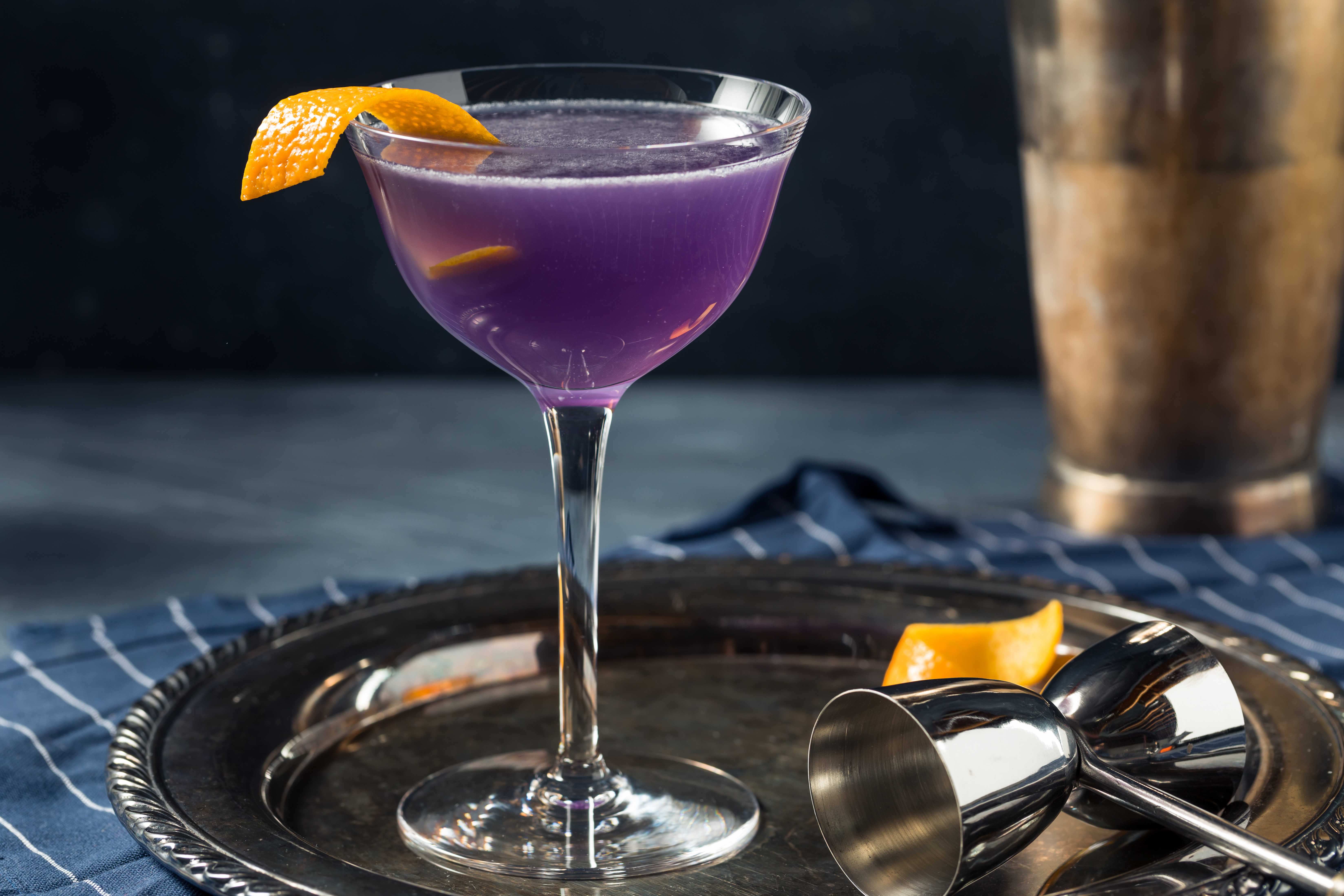
    The Aviation is a beautiful, slightly dangerous cocktail — beautiful because of its pale violet-grey color, dangerous because the ingredient that gives it that color will ruin the drink if you use a drop too much.

    The build is a gin sour with two liqueurs doing delicate work: 2 oz gin, ½ oz fresh lemon juice, ½ oz maraschino liqueur, and a scant ¼ oz crème de violette. Shake hard over ice and strain into a chilled coupe. The maraschino brings a nutty, cherry-pit sweetness; the violette brings floral perfume and that remarkable sky-at-dusk color the drink is named for.

    The violette is the whole risk. Too much and the Aviation turns soapy, perfumed in the way of a grandmother’s bathroom, and people who had a bad one never order it again. Treat it like a seasoning, not an ingredient — a quarter ounce at most, less if your bottle is potent. You want the suggestion of violets, the ghost of them, not a mouthful. Start light; you can always add a drop, but you cannot take it back.

    Get it right and the Aviation is one of the most elegant gin drinks there is — tart and floral and faintly mysterious, the color alone enough to make a table go quiet when it arrives. It is a cocktail with a sense of occasion, a little vintage, a little theatrical, named for the early romance of flight when the whole idea of leaving the ground was still glamorous.

    Make it when you want to impress without seeming to try, when the evening calls for something that looks like it was difficult even though it took ninety seconds. Just respect the violette, and it will reward you with the prettiest drink on the table.

    Crème de violette is the one bottle that makes this drink possible — you can track down a bottle on Amazon.

  • The Gimlet

    The Gimlet

    The Gimlet is proof that a great cocktail need not be complicated. Gin and lime — that is the entire drink — and yet bartenders have argued about it for a century.

    The argument is about the lime. The original Gimlet was built on lime cordial, a sweetened, preserved lime syrup carried aboard ships to keep scurvy at bay, and the classic recipe is unfussy: 2 oz gin, ½ oz lime cordial, stirred or shaken and served cold. The modern, brighter version swaps in fresh lime juice and a touch of simple syrup, trading the cordial’s slightly medicinal sweetness for sharp, living citrus.

    Both are correct, and they are not the same drink. The cordial version is rounder, a little nostalgic, faintly old-fashioned in the best way. The fresh version is electric — tart, clean, the gin standing right out front. If you have only ever had one, the most interesting thing you can do is make the other and taste them side by side.

    Whichever you build, keep it cold and keep it small. The Gimlet is not a sipper to nurse for an hour; it is a crisp, bracing drink best taken while it is still icy, in a chilled coupe, before the chill goes off it. A wheel or wedge of lime on the rim is the only garnish it wants, and arguably it wants nothing at all.

    Make it when you want gin to taste like itself — when a martini feels like too much ceremony and a tonic too much soda. The Gimlet is the gin drinker’s shorthand: direct, balanced, and finished almost before you have decided how you feel about it.

    A citrus juicer earns its drawer space the first time you compare a fresh Gimlet to a cordial one — a solid one is easy to find on Amazon.

  • The Vesper

    The Vesper

    We are, after a fashion, named for it — so forgive the partiality. But the Vesper earns its reputation on the merits, not the mythology.

    Invented on the page in 1953 and ordered into existence by readers ever since, the Vesper is a martini that refuses to choose: 3 oz gin, 1 oz vodka, ½ oz Lillet Blanc, shaken until painfully cold, strained into a deep coupe, and finished with a long thin twist of lemon peel. The gin gives it backbone, the vodka rounds the edges, and the Lillet — a lightly bitter, citrusy aperitif wine — gives it the faint golden warmth that separates it from an ordinary martini.

    Yes, shaken, despite what every purist will tell you. The original instruction was specific and unapologetic, and a Vesper shaken hard goes briefly cloudy and ferociously cold, which is the point. It is meant to arrive at the table like a small shock, beads of ice still riding the surface, and to be drunk before it warms.

    A word on the Lillet: the recipe as written called for Kina Lillet, reformulated decades ago and no longer quite the bitter thing it was. A dash of quinine or a substitute like Cocchi Americano gets you closer to the original spine. But Lillet Blanc, easy to find, makes a Vesper that is excellent on its own terms — softer, more approachable, no less elegant.

    It is a single-drink cocktail. Strong, cold, and complete, it does not invite a second so much as a long pause after the first. Make it when the evening has weight to it, when you want one perfect, serious drink rather than several easy ones. It was, after all, designed by someone who took his pleasures precisely.

    A deep, well-chilled coupe is the one piece of kit this drink truly needs — a good coupe is easy to find on Amazon.

  • The Sidecar

    The Sidecar

    The Sidecar is one of the great sour cocktails and one of the most frequently ruined, undone by bartenders who treat it as a sweet drink. It is not. It is a balancing act between sharp and round, and when it tips toward sugar it loses its nerve.

    The classic ratio leans tart: 2 oz cognac, ¾ oz orange liqueur, ¾ oz fresh lemon juice. Use a good Cointreau or curaçao, and use lemons you squeezed tonight — bottled juice will flatten the whole thing. Shake hard over ice until the tin frosts, then strain into a chilled coupe.

    The sugared rim is where people fight. Purists leave it off entirely; traditionalists insist on a half-rim, sugar on one side only, so each drinker chooses sweetness sip by sip. That compromise is, frankly, the civilized answer — it lets the drink stay bracing while offering a sweeter landing for whoever wants it. Rim half the glass, leave half bare, and let the table sort itself out.

    The drink supposedly took its name from an Army captain who arrived at his Paris bar in the sidecar of a motorcycle during the First World War, which is either true or too good to check. Either way it carries that interwar elegance — a little continental, a little louche, the kind of drink that belongs in a glass with a stem and a room with low light.

    Make it when you want something citrus-bright but more grown-up than a sour, when the night calls for cognac but not for sipping it neat. Balanced right, it is sharp enough to wake you and round enough to keep you.

    A proper coupe and a fine-mesh strainer are the only tools this drink demands — both are easy to find on Amazon.

  • The Boulevardier

    The Boulevardier

    If the Negroni is the drink of early evening — bright, bitter, brisk — the Boulevardier is what the same idea becomes after dark. Swap the gin for bourbon and the whole drink deepens, turns autumnal, settles into the chair beside you.

    The recipe is nearly the Negroni’s, with the proportions nudged to let the whiskey lead: 1½ oz bourbon, 1 oz sweet vermouth, 1 oz Campari. Some build it equal-parts; the extra half-ounce of bourbon keeps it from turning candied and gives it a spine. Stir it — never shake — over good ice for a full thirty seconds, until it is properly cold and slightly diluted, then strain into a rocks glass over one large cube or up in a coupe, as the hour suggests.

    Garnish with an orange peel, expressed over the surface so the oils catch the light, then dropped in. The orange is not optional. It is the hinge between the Campari’s bitterness and the bourbon’s sweetness, and without it the drink loses its argument.

    The Boulevardier is named for a 1920s Paris magazine and the expatriate dandy it was written for, which tells you everything about its temperament: unhurried, a little decadent, dressed for an evening that has no particular plans. It does not want to be your first drink. It wants to be your third, the one you nurse while the conversation slows and the room empties out.

    Make it when you want the comfort of a Negroni but the warmth of whiskey — when it is late enough that bright no longer suits, and you would rather something that glows.

    A heavy rocks glass and a single large-format ice mold do more for this drink than any top-shelf bottle — both are easy to find on Amazon.

  • The Negroni, One Year On

    The Negroni, One Year On

    It is worth pausing, occasionally, to notice how far a single drink can take you. Over our evenings at this bar, the negroni has quietly become a recurring guest — and following it has turned out to be a tour of an entire way of thinking about cocktails.

    Consider where the one drink has led.

    THE FAMILY, ASSEMBLED

    It began with the classic — gin, Campari, sweet vermouth, equal parts, the drink that asks for nothing else. Then the sbagliato, the happy mistake, prosecco where the gin should be. Then, glancingly, the Boulevardier — bourbon in place of gin, the negroni gone warm and autumnal. And most recently the white negroni, the bianco, the same skeleton drained pale, gentian and blanc vermouth lending it a softer, herbal light.

    Four drinks, and they are all, unmistakably, the same drink. Equal parts. A bitter element. A vermouth. Stirred, served cold, garnished with citrus. Learn the shape once and the variations are not new recipes to memorize — they are moves you can already make.

    WHY ONE DRINK TEACHES SO MUCH

    This is the real lesson of following the negroni. A cocktail is rarely a fixed, single thing. It is usually a template — a structure with swappable parts — and once you see the structure, a whole family opens up at no extra cost. We found the same with the whiskey sour and its spirit-sweet-sour cousins. The negroni simply teaches it most elegantly.

    So: make a negroni tonight, in whichever of its forms suits the hour. And taste it knowing it is not one drink but a doorway — proof of how much a single, well-built idea can hold.


    POUR — Whichever negroni fits the night. You know the whole family now.

    MOOD — Reflective. Well-versed. At home behind the bar.

  • The Negroni Bianco

    The Negroni Bianco

    We have spent a good deal of time at this bar with the negroni and its family — the classic, the sbagliato, the Boulevardier. Here is one more relative, and the most quietly elegant of them: the white negroni, the negroni bianco, the same drink with all its color drained out and something subtler left behind.

    THE SUBSTITUTION

    The classic negroni is gin, Campari, sweet vermouth — and its character is loud: bitter orange, deep red, an immediate impression. The white negroni keeps the gin and swaps the other two. In place of Campari, a French gentian aperitif — bitter, but a paler, more herbal, more mysterious bitterness. In place of sweet vermouth, a blanc or bianco vermouth — floral, soft, lightly sweet.

    The proportions stay where the negroni left them — equal parts, or close to it, stirred cold over ice. What changes is everything you taste. The aggressive citrus bitterness gives way to something that tastes of herbs and a faint, clean bitterness like grapefruit pith. The drink goes from sunset-red to pale gold.

    WHY MAKE IT PALE

    The white negroni is not better than the original — nothing in this family is better than the original. It is a different mood. Where the classic is an autumn-evening drink, confident and a little severe, the bianco is lighter on its feet, more spring than fall, more aperitif than statement.

    It is also the negroni for someone who finds Campari’s bitterness too forward. The gentian bitterness is gentler, more coaxing — a softer way into the same essential idea. Make one when you want the negroni’s structure but a quieter conversation. Stir it cold, twist a lemon over the top, and notice how familiar it feels despite tasting like nothing the red one does.


    POUR — Equal parts gin, gentian aperitif, blanc vermouth, stirred cold. Lemon twist.

    MOOD — Pale. Herbal. Quietly elegant.

  • The Manhattan

    The Manhattan

    Some cocktails are named for a person, some for an accident, some for nothing in particular. The Manhattan is named for an island, and it has carried that name with a certain confidence for well over a century — because it is, by any fair measure, one of the two or three best drinks ever assembled.

    Whiskey, sweet vermouth, a couple of dashes of bitters, stirred cold. Like its cousin the martini, it is short, spirit-forward, and built on proportion. But where the martini is cold and dry and severe, the Manhattan is warm, round, and faintly autumnal.

    THE BUILD

    The classic ratio is two parts whiskey to one part sweet vermouth, with two or three dashes of Angostura bitters. Rye is the traditional choice and the better one — its dry, spicy backbone cuts the sweetness of the vermouth and keeps the drink from going soft. Bourbon works too, rounder and gentler. The bitters are not optional; they are the seasoning that pulls the whole thing into focus.

    Stir it — never shake — over plenty of ice, until it is properly cold and has taken on a little water. Strain into a chilled glass. A brandied cherry at the bottom, and if you like, a twist of orange expressed over the top.

    THE CITY IN A GLASS

    There is a reason the drink and the island share a name and have never been embarrassed by it. The Manhattan is sophisticated without effort, classic without being dull, equally right in a grand hotel bar and a small dark booth. It is, like the place, a little formal and entirely sure of itself.

    Make one tonight — rye, good vermouth, real bitters, stirred with patience. It has been the right answer for a hundred years.


    POUR — Two parts rye, one part sweet vermouth, two dashes bitters, stirred. Cherry.

    MOOD — Warm. Classic. Sure of itself.

  • The Martini

    The Martini

    The martini is the most argued-about drink in the world, and it is worth asking why a cocktail with only two ingredients should generate so much heat. The answer is precisely that — two ingredients. There is nowhere to hide in a martini. Every choice shows.

    Gin and vermouth, cold, with a garnish. That is the whole drink. And because that is the whole drink, the proportions, the temperature, the dilution, and the garnish are not details. They are everything.

    THE ARGUMENT

    How much vermouth? The answers range from a generous pour to a whisper to, famously, none at all — at which point you are simply drinking cold gin and calling it a name. There is no settling this. The point is that the ratio is a genuine choice with a genuine consequence, and a drinker who knows their martini knows their own answer.

    Stirred, not shaken — for a clear classic martini, this is not preference but craft. Stirring chills the drink while keeping it silken and clear; shaking bruises it cloudy and aerated. Shake a daiquiri. Stir a martini. The drink tells you which it wants.

    OLIVE OR TWIST

    The garnish is the last fork in the road. An olive makes the drink faintly savory, a little earthy — a martini that leans toward dinner. A lemon twist, its oil expressed over the surface, makes it bright and clean and aromatic. They are two different drinks wearing one name. Choose deliberately.

    Make one tonight, and make every choice on purpose. The martini does not forgive a careless hand — but made with attention, it is as close to perfect as two ingredients get.


    POUR — Gin and dry vermouth, stirred cold, olive or twist. Your ratio, chosen.

    MOOD — Precise. Cold. Nothing hidden.