Staying In

Quiet evenings at home, designed with care for two.

  • The Slow Saturday Morning

    The Slow Saturday Morning

    Shape: a morning with no alarm, no plans, and nothing to leave the house for. The whole point is to not get going. Allow it to take as long as it wants.

    Not every date involves going somewhere. The slow Saturday morning is the date you have at home, in pajamas, with the explicit and protected agreement that neither of you will rush, and that the morning is allowed to take as long as it takes. In a life organized around being somewhere, an undefended morning is a small radical act, and shared, it is a kind of date.

    The rules are mostly prohibitions. No alarm. No plans booked before noon. No springing immediately into the day’s chores. The phones, if not banished, at least put aside. What is left is the morning itself, slowed almost to a stop: the coffee made properly and drunk while still hot, the second cup, the lingering in bed or on the couch, the conversation that wanders because nothing is pulling it toward a conclusion.

    Build in the small ceremonies. The good coffee, the real breakfast made without hurry, the newspaper if you still keep one, the record put on low. These are not the date; they are the scaffolding for it. The date is the unhurriedness itself — the rare experience of being with someone in a stretch of time that has no edge, no appointment waiting to clip it short. You talk, or you do not. You read in the same room. You go back to bed. The morning is permitted to be useless, and its uselessness is the gift.

    It cannot be scheduled, exactly, only protected — a Saturday you both agree in advance to leave empty, defended against the encroachment of errands and obligations. And it is among the truest tests of a relationship, because doing nothing together, comfortably, for hours, is harder and rarer than doing something. The couples who can spend a slow morning at home and want for nothing have found something that no night out can give them.

    Make It Yours

    The only real preparation is the protecting — clearing the morning in advance and guarding it. Lay in good coffee and something nice for breakfast the night before, set no alarm, and let Saturday do the rest.

  • The Handwritten Letter Evening

    The Handwritten Letter Evening

    Shape: an evening of writing, not talking. Pen, paper, a shared table, an hour of companionable silence.

    Here is a strange and lovely date that costs almost nothing: sit at the same table, each with paper and a good pen, and write each other a letter. No talking. Just the scratch of two pens and the rare, deep quiet of two people thinking hard about each other in the same room.

    The form does the work. There are things that are easier written than said — easier to put on paper than to speak across a dinner table, where a face is watching and the moment can curdle into awkwardness. A letter gives you time to find the words, to cross out the wrong ones, to say the large thing plainly because the page will not flinch. Set a loose length — a page, say — so that neither of you can hide in a single sentence or drown in five.

    Make it an occasion, not a chore. Good paper, a real pen, something to drink, music low or no music at all. The silence is the point — an hour of being in the same room, both of you bent over a page, both of you writing toward the same person. There is an intimacy to that shared quiet concentration that conversation, for all its pleasures, can never quite reach.

    Then trade. The reading is its own event — watching someone read what you wrote, watching their face change, the small mortifying wonderful vulnerability of having said something on paper that you would not have managed out loud. Keep the letters. Unlike a conversation, a letter survives. Years on, the page will still be there, in the handwriting of the person on the night they wrote it, saying the thing they meant.

    Make It Yours

    If a blank page is daunting, give it a prompt — a memory, a thank-you, a hope for the year. The constraint frees the hand. The letter need not be eloquent. It only needs to be true.

    A pen you like makes the hour easier to keep. Good stationery on Amazon.

  • The Slow Sunday In

    The Slow Sunday In

    Date Night — Staying In

    Sunday has a particular character, and it is worth protecting. It is the day the week winds down — the buffer between the rest that was and the demands that are coming. Spent badly, it fills up with errands and a slow creeping dread of Monday. Spent well, deliberately, it becomes the gentlest date of the week.

    WHY SUNDAY IN PARTICULAR

    A Saturday night out is an event — it has energy, a plan, a slight performance to it. A slow Sunday in is the opposite, and that is its whole value. It asks for nothing. There is no dressing up, no booking, no schedule. There is just a day, mostly unclaimed, and the choice to spend it unhurried beside someone.

    It is also restorative in a way an event cannot be. A slow Sunday is where a couple actually rests — together, in the same quiet, recovering from the week behind and quietly bracing for the week ahead. That shared decompression is its own form of closeness, and an underrated one.

    HOW TO SPEND IT

    Lightly, and on purpose. A long unhurried breakfast. The papers, or a book each in the same room. A walk if the day offers one. Something slow cooking for an early dinner. A record on, a film in the afternoon for no reason. And — the discipline of the day — resist letting Monday in too early. The dread can wait until the evening is genuinely over.

    It is the quietest date on this site, and a fitting place to end on. No spectacle, no plan — just a slow day, well spent, with the person you would choose to spend it with. That, in the end, is most of what this whole site has ever been recommending.


    POUR — Coffee through the morning, a negroni when the light goes gold.

    MOOD — Slow. Restored. In no hurry toward Monday.

  • The Photo Album Evening

    The Photo Album Evening

    Date Night — Staying In

    The photographs exist. Thousands of them — on a phone, on a drive, in a box in a closet, in actual albums if you are old-fashioned or lucky. And almost nobody ever looks at them. Here is a date built entirely out of that neglected archive: an evening spent going back through your own pictures, together.

    WHY IT WORKS

    Photographs are a conversation that has been waiting, sometimes for years, for someone to start it. Every image is a door — that trip, that flat, that haircut, that friend we lost touch with — and going through them with another person means every picture becomes a small story told out loud. The evening generates itself.

    It is especially good for a couple with some history. Your shared archive is also your shared past, and revisiting it is a quiet way of remembering what you have built — the early photos, the in-jokes you forgot, the slow visible change. And if the history is shorter, it works the other way: the photos are how you show each other the years before you met.

    HOW TO DO IT

    Pick a source and commit to it — one box, one old album, one year of the phone’s camera roll. Do not try to see everything. Go slowly enough to actually tell the stories; the point is the talking, not the scrolling. Pour something, get comfortable, and let one picture lead to the next.

    The film Eternal Sunshine of the Spotless Mind spends two hours arguing that even the painful memories are worth keeping. An evening with the photographs is the gentle, ordinary version of the same idea — proof, in images, that the past is worth revisiting on purpose.

    More on the film in The Scene: Eternal Sunshine of the Spotless Mind.


    POUR — Wine, and a long unhurried evening to spend it in.

    MOOD — Nostalgic. Warm. Story after story.

  • The Long Game Night

    The Long Game Night

    Date Night — Staying In

    Game night usually means a crowd — a table of friends, a party game, a lot of noise. But the game night for two is a quieter and underrated thing: one board, two players, a whole evening, and the gentle, low-stakes pleasure of playing against the person you like most.

    WHY TWO IS DIFFERENT

    A game with friends is social; a game with one other person is something closer to a conversation. There are long stretches of thinking, of watching the other person decide, of easy talk between turns. The game gives the evening a spine — a reason to be at the table — but it leaves enormous room around itself for everything else.

    Friendly competition is also, in small doses, good for a couple. It is a safe place to be a little sharp with each other, to tease, to genuinely try to win and then let it go entirely when the board is folded away. You learn things — who plots three moves ahead, who bluffs, who is a gracious loser — and you learn them while laughing.

    HOW TO DO IT

    Pick a game built for two — there are many designed specifically for it, and they are better for the purpose than a six-player game played short. Make it the whole evening, not a filler: pour something, put a record on low, settle in for a real session rather than one quick round. Best of three or five gives the night a shape and an ending.

    Keep the stakes exactly where they belong — high enough to make you try, low enough that the loser pours the winner a drink and means it. Set up the board tonight.


    POUR — A drink each, refilled by whoever lost the last round.

    MOOD — Competitive. Easy. Laughing between turns.

  • The Power Cut Evening

    The Power Cut Evening

    Date Night — Staying In

    Every so often the grid makes a decision for you. The lights go out, the screens die, the hum of the house falls silent — and what is left is an evening stripped down to candlelight and each other. It is an inconvenience. It is also, if you let it be, one of the best dates you will not have planned.

    WHY THE DARK HELPS

    A power cut removes the entire menu of distractions at once. No television, no scrolling, no half-attention. The options collapse down to talking, candlelight, and whatever you can do without electricity — and that collapse is the gift. The evening gets very simple, very fast.

    Candlelight does the rest. It softens the room, slows everyone down, and creates the kind of pooled, intimate light that restaurants spend fortunes trying to imitate. The house you know perfectly becomes, for a few hours, a slightly different and more romantic place.

    HOW TO MEET IT

    Have the makings ready before you ever need them — candles in a drawer, matches, a couple of good ones in holders. When the lights go, resist the instinct to treat it as a problem to be managed. Light the candles. Pour something. Find the cards, or do not — talking in the dark is its own activity, and a surprisingly good one.

    The power will come back. The evening it gave you does not have to end when it does — leave a candle or two burning anyway.


    POUR — Wine, or a whiskey — something that needs no electricity and no ice.

    MOOD — Candlelit. Stripped down. Quietly glad of the dark.

  • The Slow Saturday In

    The Slow Saturday In

    Date Night — Staying In

    We tend to think of the date as an event — a thing with a start time, a venue, a plan. But the most underrated date on this site has none of those. It is a whole Saturday, deliberately unplanned, spent at home with one other person and no agenda at all.

    The slow Saturday in is not the same as a lazy one. Lazy is accidental. This is chosen — the deliberate decision to let an entire day go soft and shapeless, together.

    WHY THE WHOLE DAY

    An evening date is a performance, however gentle — there is a version of you that shows up for it. A whole unplanned day does not allow for that. Somewhere around the third hour, the performance simply runs out, and what is left is the easier, truer thing: two people sharing ordinary time.

    That is the rare commodity here. Not a special evening — those are easy to arrange. A whole ordinary day, spent on purpose on each other, with the phones somewhere else and nothing on the calendar to leave for.

    HOW TO SPEND IT

    Lightly. A long breakfast that becomes lunch. A record, a book each in the same room, a film in the afternoon for no reason. A walk if the weather offers one. Cook something slow for dinner together. Resist every urge to make the day productive — productivity is the thing the slow Saturday is a holiday from.

    If you want a film for the afternoon, make it an unhurried one — something like Carol, all winter light and patience, a film that matches the pace of the day. Let the Saturday stay slow. That was always the entire point.

    More on the film in The Scene: Carol.


    POUR — Coffee in the morning, a negroni by six. Let the day set the pace.

    MOOD — Soft. Unhurried. In no danger of going anywhere.

  • The Storm Night In

    The Storm Night In

    Date Night — Staying In

    There is a particular kind of evening that the weather decides for you. The plan was to go out. Then the sky opens, and the plan quietly dissolves, and what is left is a night indoors that nobody chose — which is exactly what makes it good.

    The storm night in has no expectations attached to it. Nobody booked it. Nobody dressed for it. It is a found evening, and found things tend to be held more lightly and enjoyed more honestly than planned ones.

    WHY THE RAIN HELPS

    A storm draws a circle around the house. The world outside becomes loud and unwelcoming, and the room you are in becomes, by contrast, the warmest place there is. You are not staying in because you ran out of ideas. You are staying in because outside has been ruled out, and that small permission changes everything.

    It also slows the evening down. There is no transit, no arrival, no leaving. The night has no logistics. It is just the hours, the rain, and the person across from you.

    WHAT TO DO WITH IT

    Lean all the way in. Cook something that takes a while — the storm has given you the time. Put a record on against the sound of the rain. Leave the curtains open so you can watch it. Resist the urge to be productive; the storm has excused you from that too.

    The best evenings are often the ones the weather chose for you. Let it.


    POUR — Something warm. A hot toddy, or coffee with something in it.

    MOOD — Cocooned. Unplanned. Glad of the rain.

  • The Final Drink

    The Final Drink

    Going Out or Staying In · The close of the evening · For when leaving feels harder than it should

    There is a specific drink that exists at the end of a night — not the last drink you planned to have, but the one that arrives after the bill has been paid, or after the last train has left, or after one of you says we should probably go and neither of you moves. This is the final drink. It tastes like the evening extending past its natural length, which is its whole appeal.

    The final drink is a negotiation disguised as hospitality. Someone suggests it — usually the one who does not want the night to end — and the other person agrees because agreeing is easier than admitting that the night has already been good and more of it might be a mistake, or because they do not want it to end either. Both reasons are valid. Both lead to the same place.

    What to Order

    The final drink is not the time for experimentation. You know what you want at this point in the evening — your body has been calibrating toward it for hours. Something familiar, something that settles rather than escalates. A neat pour of something you trust: a whiskey you know, a Cognac if the evening has been that kind, the last glass of whatever you have been drinking if it was good.

    At home, the final drink is the easiest version of this: something already in the cabinet, poured simply, carried to wherever you are going to end the night. The point is the gesture, not the execution.

    What Happens After

    Usually, nothing and everything. The final drink either extends the night or closes it, and you rarely know which until it is over. Sometimes you finish it and say goodnight and that is the whole thing, perfect. Sometimes you finish it and start talking about something you have not talked about yet, and then it is very late and the night has become something else entirely.

    Either outcome is the right outcome. The final drink just means you were not ready to stop. That is not a small thing.


  • The Vinyl Hour

    The Vinyl Hour

    Staying In · Listening · Best on a night with a good speaker and nowhere to be

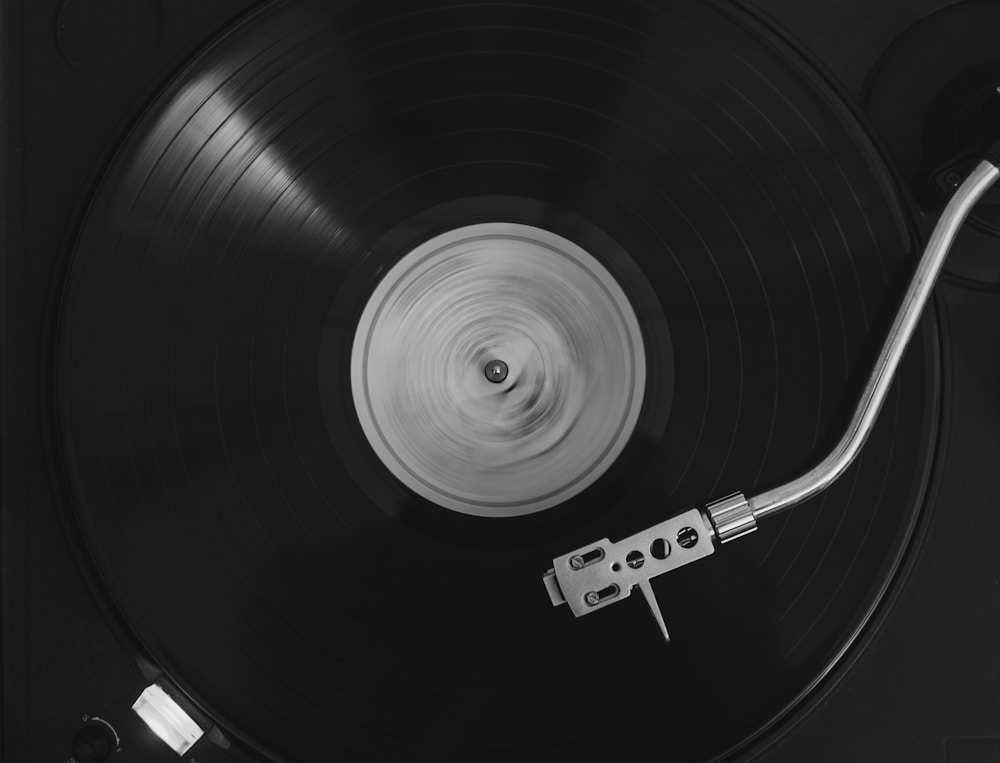
    The premise is simple: you pick one record, you play it front to back, you do not skip anything. The album was sequenced deliberately — the artist decided what came after what and why — and the least you can do is honor that for forty-five minutes. What this requires, and what makes it a date rather than just listening to music, is that both of you agree to be present for it.

    Put the phones down before you start. Not on the table face-down — in another room, or on silent in a pocket. The moment someone picks up a phone during a record is the moment the vinyl hour stops being a vinyl hour and becomes background music. These are different things.

    Choosing the Record

    Pick something you both know well enough to love but not so well that you stop hearing it. A first listen rarely works for this — there is too much attention on the novelty. The right record for a vinyl hour is one that has a little history between you and it: something you put on occasionally and always feel better for. Let the other person choose, or take turns picking sides.

    The Pour

    One drink per side of the record. Something that lasts — a slow pour of bourbon, a glass of something red that opens up over time, a cognac if the album warrants it. The vinyl hour is not the place for cocktails requiring assembly; that would break the spell. Something already in the glass, already working.

    If you want a place to start, Kind of Blue is the record this evening was designed for. Miles Davis, 1959, forty-five minutes of the most unhurried music ever made. It will not rush you.


    The record for this evening: Kind of Blue — Miles Davis, reviewed in The Scene.