
Staying In

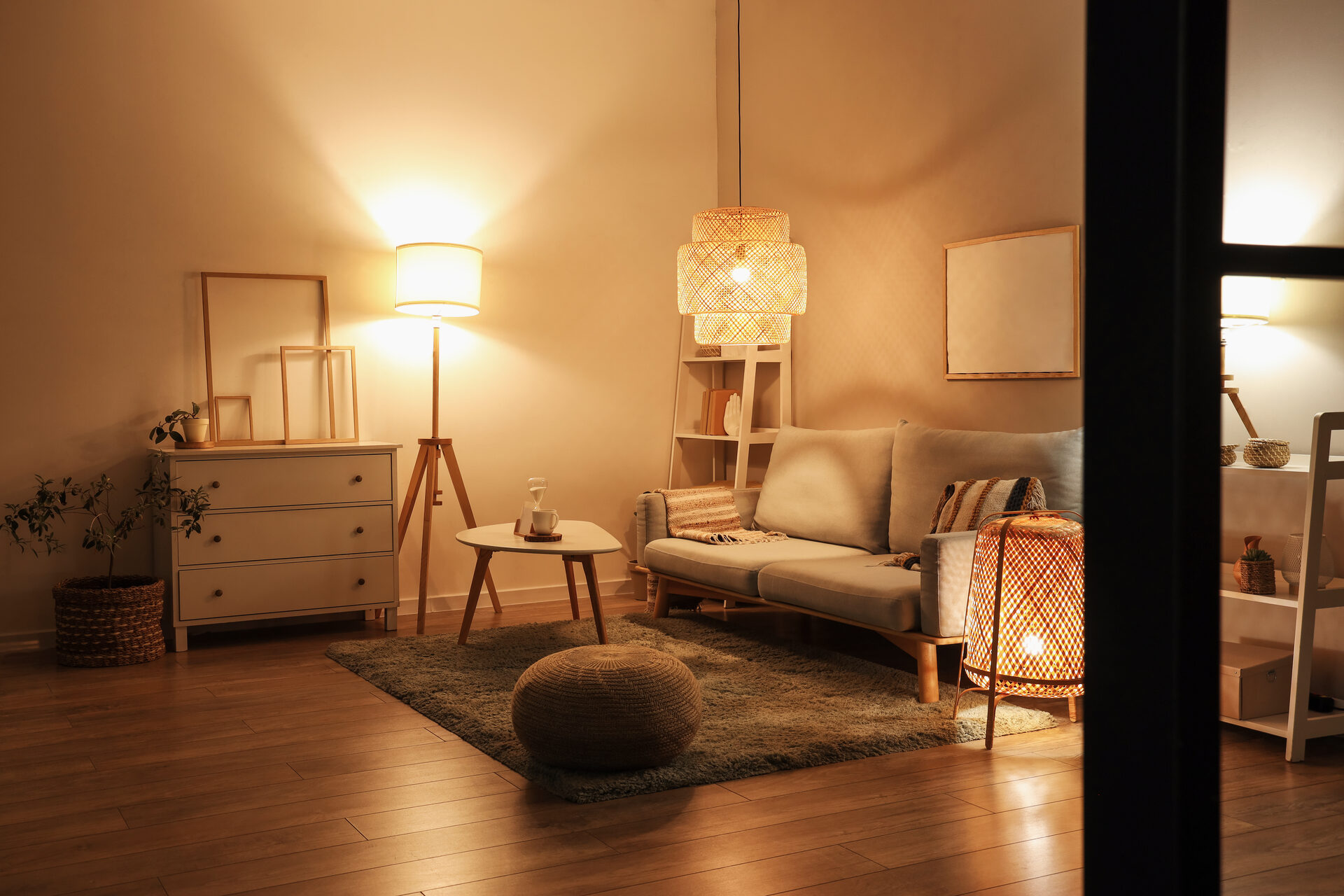
Quiet evenings at home, designed with care for two.

  • The Slow Dinner at Home

    The Slow Dinner at Home

    Staying In · Dining · For the evening that is worth taking seriously

    The slow dinner at home is not the same thing as cooking dinner. Cooking dinner is what you do on a Tuesday when you are tired and the fridge needs to be cleared. The slow dinner at home is a different animal: it is an evening that happens to involve food, where the cooking is part of the date rather than a task that precedes it.

    The distinction is in the pacing. A slow dinner at home takes at least three hours from first drink to last bite, and most of that time is not spent eating. It is spent in the kitchen while something simmers, at the counter with a glass of wine, at the table after the plates have been cleared and neither of you has moved yet. The meal is the occasion, not the point.

    How to Set It Up

    Pick something that cooks low and slow — a braise, a ragù, a roast that can sit in the oven while you do other things. The slow dinner at home requires a dish that rewards patience rather than attention, because your attention should be elsewhere. You are not performing a recipe. You are making an evening, and the food is one element of it.

    Open a bottle before you start cooking. Not a great bottle — save that for the table — but something good enough to drink while you work. Set music you will not have to think about. Clear the counter so the kitchen does not feel like a mess to manage. The environment is doing half the work here.

    The Table

    Set it properly. Candles if you have them, or just good lamp light — no overhead lighting if you can avoid it. Real glasses. Cloth napkins if they exist in your house; paper ones folded carefully if they do not. The table is a signal that this dinner is different from the usual, and the signal matters even when you both know you are at home.

    Eat slowly. Refill the glasses. Do not clear the plates the moment they are empty — let the meal breathe at the end the way a good wine does. The slow dinner at home earns its name in the last hour, when the food is gone and the conversation has moved somewhere it would not have reached if you had rushed.


    The film for this evening: Call Me by Your Name, reviewed in The Scene.

  • The Slow Morning

    The Slow Morning

    Two hours, no agenda. Nowhere to be until at least noon.

    Most mornings are functional. You wake up, you make coffee, you check your phone, you start the machinery of the day. The slow morning is a different thing. It’s the same hours but with the machinery switched off — no plans, no obligations, just the two of you and the light coming in and whatever conversation happens when there’s nothing it needs to accomplish.

    It doesn’t require preparation. That’s the point. What it requires is the discipline to not fill it. Don’t plan a brunch reservation, don’t make a list, don’t start the laundry. Wake up slowly. Make good coffee — better than usual, with more care than usual, because the ritual signals that this morning is different (a proper pour-over or French press takes ten minutes and costs almost nothing extra; it’s worth it). Bring it back to bed, or to the couch, or wherever the two of you land.

    The conversation that happens in the morning is different from the evening conversation. You’re both softer. Less edited. The day hasn’t had a chance to accumulate yet and there’s nothing to decompress from. Things come up in the slow morning that wouldn’t surface at dinner — not because the morning is more serious, but because there’s less noise around it.

    Read something if you want to. Read something and then put it down and tell the other person what you just read. Or don’t read anything. Or put on music at a volume where it’s present but not assertive. Cook breakfast together (eggs, whatever’s in the fridge, something toasted — the point isn’t the food). Eat it at the table without looking at your phone.

    The window you’re protecting is roughly two hours. Two hours where the day hasn’t started yet and you’re both still in the mode of whatever the night before was. Don’t let it collapse before it’s had a chance to breathe.

    At some point the morning shifts — one of you checks something, a thought about the day arrives, the feeling of nowhere-to-be starts to give way. That’s fine. Let it end naturally. The discipline is in protecting the beginning, not in extending it past where it wants to go.

    Find your local equivalent

    You already have everything you need. The only resource is time, and the only cost is the decision to protect it. If the morning is on a weekday and one or both of you needs to work, set the alarm for an hour earlier than usual and treat that hour as borrowed from the rest of the day. It’s worth the exchange.

    What makes it work

    The slow morning is less about what you do and more about what you don’t do. No plans. No productivity. No checking in on the world. The best version of this is one where both of you are a little surprised, an hour into it, by how much time has passed without either of you noticing. That’s the thing you’re after.

    staying-in  ·  established  ·  morning  ·  no-agenda  ·  slow  ·  coffee  ·  weekend  ·  phones-down  ·  conversation  ·  simple

    If you go the French press route, a good one lasts years. On Amazon.

  • The Farmers Market

    The Farmers Market

    Ninety minutes at the market. Dinner is the continuation.

    The farmers market date is a two-part structure: you go together, you buy things, you come home and cook them. The market is where the decisions get made. The kitchen is where the evening actually happens.

    Go in the morning if the market runs on Saturday or Sunday morning — that’s when the selection is best and the energy is right. Bring a bag. Don’t bring a list. The point is to see what’s there and respond to it, not to execute a pre-planned meal. The seasonal constraint is the creative constraint: whatever looks best right now is what you’re making (budget $30–50 for two people; that’s usually enough for a proper dinner with something left over).

    Split up once you’re inside. Not dramatically — you’re not going far — but each of you takes a direction and comes back with something you found. This is where the market date has an advantage over the grocery store: the discovery is real. You don’t know what you’re going to find, so you can’t have planned for it, so when you come back together with what you’ve found there’s a genuine conversation about what to do with it.

    Talk to the vendors. Not extensively, not in a way that holds up the line, but enough to ask about something you don’t recognize or to find out what’s particularly good this week. The vendor who grew the thing is usually the best source of information about how to use it. Most farmers market vendors are happy to talk if you’re genuinely curious.

    Back home: cook together. This means both of you in the kitchen, which requires some negotiation about who does what, which is itself a kind of conversation. Put on music. Have a glass of something while you cook. The meal that comes out of this kind of evening always tastes better than it would have otherwise, partly because of the quality of what you bought and partly because of how you got it.

    Find your local equivalent

    Most mid-size and larger cities have at least one good Saturday morning market — search “farmers market” plus your city and look for ones that run year-round or at least through the full growing season. The ones associated with urban agriculture programs or local food co-ops tend to be the most interesting. USDA’s Local Food Directories database lists farmers markets by zip code if you need a starting point.

    Markets that have earned their reputation

    The Ferry Plaza Farmers Market in San Francisco runs Saturday morning and is worth visiting as a reference point. Pike Place in Seattle is the most famous but gets tourist-heavy; the smaller neighborhood markets in Seattle are often better for actual shopping. The Union Square Greenmarket in New York runs four days a week. The Findlay Market in Cincinnati is among the best in the Midwest. Look for your region’s equivalent — there’s almost always one.

    going-out  ·  staying-in  ·  any-stage  ·  morning  ·  market  ·  seasonal  ·  cooking  ·  discovery  ·  affordable  ·  two-part

  • The Cooked-Together Dinner

    The Cooked-Together Dinner

    One hour of cooking. As long as you want for the rest.

    Cooking together is one of the more honest things you can do on a date. You’re negotiating, problem-solving, responding to each other in real time — and the outcome is something you made together that you then eat. The stakes are low enough that the mistakes don’t matter and high enough that doing it well feels like something.

    The recipe is beside the point. What matters is that it requires both of you. Avoid anything with more than four components happening simultaneously, anything that demands precise timing under pressure, and anything where one person can do all of it while the other watches from the corner. The best cook-together recipes are the ones that have natural roles: someone doing prep, someone doing the heat. Or something built in stages where you trade off. Pasta from scratch. A braised something. Dumplings, which are genuinely fun to make with company (budget $25–40 for ingredients for two; the actual cost is less than a moderate restaurant for a significantly better meal).

    Put on music at the right volume. Make a drink for each other before you start — not a complicated one, just something that marks the beginning of the cooking time as an event rather than a chore. Assign the dishes before you start rather than negotiating about them while you’re eating.

    What cooking together produces, at its best, is a kind of lateral conversation: you’re talking about the food and about what you’re doing and about the evening, all at once, without any of it being the main event. The conversation you didn’t know you needed to have often happens in the middle of chopping something. Pay attention to those moments.

    The table should be set before you start cooking. Candles if you have them. Not because it’s fancy but because the signal matters: this is an occasion, not a meal you’re eating standing at the counter. Sit down and eat what you made. Talk about whether it worked.

    Find your local equivalent

    You need a grocery store, a kitchen, and a recipe you haven’t made before. That’s the whole setup. If the prospect of cooking something new feels like too much pressure, find a cooking class — many cities have recreational cooking classes specifically designed for couples, often held in restaurant kitchens on Monday nights when they’re closed. The New York Times Cooking section and Serious Eats are the most reliable sources for recipes that work as written.

    Recipes built for two in the kitchen

    Handmade pasta with a simple sauce — the pasta takes both of you and rewards attention. Dumplings or pierogies, where the filling is one job and the folding is another. A braised short rib, which takes preparation but then mostly takes care of itself. Homemade pizza, where the assembly is communal and the result is hard to get wrong. Any recipe from Marcella Hazan’s Essentials of Classic Italian Cooking — written to be clear enough that someone who has never cooked that dish before can do it successfully.

    staying-in  ·  any-stage  ·  cooking  ·  evening  ·  collaborative  ·  dinner  ·  affordable  ·  conversation  ·  hands-on  ·  ritual

  • The Book Night

    The Book Night

    Two hours of reading. One hour of talking about it.

    The book night is not a book club. There’s no assignment, no analysis, no right answer. It is two people reading in the same room for a while and then talking about what they read — which sounds simple and turns out to be one of the more revealing things you can do with someone.

    The setup is easier than it sounds. Each person brings what they’re currently reading — or picks something new, if the current book isn’t right for company. You find comfortable positions in the same room. You put on something ambient if you want background sound (wordless music; anything with lyrics competes). You read for an hour, maybe ninety minutes, mostly in silence except for the occasional reading-aloud of a passage that demands to be shared.

    That — the reading-aloud — is where the evening starts to get interesting. When you come across something that you want the other person to hear, you read it to them. Not a summary: the actual words. They respond. Sometimes it leads somewhere, sometimes it doesn’t, and you both go back to reading. This is a particular kind of intimacy: not performing your reading for the other person, but letting them into it when something’s worth letting someone into.

    After the reading portion, make tea or pour something and talk. What are you reading and is it what you expected. What’s the best thing you’ve read recently. What did you read when you were a teenager that you think about still. What’s the last book that changed how you thought about something. These questions produce different answers than the usual conversation and the answers are worth knowing.

    The book night works best in fall and winter but honestly works in any season. What it requires is: a room without too much light, something comfortable to sit in, and the agreement that tonight you’re going to read for a while rather than watch something.

    Find your local equivalent

    You already have everything you need. A used bookstore visit beforehand adds a nice ritual — each person buys the other something to read that night, or a book they think the other person should read eventually. The purchase is a small gift. Powell’s in Portland does this well if you’re near it; every city has something comparable.

    Books that tend to surface good conversation

    Short story collections are good for this format because you can finish a piece in a sitting and then talk about it. Alice Munro, Denis Johnson, Flannery O’Connor. Essays work well too — Joan Didion, James Baldwin, David Foster Wallace. For longer-form reading, pick something where the prose itself is worth pausing over, not just the plot. The book that rewards slowing down is the book to bring to the book night.

    staying-in  ·  established  ·  evening  ·  reading  ·  quiet  ·  intimate  ·  conversation  ·  phones-down  ·  no-screens  ·  literary

  • The Living Room Cocktail Hour

    The Living Room Cocktail Hour

    Setting the room before they arrive. A small private cocktail hour, just the two of you. (~60 minutes, low light, two drinks each, nowhere to be after.)

    There’s a date we used to do early in our relationship, back when going out felt expensive and we still cared about impressing each other. We’ve done it for a decade now. It’s gotten better.

    The setup. (One of you arrives home about forty-five minutes before the other, or — if you’re already living together — one of you sets the room while the other is showering.) Lamps on, overheads off. Candles if you’re a candle person, which you should be. Music, low — something built for a room rather than a workout. (A lounge or vocal jazz playlist works. Something instrumental works too. Not the radio.) Glassware out and waiting. Ice in a small bowl on the bar cart, or the kitchen counter, or wherever you make drinks. A small dish of nuts or olives within reach. The phones are charging in another room.

    That’s the room. The whole point is that when the other person walks in (or out of the bathroom), there’s already a feeling. A small ceremony has been set up. You did it for them. They notice.

    The drinks part is the easy part. (Two cocktails each is the right number — one to begin and unwind, one to ease into.) Pick a single house drink for the evening rather than a cocktail menu. The Negroni is reliable. The Boulevardier in winter. A martini if you’ve both calibrated to it. A spritz on a summer evening. Don’t be ambitious. The whole point of a cocktail at home is that you make it the way you like it, exactly, with no negotiation. (Three-quarter ounce of this, an ounce-and-a-half of that, a stir of forty seconds, one large cube.)

    What you do for the hour is the part that gets weird if you’ve never done it. We are conditioned to fill quiet with activity. A cocktail hour at home, just two people, has no activity in it by design. You’re not watching anything. You’re not on phones. You’re not cooking yet — dinner, if there is dinner, is for after, or it’s already prepped and waiting.

    So you talk. Or you don’t. (Five or ten minutes of comfortable silence in a low-lit room with a drink in your hand is something most couples never experience, because they’ve never set up the conditions.) You can read. We’ve spent a lot of cocktail hours reading on the couch, opposite ends, books between us, drinks on the side tables, music low. That is a date. We’re not making this up.

    If you do talk, the conversation has the same quality as the slow goodnight or the one-block walk. It tends toward the small and the noticing. The plant on the windowsill is finally blooming. Somebody texted something funny earlier. The neighbor moved out. (You will be more affectionate during the cocktail hour than you have been all day. We’re still not sure why this is true. Maybe it’s the lamps.)

    Dinner can come after, or you can let the cocktail hour stretch and order in. (There’s a strong case for ordering in on a Friday and letting the hour become two — start at six-thirty, food arrives at eight, lights stay low all night.) The hour is the structure. The rest of the evening is whatever you want it to be after.

    What you’re doing, in the language of the rest of the site, is the staying-in version of the hotel bar. Same low light, same unhurried drink, same generosity of attention. You’ve just built it at home, for the two of you, with nobody else in the room.

    We can’t recommend it more.

    Find your local equivalent

    A bar cart isn’t necessary. A tray on a counter works. The minimum gear: two glasses you actually like, a single bottle of something, a citrus peeler, ice. Anything beyond that is preference.

    A note on US bottle shops

    Most American cities now have a serious wine-and-spirits shop with a knowledgeable staff. (In NYC: Astor Wines. In LA: Lincoln Fine Wines or K&L. In Chicago: Binny’s. In Boston: Gordon’s.) Tell the person behind the counter you’re trying to set up a home cocktail hour and you want one bottle of bitter, one of sweet vermouth, and one base spirit. They’ll know.

    Staying In · Cocktails · Home · Established · Comfortable · Weeknight · Weekend

    Worth Having · The Book

    Death & Co: Modern Classic Cocktails. The one that actually teaches you something. Worth keeping on the cart.

    See on Amazon →
  • The Early Night In

    The Early Night In

    Done by nine-thirty. Deliberately unhurried. An evening that ends on its own terms.

    The decision happens at five o’clock or so—you’re not going out, you’re not making plans, you’re not trying to do anything with the evening that requires effort. You’re going to be home early. You’re going to be done by nine-thirty, maybe ten. You’re going to let the evening be whatever it actually is when you stop trying to make it something.

    This is harder than it sounds. There is a persistent pressure, even on weeknights, to account for your time. To have done something with the evening that could be reported back. The early night in requires you to resist this. To treat the absence of a plan as the plan.

    Make dinner at home, something simple. Not the cooking project—not ambitious or shared-effort. Just food, made without ceremony, eaten at the table or on the couch depending on what the evening calls for. Forty minutes from kitchen to table, maybe less. Clean up while it’s still warm.

    After dinner is where the evening opens up. Read in the same room. Not necessarily the same book—separate books, same room, the specific comfort of being near someone who is also quietly occupied. This is a form of togetherness that gets undervalued. You don’t have to be talking to be together. Sometimes the best version of company is just the presence of another person, close, also doing something they like.

    Put music on low. Something that doesn’t need attention. Candles if you have them—not because it’s romantic in the performed sense, but because candlelight changes the quality of a room in a way that overhead lights don’t, and a room that feels good makes an evening that feels good.

    Around eight-thirty, one of you will probably get tired. Let that happen without pushing back against it. The early night in has a natural ending and it’s earlier than you think. Go to bed before you feel like you should. Sleep eight hours. The evening succeeded because you let it.

    The morning after a genuine early night in feels different than most mornings. You’ll notice it before you can name it. Something that was wound up got the chance to unwind. That’s the whole thing. That’s what you were after.

    Find your local equivalent

    This works in any home with two people who are willing to mean it. The only requirement is the agreement—explicit or just understood—that tonight is not being upgraded. The early night in collapses the moment someone checks their phone and starts wondering if something is happening elsewhere, or if there’s something better on. The commitment to the quietness is the whole thing. Once you make it, the evening does the rest.

    On doing nothing well

    There is a skill in being idle with someone you care about that is different from being bored with them, and it takes practice to learn the difference. The early night in is where you practice it. What you’re looking for: the specific ease of two people who don’t need to fill every minute, who trust the room enough to let it be quiet, who have learned that the best evenings don’t always announce themselves. This is one of those evenings. Let it be one.

    staying-in  ·  any-stage  ·  quiet  ·  intentional  ·  early  ·  simple  ·  rest  ·  cozy  ·  reading  ·  weeknight  ·  no-plan

    Worth Having · The Light

    A Glocusent neck reading light. Leaves both hands free, doesn’t wake anyone else. Surprisingly good.

    See on Amazon →
    Worth Having · The Candle

    Boy Smells Kush. Cedar and something that smells like a good decision. Burns clean for hours.

    See on Amazon →
  • The Cooking Project

    The Cooking Project

    Two hours, start to finish. The kitchen is the whole evening.

    Pick a recipe neither of you has made. Something with enough steps that it takes the full two hours and enough margin that a small mistake doesn’t ruin it. A braise, a from-scratch pasta, a composed dish from a cuisine you both like but don’t cook at home. The ambition is the point. You’re not making dinner—you’re making a project out of dinner, and the kitchen is where you’re spending the evening.

    Shop for it together, or split the list and meet back at the kitchen with everything. The assembling of ingredients is its own satisfying first act. Lay everything out. Read through the recipe once before you start. Decide who is doing what. This requires a conversation that is specific and practical and low-stakes, which is a useful mode to be in together.

    The kitchen while you’re cooking is loud and close and task-oriented in a way that most evenings aren’t. You’re problem-solving in real time. The garlic is browning too fast. You don’t have the right pan—improvise with the one you have. Someone made a measuring error and now you’re adjusting. These small crises are the texture of the evening, and they are genuinely fun when you’re in the right frame of mind for them, which you will be because you chose this.

    Drink while you cook. Something that goes with whatever you’re making, or whatever is open. One drink over two hours of cooking is the right pace—present enough to stay attentive, relaxed enough to not care when the first attempt at the sauce doesn’t come together and you have to start over.

    Talk while your hands are busy. The kitchen is one of the best places for conversation because you’re both looking at the same thing—the cutting board, the pot, the pan—instead of each other, and that takes the pressure off. Subjects that might feel confrontational at a table feel easier when you’re both focused on the same task.

    Eat it at the table, which you’ve set properly. You made something ambitious. The table should say so.

    The cleanup is part of the evening. Do it together before the kitchen dries into something you’ll resent in the morning. Twenty minutes of dishwashing while the conversation continues. By the time it’s done, the whole evening has a shape: you made something, you ate it, you cleaned up after yourselves. There’s a domestic satisfaction in that sequence that’s worth cultivating.

    Find your local equivalent

    You need: a recipe rated as intermediate or above, at least four distinct steps, and ingredients you have to specifically go out for. The recipes that work for this format have a process you can share—things to chop while things are simmering, layers that build. NYT Cooking, Smitten Kitchen, and Serious Eats all have good candidates at every skill level. Pick something that sounds like something you’d order in a restaurant you love.

    On the failure scenario

    Sometimes it doesn’t come out right. Underseasoned, overcooked, the texture off in a way that’s hard to fix at the table. That’s fine. Order pizza. Laugh about it. The cooking project that fails is still the cooking project—you spent two hours doing something together in a small space and made something imperfect and ate it anyway. That is its own category of good evening, and it gives you a story that the successful dinners don’t.

    staying-in  ·  any-stage  ·  cooking  ·  ambitious  ·  kitchen  ·  collaborative  ·  hands-on  ·  two-hours  ·  domestic  ·  dinner

    Worth Having · The Pan

    A Lodge 12-inch cast iron. Holds heat the way nothing else does. The kind of pan that only gets better.

    See on Amazon →
    Worth Having · The Knife

    A Wüsthof Classic 8-inch chef’s knife. Heavy enough to mean it, sharp enough to matter.

    See on Amazon →

    Two cooks, one board — a decent knife earns its keep. Find one on Amazon.

  • The Reset Evening

    The Reset Evening

    Two hours of being easy on each other. No agenda. Nothing to fix tonight.

    Something has been off. Not broken—nothing so dramatic. Just off. The week had too much in it. A conversation landed wrong and neither of you got back to it. The small accumulation of miscommunication and missed moments that happens when two people are tired and moving fast and not quite in sync.

    The reset evening is not a repair conversation. Do not plan one. This is the thing people get wrong: they take an evening that could be restorative and turn it into a scheduled negotiation, which makes everything worse and makes the couch feel like a deposition.

    The goal tonight is simpler. Be in the same room. Be easy. Let the accumulated friction dissipate on its own, the way it usually does when you stop trying to address it directly and just give it space to move through.

    Order food that requires no effort. Something warm, something familiar, something that one of you likes enough that it’s a small kindness to suggest it. Eat on the couch if you want to. Change into comfortable clothes. These are not concessions—they are the point. You are reducing the requirements of the evening until what’s left is just the two of you without the performance layer.

    Put something on—music, a show you’ve both already seen, anything that fills the room without demanding your attention. The background is doing work you’re not aware of. Shared attention, even passive shared attention, is connective. By the end of the second episode you’ll have forgotten what the friction was about, which is usually when it actually resolves.

    Don’t try to talk about it. If it comes up on its own, let it—briefly, honestly, without turning it into the thing you meant not to have tonight. If it doesn’t come up, that’s fine too. Some things don’t need to be processed. They just need time and proximity and two people choosing to be generous with each other for a few hours.

    Somewhere around ten, the room will have settled. You’ll both feel it—the specific easing of something that was held too tightly. That’s what you came for. Don’t name it. Just let it be there.

    Find your local equivalent

    The reset evening works anywhere with a couch, delivery options, and the agreement—stated or implied—that tonight is not the night for solving anything. The most important element is the permission structure: you both have to mean the low-key. Half-commitment doesn’t work. One person being easy while the other is waiting for an opening will unravel the whole thing. Either both of you are here for this or neither of you is.

    On knowing when you need it

    The signal is usually when making plans feels like effort. When you’d rather not go out but you also don’t want to just sit there feeling like you’re not doing anything. That specific in-between feeling is the reset evening recognizing itself. Don’t book a restaurant. Order the food. Put the good blanket on the couch. Give the evening room to do what it’s actually good at.

    staying-in  ·  repair  ·  any-stage  ·  quiet  ·  reset  ·  intentional  ·  cozy  ·  low-key  ·  reconnect  ·  weeknight

    Worth Having · The Candle

    Voluspa Makassar Ebony and Cream. Dark, warm, not sweet. The kind of scent that makes a room feel intentional.

    See on Amazon →
    Worth Having · The Blanket

    A Barefoot Dreams CozyChic throw. Embarrassingly soft. Worth every penny.

    See on Amazon →