Live

Performance, concert, theater, and the room it happens in.

  • The Köln Concert

    The Köln Concert

    The story of The Köln Concert is almost too good: the most beloved solo piano recording ever made was improvised in a single evening, on the wrong piano, by an exhausted and furious man who nearly walked out.

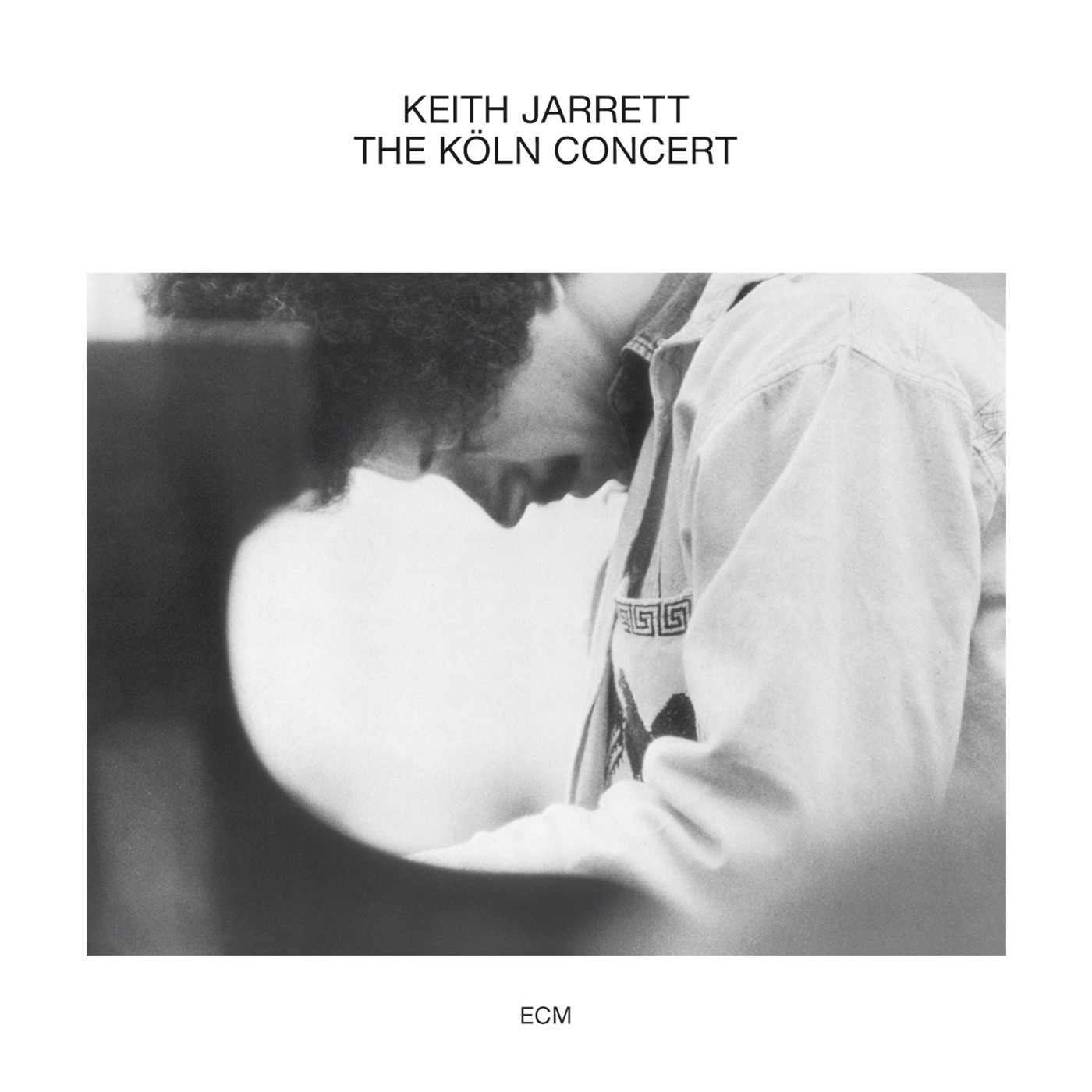
    In January 1975, Keith Jarrett arrived at the Cologne Opera House for a late-night concert to find that the piano provided was not the concert grand he had requested but a small, poorly maintained rehearsal instrument — tinny in the upper register, weak in the bass, with sticky pedals. He had not slept, had barely eaten, and was in pain. By all accounts he agreed to play only because the young promoter had worked so hard, and because the recording equipment was already set up. Then he sat down and improvised, from nothing, one of the masterpieces of the century.

    You can hear the broken piano shape the music. Jarrett, avoiding the dead high notes and the muddy low ones, stays largely in the middle of the instrument and builds his improvisation from insistent, rolling left-hand figures and gorgeous, gospel-tinged melodies in the right. The limitation became the style. The famous opening — those repeated descending chords, reportedly mimicking the opera house’s intermission bell — unfurls into nearly half an hour of continuous invention that sounds composed, inevitable, and utterly alive.

    What moves people about the record is its sense of discovery happening in real time. This is not a performance of something already written; it is the act of creation, captured. You hear Jarrett find a phrase, test it, fall in love with it, ride it until it opens into the next thing. His audible vocalizations — the moans and hums that infuriate some listeners — are the sound of a man so deep inside the music that he has forgotten he can be heard. The mistakes, such as they are, are part of it. It is improvisation as high-wire act, and the wire holds.

    It became the best-selling solo piano album in history, and the best-selling piano recording in jazz, which is its own kind of miracle for a wholly improvised work. Put it on alone, late, with no other task. The Köln Concert is the sound of someone making something beautiful out of exactly the wrong circumstances — which may be the most hopeful thing music can do.

    A performance you put on with intention belongs on a record. Available on vinyl.
  • MTV Unplugged in New York — Nirvana

    MTV Unplugged in New York — Nirvana

    The Scene — Live

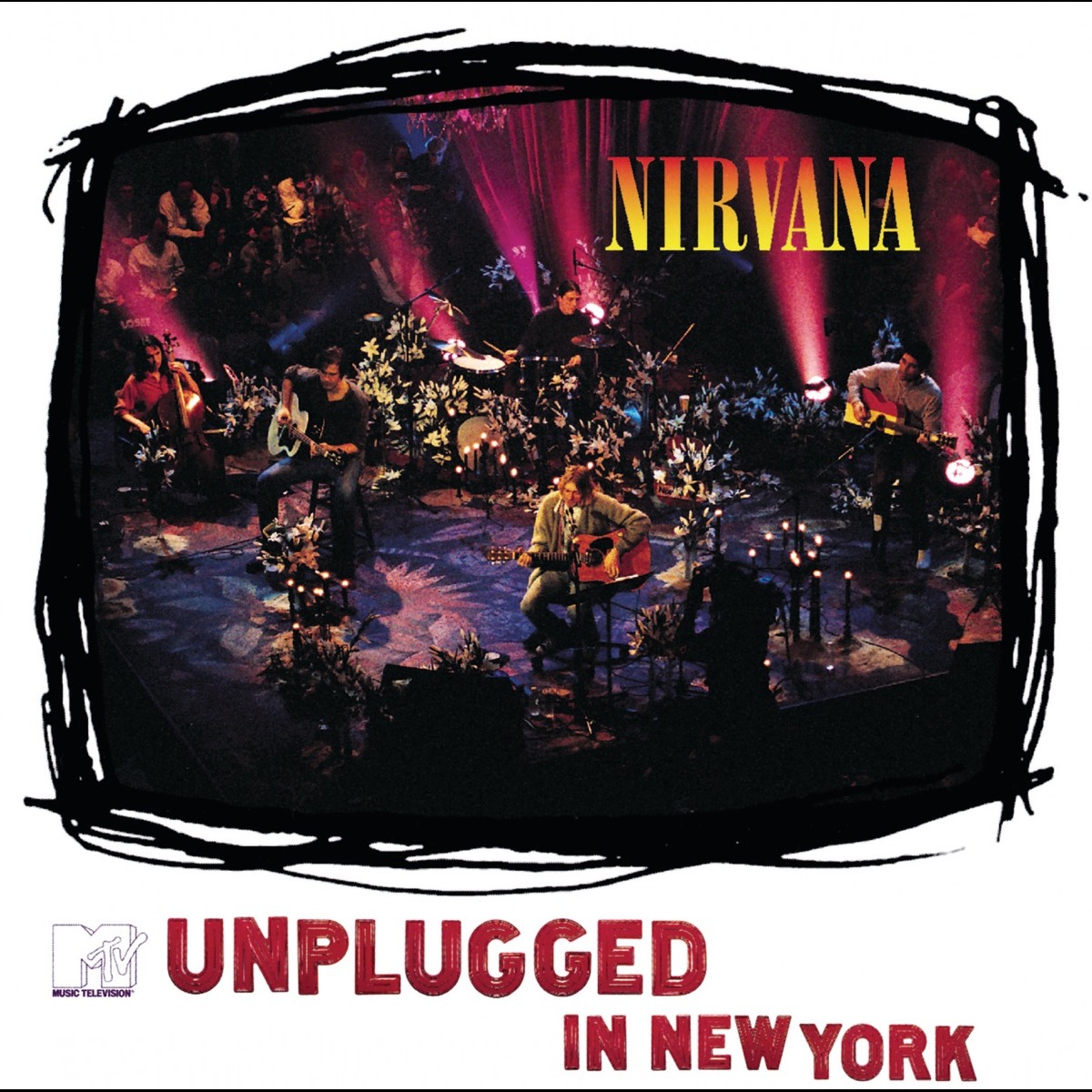
    Most live albums show you a band doing the thing they are known for, bigger and hotter than the studio. MTV Unplugged in New York does the opposite. It shows the loudest, most abrasive band of its moment setting all of that down — the distortion, the volume, the armor — and playing quietly, in one room, on one autumn evening in 1993.

    What is left when the noise is gone is the surprise of the record. Stripped to acoustic guitars and a small set of strings, Nirvana’s songs turn out to be, underneath, beautifully built and deeply sad — and Kurt Cobain’s voice, with nothing to push against, is revealed as one of the most expressive instruments in rock.

    WHAT IT GETS RIGHT

    The set list is its own act of defiance. A band at the height of its fame was expected to play the hits; instead Nirvana filled the evening with obscure covers and deep cuts, leaning hard on songs by others — the Vaselines, David Bowie, Lead Belly. It reframed the band not as anthem-makers but as fans, curators, part of a longer folk lineage than the noise ever suggested.

    The staging matched it. The set was famously dressed with lilies and candles — Cobain reportedly asked it to look like a funeral. Whatever the intent, the room has a hush and a weight, and the band plays into it rather than against it. There is no coasting here. Every song is performed like it matters.

    THE ROOM, AND THE QUIET

    It is impossible, now, to hear this record outside of what came after — Cobain died a few months later, and the album became, against anyone’s wishes, an accidental farewell. The closing cover, raw and harrowing, has been heard as an ending ever since. That is hindsight, and it is unfair to the record, and it is also simply true: the quiet on this album has never stopped sounding like more than quiet.

    Put it on late, low, and hear a loud band discover how much they could say without raising their voice. One of the great live recordings, by any measure.

    For an evening to match its stillness, our Date Night guide: The Quiet Film.


    POUR — Something neat and contemplative. The record earns the stillness.

    MOOD — Hushed. Stripped bare. Heavier than it looks.

    An album worth hearing in full. Find it on vinyl.

  • At Folsom Prison — Johnny Cash

    At Folsom Prison — Johnny Cash

    The Scene — Live

    A great live album captures a performance. At Folsom Prison captures something rarer — a room, a specific and extraordinary room, and the exact, charged understanding between a singer and the only audience he ever sounded entirely at home with.

    In January 1968, Johnny Cash walked into Folsom State Prison in California and played two shows for the inmates. Columbia recorded them. The resulting album revived a career that had been fading and became, by common agreement, one of the greatest live records ever made — and the greatest in country music, without much argument.

    WHAT IT GETS RIGHT

    It is the audience that makes it. Cash chose his set with deliberate, dark wit for the men in front of him — songs about prison, about trains heard from a cell, about men who did wrong and paid for it. And the inmates respond in real time, cheering at the hard lines, and you can hear Cash feed on it. The performance and the room are a single thing; neither would be the same alone.

    Cash sounds, here, entirely without performance. He is not playing the rebel for a paying crowd. He is among men he plainly regards as his people, singing their lives back to them, and the honesty of that exchange runs through every track. The famous opening — the flat, certain way he names himself — is a handshake with the room.

    THE ROOM ON THE RECORD

    This is what the best live albums do: they make the room permanent. Listen to At Folsom Prison and you are not just hearing Johnny Cash in 1968 — you are hearing Folsom in 1968, the cheers and the tension and the strange communion of it, kept exactly.

    Put it on loud. Few records have ever captured a place and a moment this completely, or this honestly.

    Make an evening of it with our Date Night guide: The Documentary Night.


    POUR — Black coffee, strong. Or whiskey. Cash would allow either.

    MOOD — Stark. Electric. Honest as a closing door.

    An album worth hearing in full. Find it on vinyl.

  • The Last Waltz

    The Last Waltz

    The Scene — Live

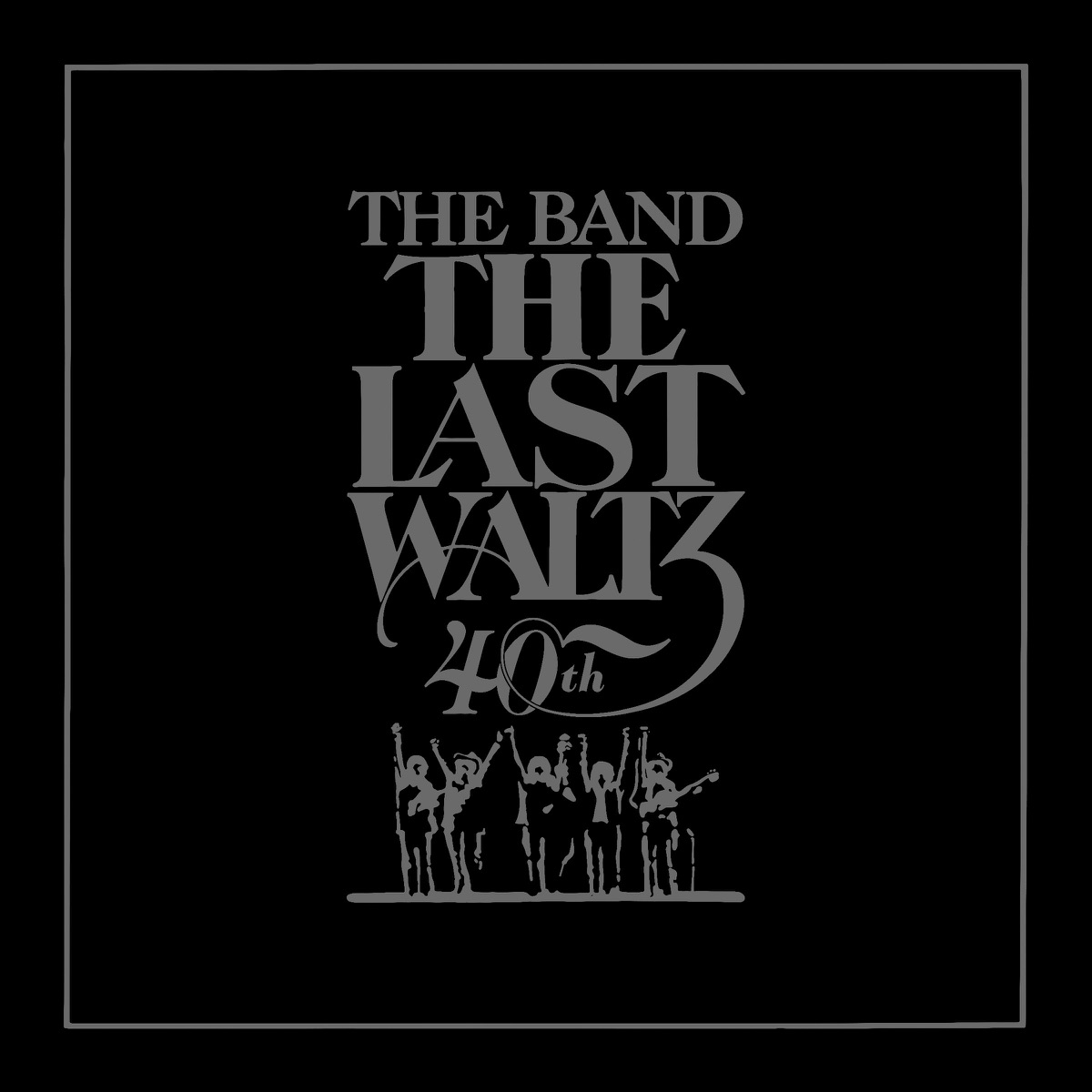
    Most concert films try to put you in the crowd. The Last Waltz does something rarer — it puts you on the stage, in the wings, in the room where a band is knowingly playing its final show, and it treats that ending as the subject rather than the occasion.

    On Thanksgiving 1976, The Band played its farewell concert in San Francisco. Martin Scorsese filmed it — not with the usual handheld chaos, but with real cameras, real lighting, a shot list. The result, released in 1978, is widely held to be the finest concert film ever made, and the claim is hard to argue with.

    WHAT IT GETS RIGHT

    Scorsese understood that a farewell concert is not really about the songs. It is about the weight under them. So the film keeps cutting away from the stage to the band in conversation — tired, funny, a little haunted, talking about sixteen years on the road. By the time they play, you know what the ending costs them, and every song carries it.

    And the songs are extraordinary. A parade of guests — the film is generous with them — but the heart of it is The Band themselves, playing with the particular looseness of musicians who have nothing left to prove and one last night to prove it anyway.

    THE SHOW YOU KEEP

    What lingers is the mood: celebratory and elegiac at once, a party that everyone in the room knows is also a funeral. The Last Waltz captures the exact double feeling of a great last night — the joy fully present, the ending fully felt, neither one cancelling the other.

    Watch it loud, late, with the lights down. It is the closest a film has come to keeping a live show forever.

    Make a night of it with our Date Night guide: The Concert Film Night.


    POUR — Whiskey, neat. It is that kind of night.

    MOOD — Elegiac. Celebratory. Both at full volume.

    Worth owning, not just streaming. Find it on Blu-ray.

  • Stop Making Sense

    Stop Making Sense

    1984  ·  PG  ·  Concert Film

    The best argument for going — even when you almost didn’t.

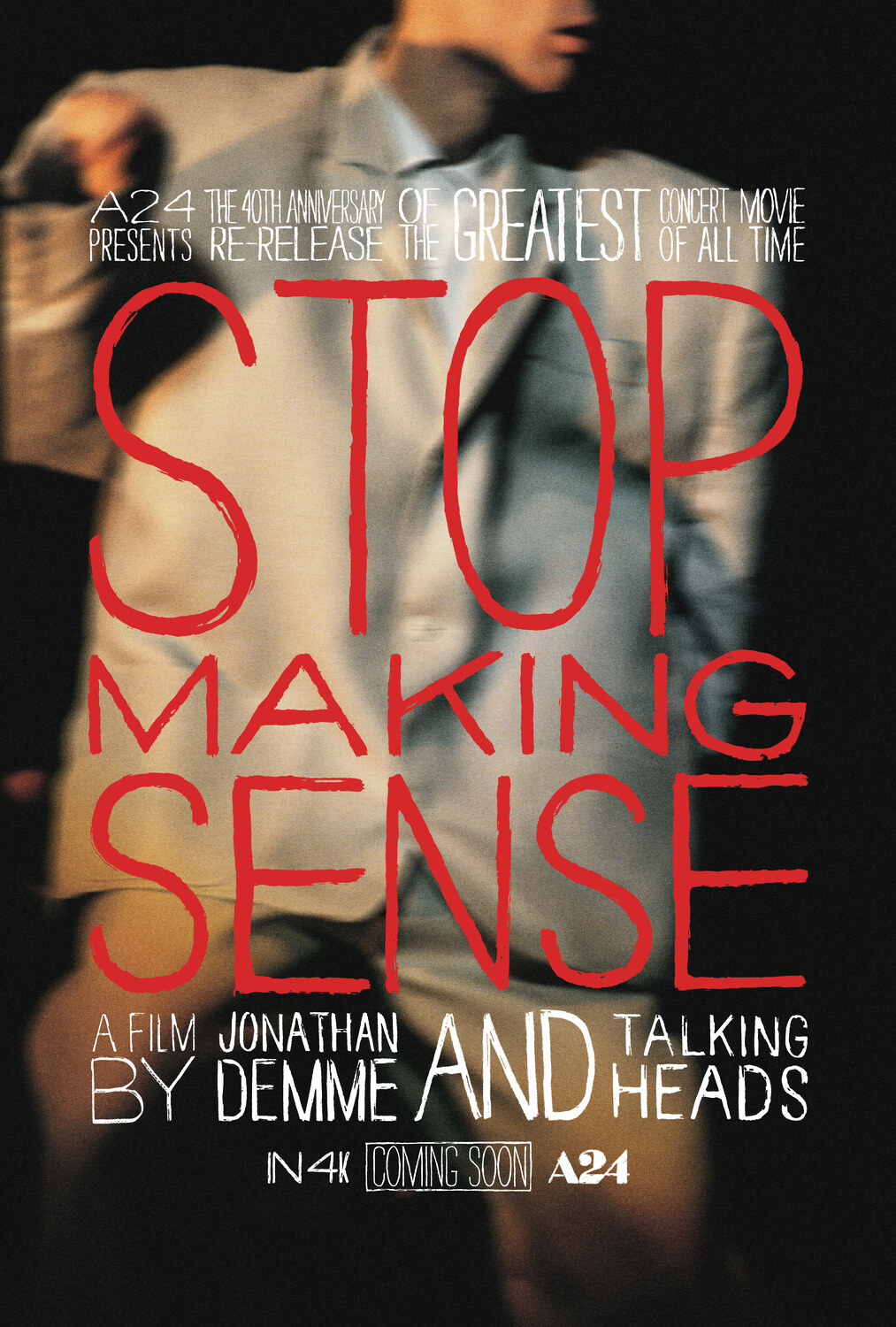
    Jonathan Demme’s film of the Talking Heads’ 1983 Stop Making Sense tour is the concert film against which all others are measured, and most do not measure up. It begins with David Byrne alone on stage with an acoustic guitar and a boom box, playing Psycho Killer to a nearly empty set. Over the next hour and forty minutes, the band assembles around him piece by piece — bass, drums, keyboards, backing singers, full percussion — until the stage is full and the sound is enormous. The structure is a piece of theatre as much as a documentary, and Demme understood that the best way to film a concert is to let the performance be the film. No cutaways to the audience. No interviews. Just the stage, the light, and one of the great live bands at the height of their powers.

    Watch it the way you would attend the concert — with the volume up and nowhere to be afterward. It is ninety-nine minutes long and does not feel it. Byrne’s big suit, the choreography of Heaven, the escalating joy of Girlfriend Is Better — these are things that improve with a second viewing and a good room. Best shared, though it works alone. It has the specific quality of making you feel that you were there, and also that being there would have been one of the better evenings of your life. Which is exactly what a concert film should do.


    VERDICT  ·  The concert film. Full stop.

    POUR  ·  Whatever you would have bought at the bar. Cold beer is correct here.


    Planning an evening around this? The Concert You Almost Skipped →

    Find the Record

    Stop Making Sense on vinyl — or the restored film if you haven’t seen it on a proper screen.

    See on Amazon →

    Some films belong on the shelf. Find it on Blu-ray.