Dining

Going out, staying in — the meal as the evening.

  • The Cheese Board Night

    The Cheese Board Night

    Shape: one generous board, assembled not cooked, grazed slowly over a long evening. No stove required.

    Some nights you do not want to cook, but takeout feels like a small surrender. The cheese board is the answer — a meal you build rather than make, that asks for a sharp knife and a trip to a good counter and nothing more, and that turns grazing into an event.

    Build it for contrast. The rule of a good board is range: something soft, something hard, something blue, and then the supporting cast — the honey, the dried fruit, the cured meat, the nuts, the good bread or the plain crackers that let the cheese do the talking. You are not feeding a crowd. You are giving two people a landscape to wander, a dozen small decisions to make together over the course of an evening.

    The pleasure is in the pacing. A board does not get served and finished; it sits between you and gets returned to, the conversation circling back to it, a new combination discovered an hour in. Pour something that wants company — a bottle of red, or a crisp white, or the beer that quietly outperforms wine with a strong cheese. There is no order of operations. That is the freedom of it.

    Let it be the whole night. The mistake is treating the board as a prelude to a real dinner. Build it big enough to be the dinner, set it somewhere comfortable — the coffee table, the floor, the bed if you are that kind of evening — and graze until you are done. A cheese board eaten slowly, with someone you like, with a bottle and no plans, is a complete and civilized way to spend a night.

    Make It Yours

    Visit a real cheese counter and ask the person behind it for one thing you have never tried. The board built around a stranger neither of you has tasted is always better than the safe one. Let the shop surprise you.

    The whole evening rests on one good board. A generous one is easy to find on Amazon.

  • The Cook-Together Night

    The Cook-Together Night

    Shape: one ambitious recipe, cooked together from scratch. Give it two unhurried hours and expect a mess.

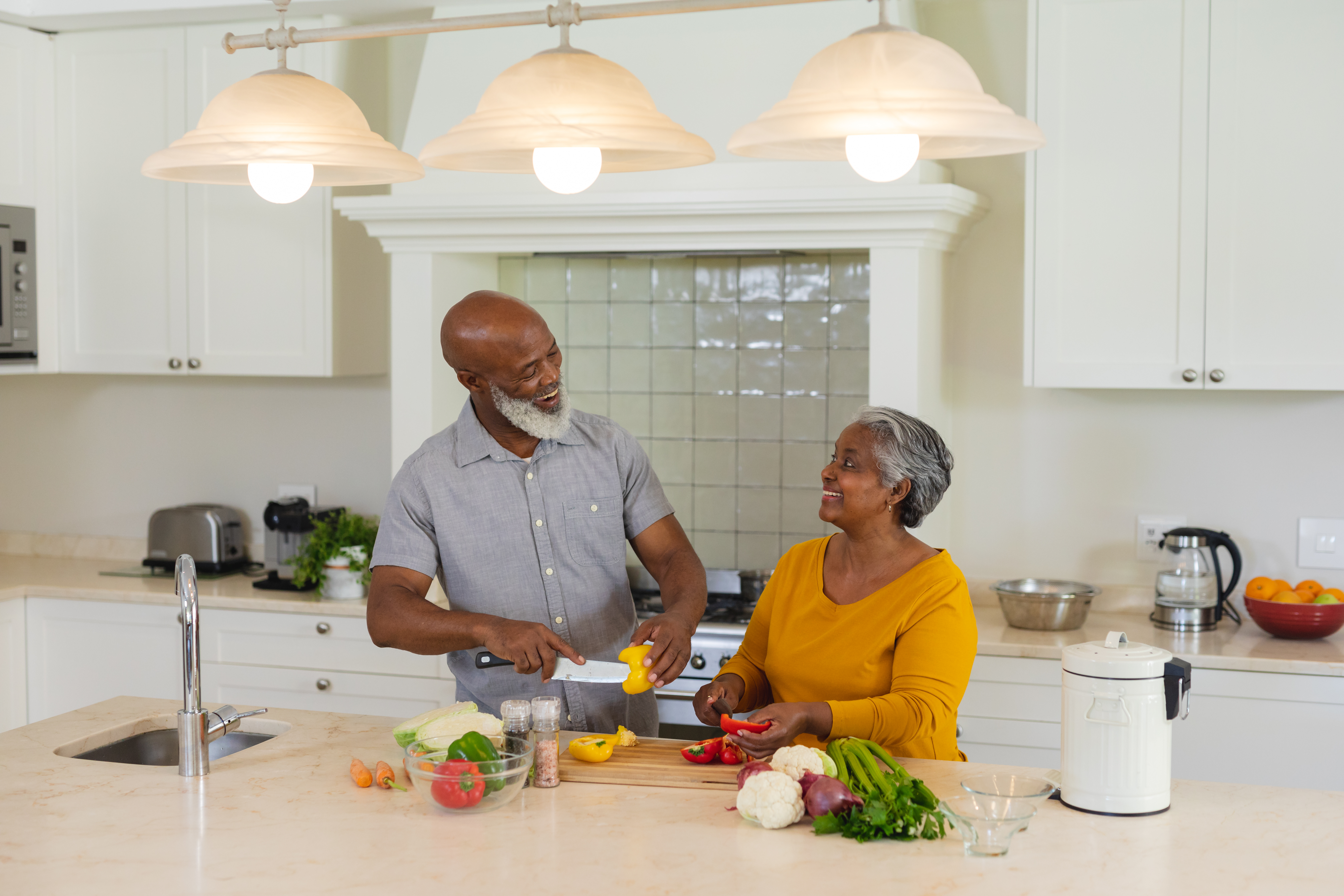
    Eating together is ordinary. Cooking together is the date. The kitchen is a small space that forces a kind of choreography — passing behind each other, handing off the knife, reaching across for the salt — and that close, busy proximity does more for an evening than any restaurant table set for two.

    Pick something with steps. The cook-together night fails when the recipe is too easy; you want a dish ambitious enough to need both of you, with prep that can be divided and stages that overlap. One of you on the sauce, one on everything else. Something that simmers, so there is a stretch in the middle where the work is done and you are just standing in a warm kitchen waiting, glass in hand, the best part.

    Pour the wine before you start, not after. The cook-together night is not about efficiency — it is about the hour and a half spent making something with your hands beside someone making it with theirs. The wine is part of the pacing. So is the music. So is the willingness to let it take longer than it strictly needs to.

    Accept the mess. A kitchen cooked in hard, by two people, looks like a small disaster by the end, and that is exactly right. You can clean it together tomorrow, or tonight, or not for a while. The flour on the counter and the second glass and the dish that came out a little wrong are the evening. The meal is just the proof that you spent it well.

    Make It Yours

    Choose a recipe neither of you has made. The fumbling — the consulting, the second-guessing, the small triumphs — is the point. A dish you have both mastered separately is just dinner. A dish you figure out together is a memory.

  • The Tasting Menu at Home

    The Tasting Menu at Home

    Shape: five small courses, served slowly, over two to three hours. Best for a night with nowhere to be afterward.

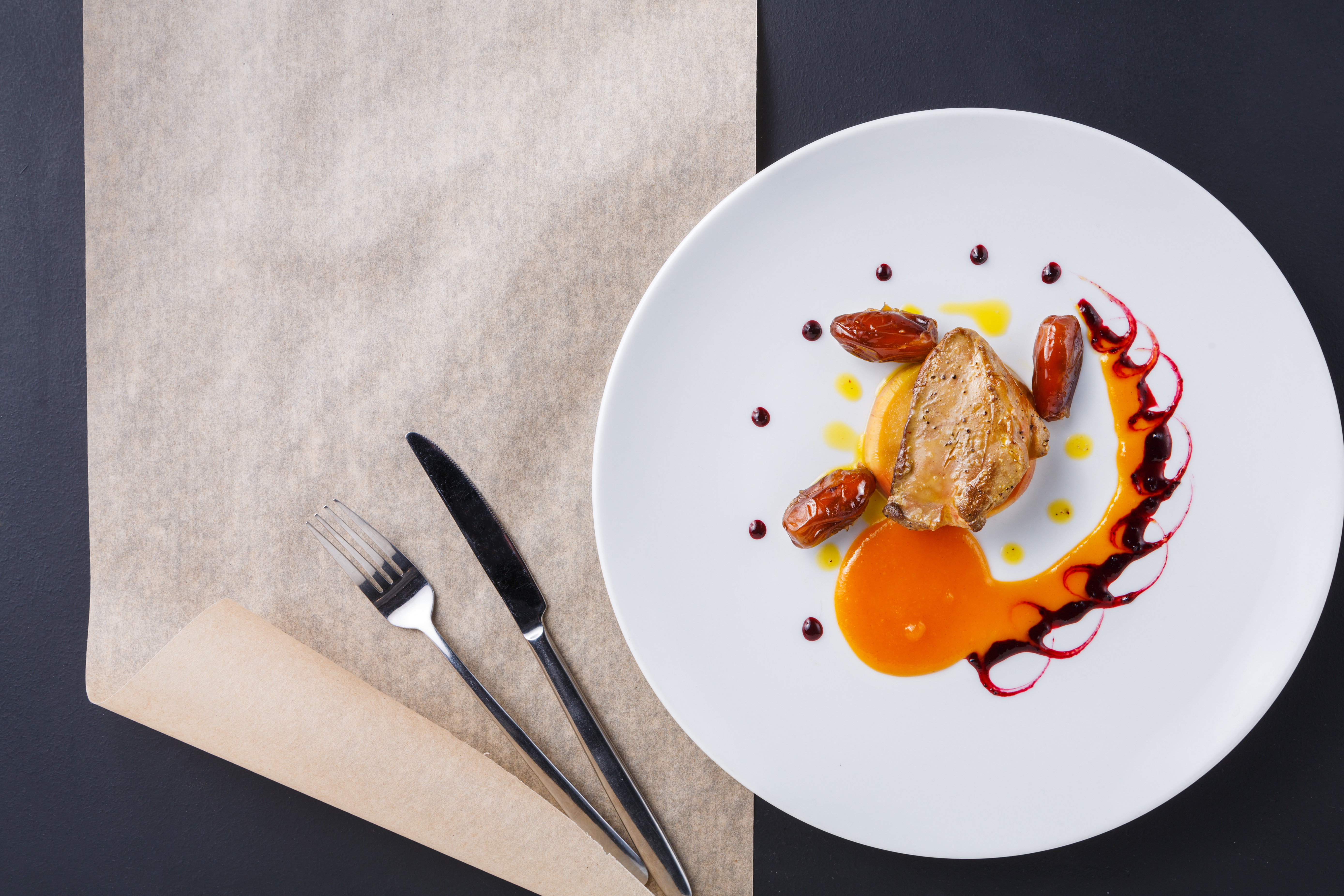
    The point of a tasting menu is not the food, exactly. It is the pacing — the way a meal stretched into courses turns an evening into an event, each small plate a reason to stay at the table a little longer. You can do this at home for the price of a good grocery run and a willingness to cook in stages.

    Keep the portions deliberately small. A tasting menu lives or dies on restraint: two or three bites per course, plated on your smallest dishes, so that hunger never quite resolves and conversation has room to wander between them. Five courses sounds ambitious until you realize three of them can be assembled rather than cooked — a few oysters, a wedge of cheese with honey, a single perfect fig.

    Build an arc. Something bright and cold to start, then something rich, then a palate-cleanser that is really just an excuse to leave the table and come back. Save one course you actually have to cook for the middle, when you are both a glass of wine in and the kitchen feels like the best room in the house.

    The trick is to plate one course at a time and clear it before the next, even if clearing means two steps to the sink. The walking, the waiting, the small ceremony of the next plate arriving — that is the date. The food is just what gives your hands something to do while you pay attention to each other.

    Make It Yours

    No need for anything imported or rare. A tasting menu is a frame, not a recipe — five things you both like, made small and served slow. Look to what is good at your local market this week and let the season write the menu.

  • The Recipe Handed Down

    The Recipe Handed Down

    Date Night — Dining

    Most recipes come from a book or a screen — instructions written by a stranger, precise and complete. But almost everyone has access to a different kind of recipe: the one handed down. A grandmother’s sauce, a father’s particular way with eggs, the dish a family makes every year and has never properly written out. Cooking one of those, together, makes a quietly extraordinary date.

    WHY IT IS DIFFERENT

    An inherited recipe is never just instructions. It carries a person inside it. To cook it is to spend the evening with a memory — to do, with your own hands, the exact small motions someone you love has done a hundred times. The kitchen fills, for an hour, with their presence.

    Handed-down recipes are also gloriously imprecise, and the imprecision is the point. A handful. Until it looks right. The way she always did it. Cooking one means calling someone to ask, or working from a half-remembered demonstration, or guessing — and that detective work, done as a couple, is itself the date. You are not just making dinner. You are recovering something.

    HOW TO DO IT

    Pick a recipe one of you grew up with — the more loved and the less written-down, the better. Track down whatever version of it exists: call the relative, dig out the index card, reconstruct it from memory together. Then cook it side by side, the keeper of the memory guiding the other through it.

    Eat it slowly, and tell the stories that come with it — because they will come. A handed-down recipe always arrives with stories attached, and the stories are the second course.


    POUR — Whatever the family drank with it. Honor the original.

    MOOD — Warm. Ancestral. Cooking a memory.

  • The Corner Booth

    The Corner Booth

    Date Night — Dining

    Every restaurant has a best table, and it is rarely the one people ask for. The window table is for being seen. The center of the room is for being part of the scene. But the best table for a date is the one tucked into the corner — the booth against two walls, slightly out of the traffic, a little in shadow.

    WHY THE CORNER WINS

    A corner booth gives you a back to the wall and a view of the room, and that single fact changes the whole meal. You are not on display and you are not exposed. You can see without being the thing seen. The nervous system settles, the conversation drops half a register, and the evening becomes genuinely private in the middle of a public room.

    The booth itself helps. You sit closer on a banquette than across a table — slightly side by side, angled toward each other rather than squared off. It is a small architectural nudge toward intimacy, and good restaurants know exactly what they are doing when they build them.

    HOW TO GET ONE

    Ask. When you book, request the corner booth by name — most restaurants are happy to oblige and simply never get asked. Book a little earlier or a little later than the rush, when the good tables are not all spoken for. And once you have it, settle in: the corner booth rewards staying. It is built for the long, unhurried meal, not the quick turn.

    The window seat is for the restaurant’s benefit. The corner booth is for yours. Ask for it next time.


    POUR — A martini to start, tucked into the corner. Then wine with dinner.

    MOOD — Private. Settled. Out of the traffic.

  • Breakfast for Dinner

    Breakfast for Dinner

    Date Night — Dining

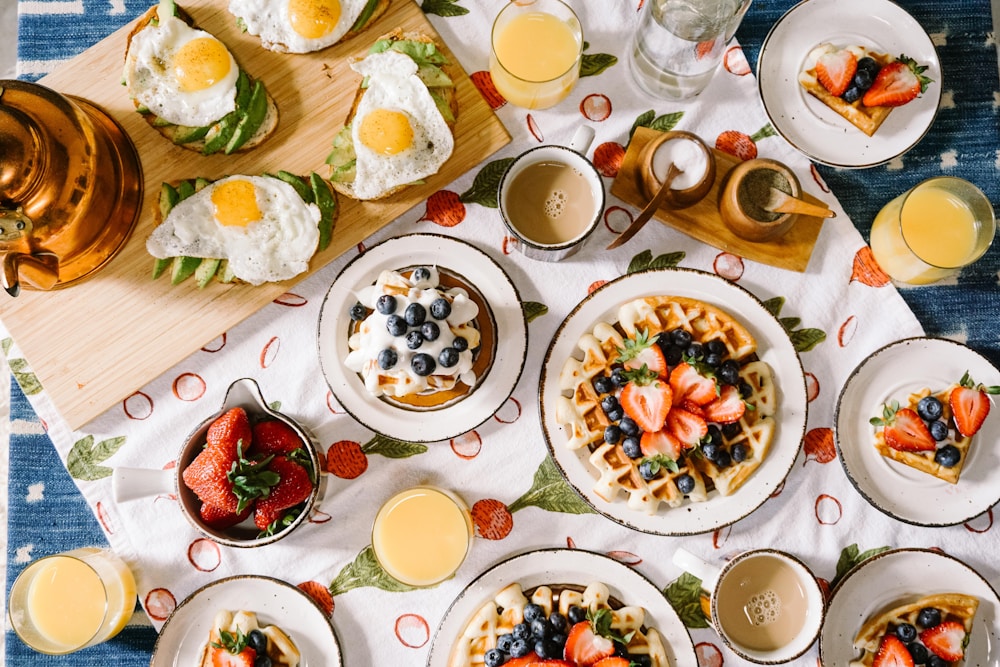
    There is a particular pleasure, mild and entirely harmless, in eating the wrong meal at the wrong time. Breakfast for dinner — eggs at eight in the evening, pancakes after dark, toast and coffee when the day is ending rather than beginning — is a tiny domestic rebellion, and it makes a genuinely good date.

    WHY IT WORKS

    Breakfast food is comfort food. It is warm, simple, familiar, and almost impossible to get wrong. Cooking it carries none of the performance anxiety of a real dinner — nobody fails at scrambled eggs. So a breakfast-for-dinner date is low-stakes by design: you are cooking together in the easiest possible kitchen.

    And the wrongness of the timing is the charm. Eating pancakes at night feels faintly like getting away with something. It breaks the ordinary rhythm of the evening just enough to make the night feel set apart — a small shared decision to do things slightly out of order, together.

    HOW TO DO IT

    Cook it side by side — breakfast is forgiving enough that two cooks in one kitchen is a pleasure, not a collision. Eggs however you both like them, something on the side, good toast, real coffee or, better, a cocktail that nods at morning without pretending. Eat it somewhere other than the usual dinner spot, just to complete the gentle wrongness.

    It costs almost nothing, takes twenty minutes, and turns an ordinary night into one with a small, cheerful joke at its center. Eat breakfast tonight.


    POUR — Coffee, or a drink that winks at morning. Mimosa after dark counts.

    MOOD — Cozy. Playful. Pleasantly out of order.

  • The Tasting Menu

    The Tasting Menu

    Date Night — Dining

    Most dinners come with a small ongoing task: the menu. You read it, you weigh it, you choose, you second-guess. The tasting menu removes that task entirely. You sit down, and the kitchen takes over, and for the next two hours your only job is to be there.

    It is a particular kind of date — the one where you both, deliberately, surrender.

    WHY IT SUITS A DATE

    A tasting menu has built-in pacing, and pacing is what a good date wants. The courses arrive in a rhythm someone else has designed — small, frequent, each one a fresh thing to react to. The conversation never has to carry the whole table, because every ten minutes the table gives you something new to talk about.

    There is also something quietly bonding about surrendering together. Neither of you is steering. You are both simply guests of the same kitchen, having the same experience at the same pace — and comparing notes on each course as it lands is its own running conversation.

    HOW TO DO IT

    Go in hungry and unhurried — a tasting menu is a long sit, and rushing it defeats the entire premise. Take the wine pairing if it is offered; it is the same surrender, extended to the glass. And do not photograph every plate. Look at it, taste it, talk about it. The meal is happening now, not later.

    Choose the restaurant for the occasion, not the appetite. The tasting menu is not about being fed. It is about handing the evening to someone who has thought hard about how it should go — and letting them be right.


    POUR — The pairing, if offered. Otherwise a bottle chosen to last.

    MOOD — Surrendered. Curious. Course by course.

  • The Family Table

    The Family Table

    Date Night — Dining

    Most dates happen in neutral territory — a restaurant, a bar, a place that belongs to neither of you. The family table is the opposite. It is a date held on the most loaded ground there is: the room someone grew up being fed in.

    Bringing a person home for dinner, or being the person brought, is a date with an audience and a history. It is also, done right, one of the most revealing and tender evenings a relationship can have.

    WHY IT MATTERS

    You learn things at a family table that no restaurant will ever show you. How a person is with the people who made them. What the house jokes are. Which recipe is sacred and why. You are not just meeting a family — you are being shown the original context of the person you are getting to know.

    It cuts both ways. The family is reading the room too, and the person who brought you is quietly watching everyone watch everyone. It is a lot of evening packed into one table. That density is precisely what makes it count.

    HOW TO BE THERE

    Whether you are the guest or the one doing the introducing: arrive generous. Bring something. Ask about the food — the family table always has a story stirred into it, and asking for the story is the warmest thing you can do. Offer to help clear. Let the meal be long.

    It is more than a meal, and everyone at the table knows it. The film Brooklyn understood this exactly — a single dinner where a young woman is folded into a family, and a whole future is quietly decided over the plates.


    POUR — Whatever the host pours. Accept the second glass.

    MOOD — Open. Generous. Paying close attention.

  • The Long Lunch

    The Long Lunch

    Dinner has a shape. It begins when the day is spent and ends when the day is over, and somewhere in the back of both your minds is the morning. Lunch, done right, has no shape at all.

    The long lunch is a date that starts at one and refuses to look at a clock. You order the way people order when there is nowhere to be — slowly, a course at a time, deciding on dessert only once dessert has become a real question rather than a formality.

    WHY IT WORKS

    Daylight is honest. There is no candle doing you a favor, no dim room softening the edges. You see each other plainly, across a table, in the middle of an ordinary afternoon — and choosing to spend that afternoon this way says something a dinner reservation cannot.

    It also breaks the script. Evenings come with expectations: the drink, the dinner, the what-happens-after. A Tuesday afternoon at a sunlit table comes with none. You are simply two people who decided the day could be spent on each other.

    HOW TO DO IT

    Pick a place that will let you stay. Not a counter, not a lunch rush — somewhere with a table they are happy to lose for two hours. Order a bottle, not a glass. Let the plates come when they come. And leave the afternoon deliberately open behind it, so the lunch can spill into a walk, a bookshop, nothing in particular.

    The luxury was never the meal. It was the hours you refused to schedule around it.


    POUR — A bottle of something pale and cold. Split it slowly.

    MOOD — Unhurried. The afternoon is yours.

  • The Sunday Late Breakfast

    The Sunday Late Breakfast

    Staying In · Dining · For the morning after, or any Sunday that deserves more

    This is not brunch. Brunch is an event, a social obligation, something you make a reservation for. The Sunday late breakfast is something else: it is what happens when neither of you gets up at a reasonable hour, when the light through the curtains has gone from early-morning gold to late-morning white, when the question of what to eat becomes the first real conversation of the day.

    The Sunday late breakfast is about deliberate ease. It is not efficient. It does not optimize for anything. It is a form of agreement between two people that the morning is worth extending past its useful point — that the day can wait, that there is nowhere more interesting to be than here, with good coffee and something in the pan.

    The Coffee

    Make it properly. Not because the quality matters more on Sunday mornings — it always matters — but because the act of making it properly signals that this is not a morning you are rushing through. Grind the beans. Heat the cup. Take the extra two minutes. This is the opening statement of the whole day.

    What to Make

    Something that takes a little time and not too much attention. Eggs in whatever form you prefer, but cooked slowly — scrambled low and slow, or fried carefully, or a frittata that can sit in the oven while you both do something else. Toast from good bread. Something acidic alongside: sliced tomatoes, a sharp jam, something pickled if you have it. Butter, generously applied.

    The Sunday late breakfast is not the place for recipes with seventeen steps. It is the place for knowing what you like and making it well. The simplicity is the point.

    The Rest of the Morning

    Eat at a table, not on the couch. Read whatever you are reading — paper, phone, a book — but in the same room. Refill the coffee when it runs low. Do not check the clock until you feel like it. The Sunday late breakfast extends as long as it extends, and the right length is however long it takes before one of you stands up and says something about what to do with the rest of the day.