Date Night

Curated evenings for two — ideas, blueprints, and atmospheres for the art of the evening.

  • The Slow Saturday Morning

    The Slow Saturday Morning

    Shape: a morning with no alarm, no plans, and nothing to leave the house for. The whole point is to not get going. Allow it to take as long as it wants.

    Not every date involves going somewhere. The slow Saturday morning is the date you have at home, in pajamas, with the explicit and protected agreement that neither of you will rush, and that the morning is allowed to take as long as it takes. In a life organized around being somewhere, an undefended morning is a small radical act, and shared, it is a kind of date.

    The rules are mostly prohibitions. No alarm. No plans booked before noon. No springing immediately into the day’s chores. The phones, if not banished, at least put aside. What is left is the morning itself, slowed almost to a stop: the coffee made properly and drunk while still hot, the second cup, the lingering in bed or on the couch, the conversation that wanders because nothing is pulling it toward a conclusion.

    Build in the small ceremonies. The good coffee, the real breakfast made without hurry, the newspaper if you still keep one, the record put on low. These are not the date; they are the scaffolding for it. The date is the unhurriedness itself — the rare experience of being with someone in a stretch of time that has no edge, no appointment waiting to clip it short. You talk, or you do not. You read in the same room. You go back to bed. The morning is permitted to be useless, and its uselessness is the gift.

    It cannot be scheduled, exactly, only protected — a Saturday you both agree in advance to leave empty, defended against the encroachment of errands and obligations. And it is among the truest tests of a relationship, because doing nothing together, comfortably, for hours, is harder and rarer than doing something. The couples who can spend a slow morning at home and want for nothing have found something that no night out can give them.

    Make It Yours

    The only real preparation is the protecting — clearing the morning in advance and guarding it. Lay in good coffee and something nice for breakfast the night before, set no alarm, and let Saturday do the rest.

  • The Picnic After Dark

    The Picnic After Dark

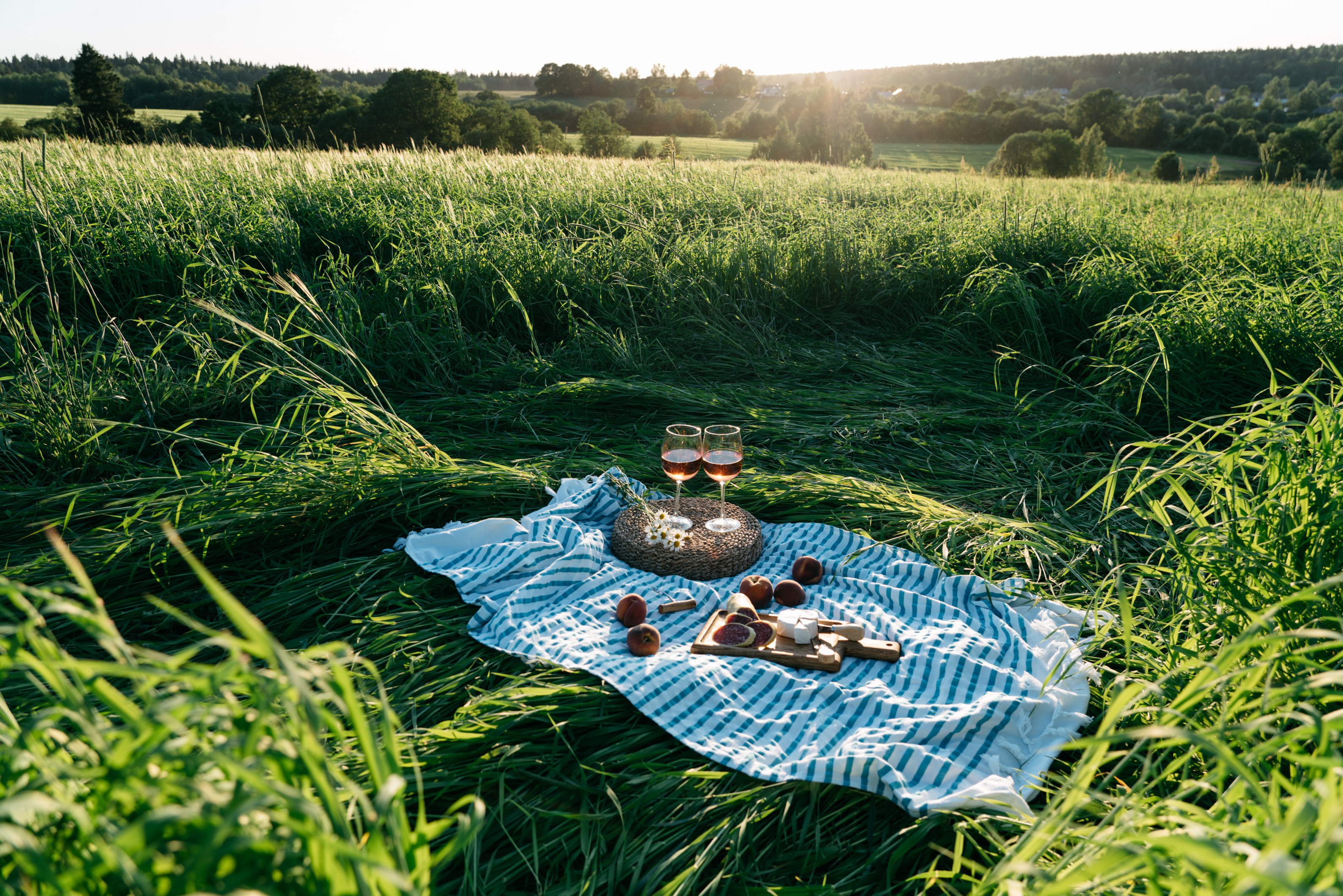
    Shape: a picnic, but at night. A blanket, a basket, a warm evening, and a familiar place transformed by the dark. Two to three hours.

    The daytime picnic is pleasant and a little public — sunscreen, other people, the slight performance of leisure. The picnic after dark is something else entirely. The same park, the same blanket, the same basket, but emptied of crowds and lit only by whatever the night provides, becomes private, quiet, faintly conspiratorial. You have the place to yourselves, which during the day you never do.

    Choose somewhere you know in daylight and return to it after dark, because half the pleasure is the transformation — the familiar made strange, the lawn you have crossed a hundred times now a dark soft expanse with the city glittering at its edge. Bring a real blanket and a light layer for later; warmth that was abundant at sunset thins out fast once the dark settles. Pack food that travels and does not need a fork in the dark — good bread, cheese, fruit, something to drink, a small sweet thing for the end.

    Keep the light low. The temptation is to bring a bright lantern, but the magic of the night picnic is the dimness — a single small candle in a jar, or nothing but the moon and the ambient glow of the world. Your eyes adjust. The lowered light lowers your voices too, and the conversation that happens on a blanket in the near-dark has a different register than the daytime kind: closer, quieter, more given to the things you only say when no one can quite see your face.

    Stay until you are pleasantly cold and ready for somewhere warm. The night picnic is short by nature — it has a built-in ending, the chill that eventually sends you home — and that brevity is part of its charm. A couple of hours on a blanket under the dark, with good food and someone you like and a familiar place gone quiet and strange, is one of the great cheap luxuries of the warm months.

    Make It Yours

    The spot matters less than the dark and the privacy. A backyard, a quiet park, a beach, a rooftop — anywhere you can spread a blanket and be reasonably alone after sundown. Pick the warm night and go.

    A proper basket turns this from a meal into an occasion. Find one on Amazon.

  • The Coastal Drive

    The Coastal Drive

    Shape: a drive along water with no real destination. Half a day, windows down, the route more important than the arrival.

    Some of the best dates are not places but motion — and the coastal drive is the finest of them, a few hours in a car beside the water with nowhere in particular to be. The destination, if there is one, is an excuse. The drive is the date.

    The car is a strangely good room for two people. Side by side, eyes on the road, talking without the pressure of a face to read — there is a reason the most honest conversations of many relationships happen in a moving car. Add a shoreline out the window, the light off the water, the road bending to follow the coast, and you have a setting that asks nothing of you but to keep going and keep talking. Build a playlist beforehand; the right song at the right curve of the road is its own small event.

    Resist the urge to optimize. The coastal drive is ruined by a tight itinerary. Leave room to pull over at the overlook that was not on the map, to stop at the unpromising roadside place that turns out to be perfect, to sit for twenty minutes at a turnout watching the water do nothing in particular. The unplanned stops are where the day lives. The plan is just enough structure to get you onto the road.

    Time it for the light if you can. A coastal drive that ends near sunset — the water going gold, then pink, then dark, the headlights coming on, the day folding down into the warm cabin of the car — is hard to improve upon. By then you will have run out of agenda and be simply driving, together, music low, the shoreline a dark line beside you, in no hurry at all to arrive anywhere.

    Make It Yours

    Any water will do — ocean, lake, river, reservoir. The route matters less than the company and the absence of a schedule. Find the nearest shoreline road and follow it until you feel like turning around.

  • The Handwritten Letter Evening

    The Handwritten Letter Evening

    Shape: an evening of writing, not talking. Pen, paper, a shared table, an hour of companionable silence.

    Here is a strange and lovely date that costs almost nothing: sit at the same table, each with paper and a good pen, and write each other a letter. No talking. Just the scratch of two pens and the rare, deep quiet of two people thinking hard about each other in the same room.

    The form does the work. There are things that are easier written than said — easier to put on paper than to speak across a dinner table, where a face is watching and the moment can curdle into awkwardness. A letter gives you time to find the words, to cross out the wrong ones, to say the large thing plainly because the page will not flinch. Set a loose length — a page, say — so that neither of you can hide in a single sentence or drown in five.

    Make it an occasion, not a chore. Good paper, a real pen, something to drink, music low or no music at all. The silence is the point — an hour of being in the same room, both of you bent over a page, both of you writing toward the same person. There is an intimacy to that shared quiet concentration that conversation, for all its pleasures, can never quite reach.

    Then trade. The reading is its own event — watching someone read what you wrote, watching their face change, the small mortifying wonderful vulnerability of having said something on paper that you would not have managed out loud. Keep the letters. Unlike a conversation, a letter survives. Years on, the page will still be there, in the handwriting of the person on the night they wrote it, saying the thing they meant.

    Make It Yours

    If a blank page is daunting, give it a prompt — a memory, a thank-you, a hope for the year. The constraint frees the hand. The letter need not be eloquent. It only needs to be true.

    A pen you like makes the hour easier to keep. Good stationery on Amazon.

  • The Farmers Market Morning

    The Farmers Market Morning

    Shape: an early, unhurried morning out, with a tote bag and a loose plan to cook what you find. Two to three hours.

    The farmers market is a date disguised as an errand, which is part of its charm. There is a reason to be there — you need things — but the reason is just scaffolding for a slow morning of wandering, tasting, and deciding together what the day will taste like.

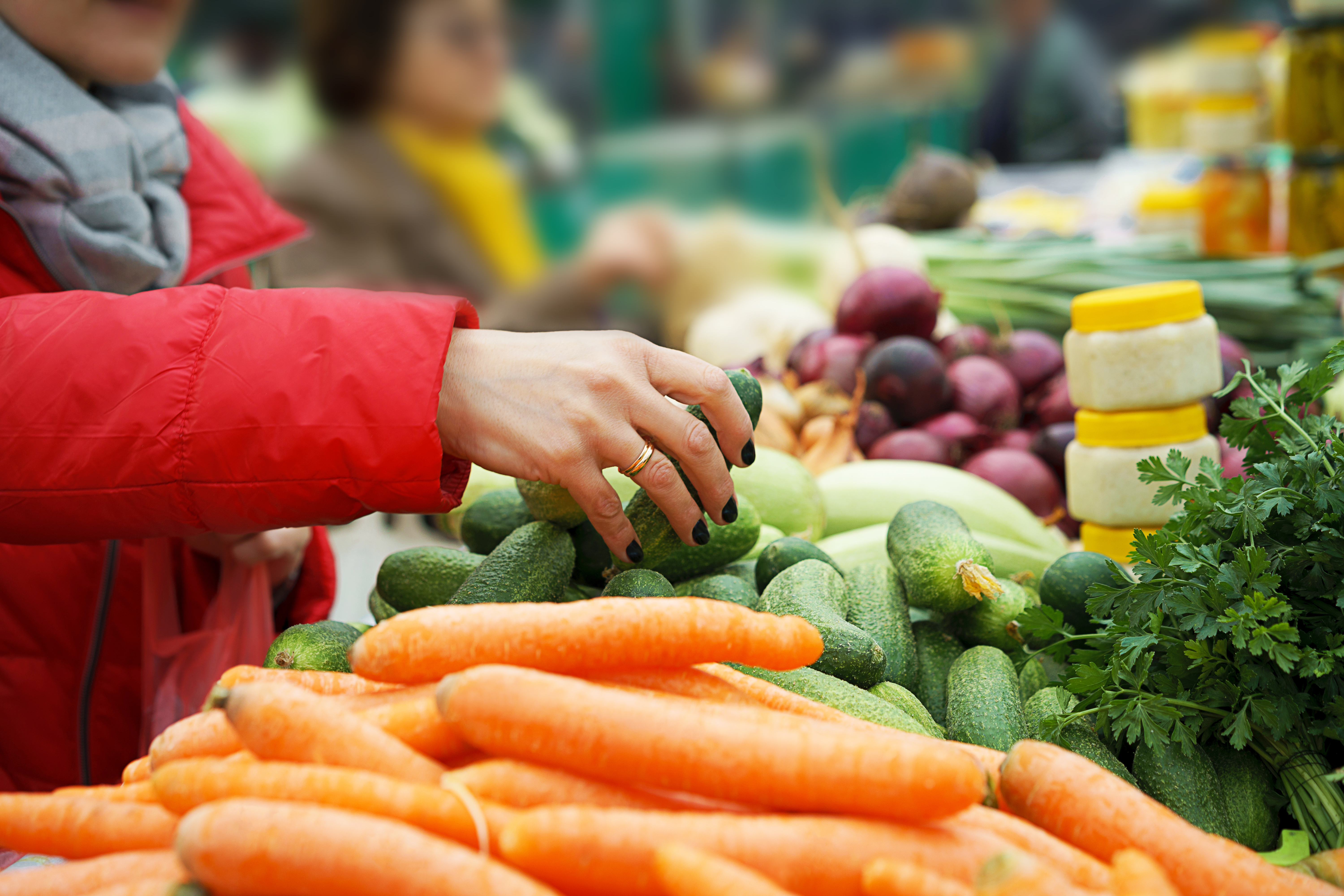
    Go early, before the good things sell out and the crowds thicken. There is a particular pleasure to a market in its first hour: the light still low, the vendors still arranging, the produce at its freshest and most photogenic. Bring cash and a sturdy bag, and resist the urge to plan too tightly. The market rewards improvisation. You came for tomatoes and leave with tomatoes, a strange squash, a jar of honey, and a bunch of flowers neither of you needed.

    Let the shopping be collaborative. The small negotiations — should we get these, can we use that, what would we even do with a whole bunch of rhubarb — are the conversation, and they are better than most. Sample everything offered. Talk to the person who grew the thing. A market is one of the few remaining places where buying food still involves other humans, and that contact is half the point.

    Then comes the best part, which is the implied second act: the bag of things you chose by hand, and the unspoken agreement to cook them together later. The morning date plants the evening date. You spend the hours in between with the ingredients on the counter and the anticipation of using them, the day bookended by the same impulse — to make something good, slowly, together.

    Make It Yours

    Pick one thing at the market you have never cooked and build the night’s dinner around it. The market date is best when it commits you to a small adventure at the stove a few hours later.

  • The Stargazing Date

    The Stargazing Date

    Shape: a blanket, a dark sky, and an hour with your backs to the ground. Best on a clear, moonless night, late.

    The stargazing date is the oldest one there is, and it survives because it asks for almost nothing and gives back something disproportionate. Two people, lying on their backs, looking up at a sky that does not care about either of them — there is a particular kind of conversation that only happens in that position, talking sideways into the dark.

    Get away from the light. This is the only real requirement, and the one most people skip. The glow of a town washes out all but the brightest stars; twenty minutes of driving toward darkness can be the difference between a handful of dim points and a sky thick with them. Let your eyes adjust — give it a full ten minutes before you decide there is nothing to see. The longer you look, the more arrives.

    Do not overthink the astronomy. You do not need to name the constellations or run an app to identify satellites, though you can if it pleases you. The point is not knowledge; it is scale. There is something about lying under an enormous indifferent sky that shrinks the day’s anxieties to their proper size and makes whatever you say to each other feel both smaller and more true.

    Bring more than you think you need: an extra blanket for the cold that arrives once you stop moving, something warm in a thermos, the willingness to lie there longer than feels reasonable. The first ten minutes are nice. The hour mark is where the date actually happens — when you have run out of things to point at and are simply lying side by side in the dark, talking or not talking, watching the same sky.

    Make It Yours

    Find the darkest spot within easy reach of where you live — a field, a beach, a rise outside town. The destination matters less than the dark. The best stargazing date is the one close enough that you actually go.

  • The Cheese Board Night

    The Cheese Board Night

    Shape: one generous board, assembled not cooked, grazed slowly over a long evening. No stove required.

    Some nights you do not want to cook, but takeout feels like a small surrender. The cheese board is the answer — a meal you build rather than make, that asks for a sharp knife and a trip to a good counter and nothing more, and that turns grazing into an event.

    Build it for contrast. The rule of a good board is range: something soft, something hard, something blue, and then the supporting cast — the honey, the dried fruit, the cured meat, the nuts, the good bread or the plain crackers that let the cheese do the talking. You are not feeding a crowd. You are giving two people a landscape to wander, a dozen small decisions to make together over the course of an evening.

    The pleasure is in the pacing. A board does not get served and finished; it sits between you and gets returned to, the conversation circling back to it, a new combination discovered an hour in. Pour something that wants company — a bottle of red, or a crisp white, or the beer that quietly outperforms wine with a strong cheese. There is no order of operations. That is the freedom of it.

    Let it be the whole night. The mistake is treating the board as a prelude to a real dinner. Build it big enough to be the dinner, set it somewhere comfortable — the coffee table, the floor, the bed if you are that kind of evening — and graze until you are done. A cheese board eaten slowly, with someone you like, with a bottle and no plans, is a complete and civilized way to spend a night.

    Make It Yours

    Visit a real cheese counter and ask the person behind it for one thing you have never tried. The board built around a stranger neither of you has tasted is always better than the safe one. Let the shop surprise you.

    The whole evening rests on one good board. A generous one is easy to find on Amazon.

  • The Cook-Together Night

    The Cook-Together Night

    Shape: one ambitious recipe, cooked together from scratch. Give it two unhurried hours and expect a mess.

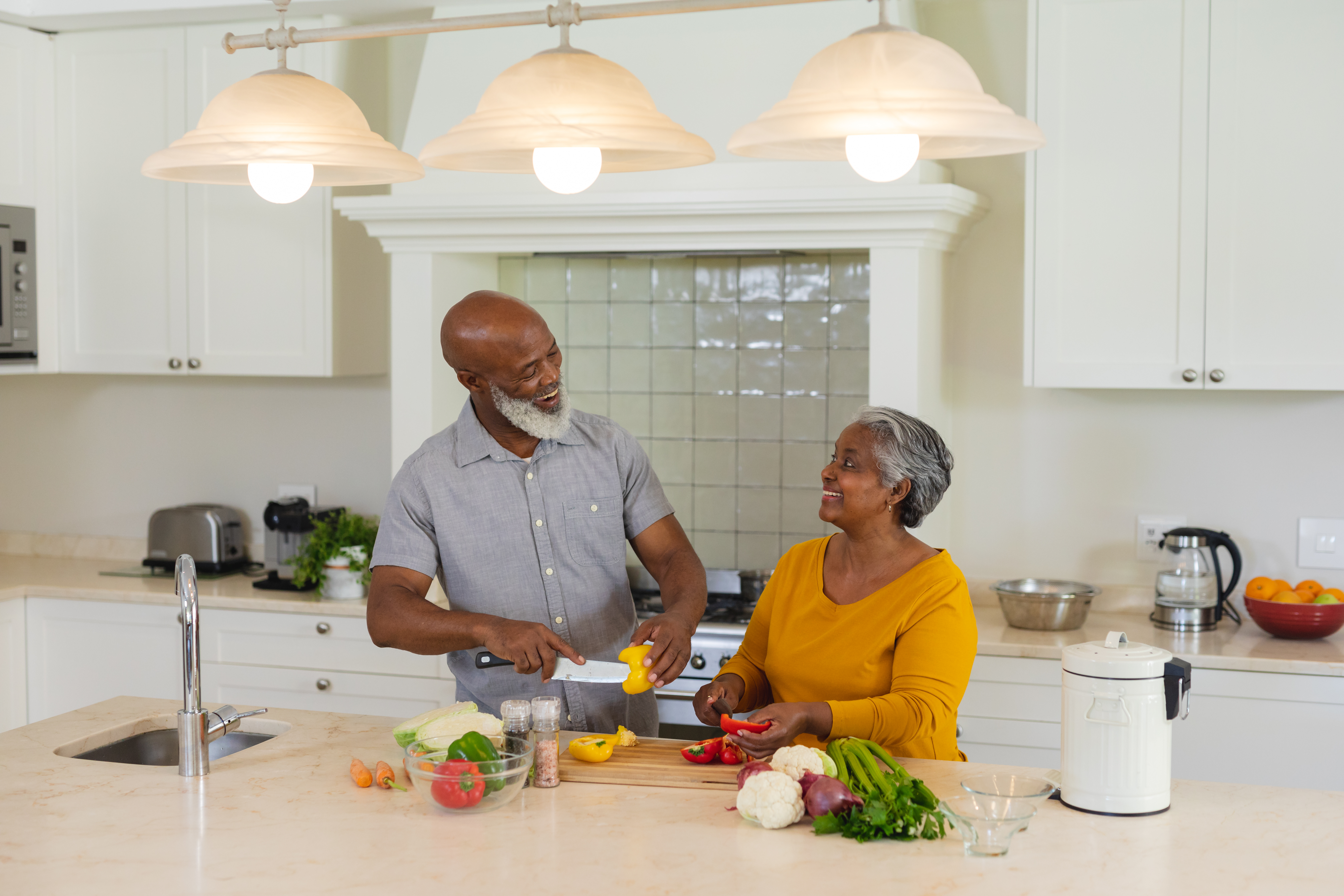
    Eating together is ordinary. Cooking together is the date. The kitchen is a small space that forces a kind of choreography — passing behind each other, handing off the knife, reaching across for the salt — and that close, busy proximity does more for an evening than any restaurant table set for two.

    Pick something with steps. The cook-together night fails when the recipe is too easy; you want a dish ambitious enough to need both of you, with prep that can be divided and stages that overlap. One of you on the sauce, one on everything else. Something that simmers, so there is a stretch in the middle where the work is done and you are just standing in a warm kitchen waiting, glass in hand, the best part.

    Pour the wine before you start, not after. The cook-together night is not about efficiency — it is about the hour and a half spent making something with your hands beside someone making it with theirs. The wine is part of the pacing. So is the music. So is the willingness to let it take longer than it strictly needs to.

    Accept the mess. A kitchen cooked in hard, by two people, looks like a small disaster by the end, and that is exactly right. You can clean it together tomorrow, or tonight, or not for a while. The flour on the counter and the second glass and the dish that came out a little wrong are the evening. The meal is just the proof that you spent it well.

    Make It Yours

    Choose a recipe neither of you has made. The fumbling — the consulting, the second-guessing, the small triumphs — is the point. A dish you have both mastered separately is just dinner. A dish you figure out together is a memory.

  • The Double Feature

    The Double Feature

    Shape: two films back to back, with a real intermission between. Plan for four hours and a late night.

    Anyone can watch a movie. The double feature is a commitment — a whole evening surrendered to the couch, two films chosen to talk to each other, with an intermission in the middle that you build yourselves. It is the difference between watching something and making a night of it.

    The pairing is everything. Resist the urge to watch two of the same; a double feature works on contrast or conversation. Pair a film with its director’s later work and watch them age in real time. Pair a loud one with a quiet one so the second feels like an exhale. Or pair two films that share a city, an actor, a year, and let the rhyme reveal itself somewhere in the second hour.

    Honor the intermission. This is the part that separates a double feature from simply not going to bed. When the first film ends, get up. Refill something, raise the lights, take the ten minutes to actually talk about what you just watched before the next one washes it away. The intermission is where the date lives — the movies are just what you do around it.

    Build the room for the long haul: blankets within reach, the snacks pre-positioned so no one has to fully leave, the phones face-down in another room entirely. A double feature is a small endurance event, and like any endurance event it rewards preparation and punishes the half-committed.

    Make It Yours

    The best double bills are personal, not prestigious. Two films one of you loves and the other has never seen will always beat two films you both feel you ought to watch. Let it run late. That second movie, watched past your bedtime, is the one you will both remember.

  • The Tasting Menu at Home

    The Tasting Menu at Home

    Shape: five small courses, served slowly, over two to three hours. Best for a night with nowhere to be afterward.

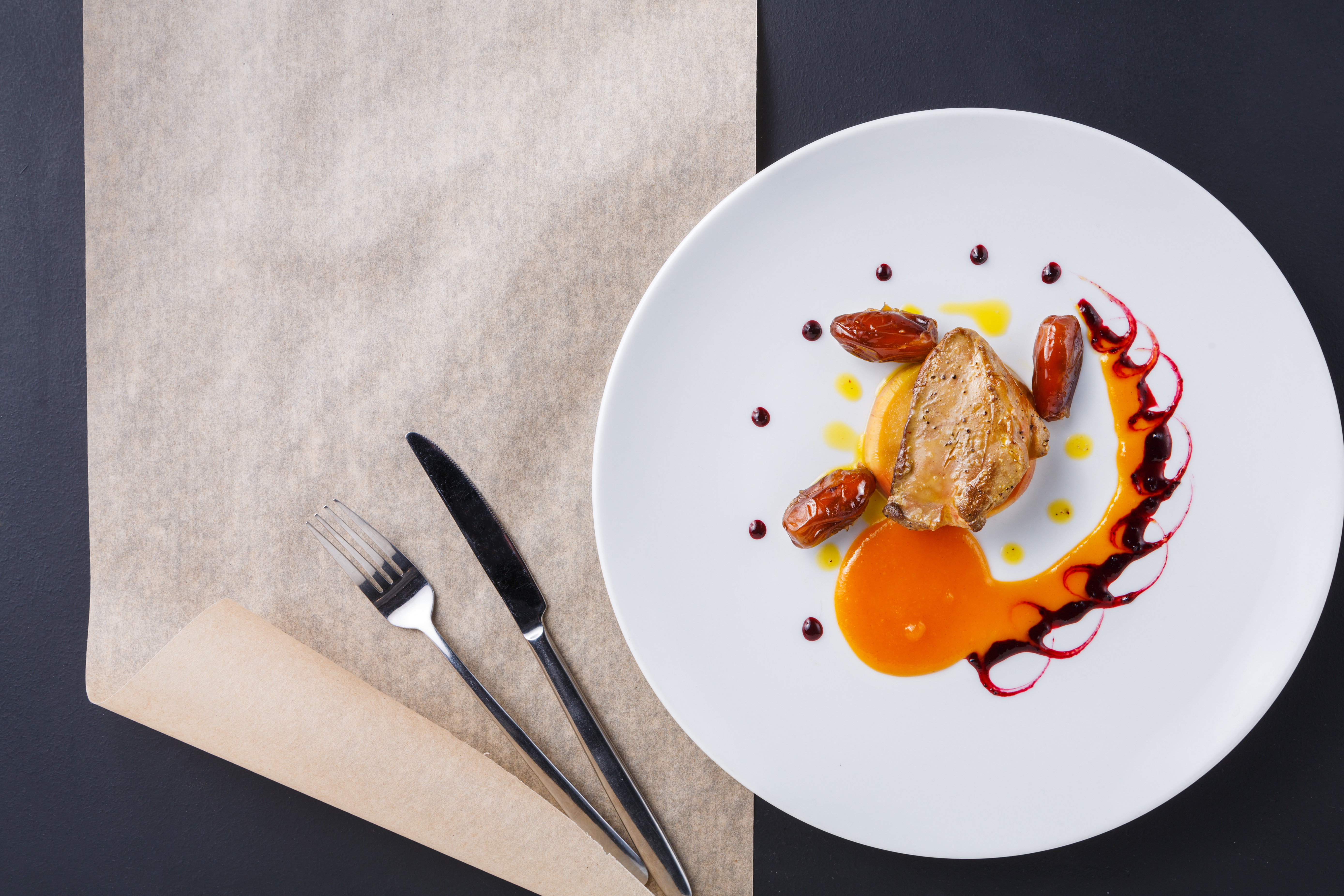
    The point of a tasting menu is not the food, exactly. It is the pacing — the way a meal stretched into courses turns an evening into an event, each small plate a reason to stay at the table a little longer. You can do this at home for the price of a good grocery run and a willingness to cook in stages.

    Keep the portions deliberately small. A tasting menu lives or dies on restraint: two or three bites per course, plated on your smallest dishes, so that hunger never quite resolves and conversation has room to wander between them. Five courses sounds ambitious until you realize three of them can be assembled rather than cooked — a few oysters, a wedge of cheese with honey, a single perfect fig.

    Build an arc. Something bright and cold to start, then something rich, then a palate-cleanser that is really just an excuse to leave the table and come back. Save one course you actually have to cook for the middle, when you are both a glass of wine in and the kitchen feels like the best room in the house.

    The trick is to plate one course at a time and clear it before the next, even if clearing means two steps to the sink. The walking, the waiting, the small ceremony of the next plate arriving — that is the date. The food is just what gives your hands something to do while you pay attention to each other.

    Make It Yours

    No need for anything imported or rare. A tasting menu is a frame, not a recipe — five things you both like, made small and served slow. Look to what is good at your local market this week and let the season write the menu.