weeknight

  • The Living Room Cocktail Hour

    The Living Room Cocktail Hour

    Setting the room before they arrive. A small private cocktail hour, just the two of you. (~60 minutes, low light, two drinks each, nowhere to be after.)

    There’s a date we used to do early in our relationship, back when going out felt expensive and we still cared about impressing each other. We’ve done it for a decade now. It’s gotten better.

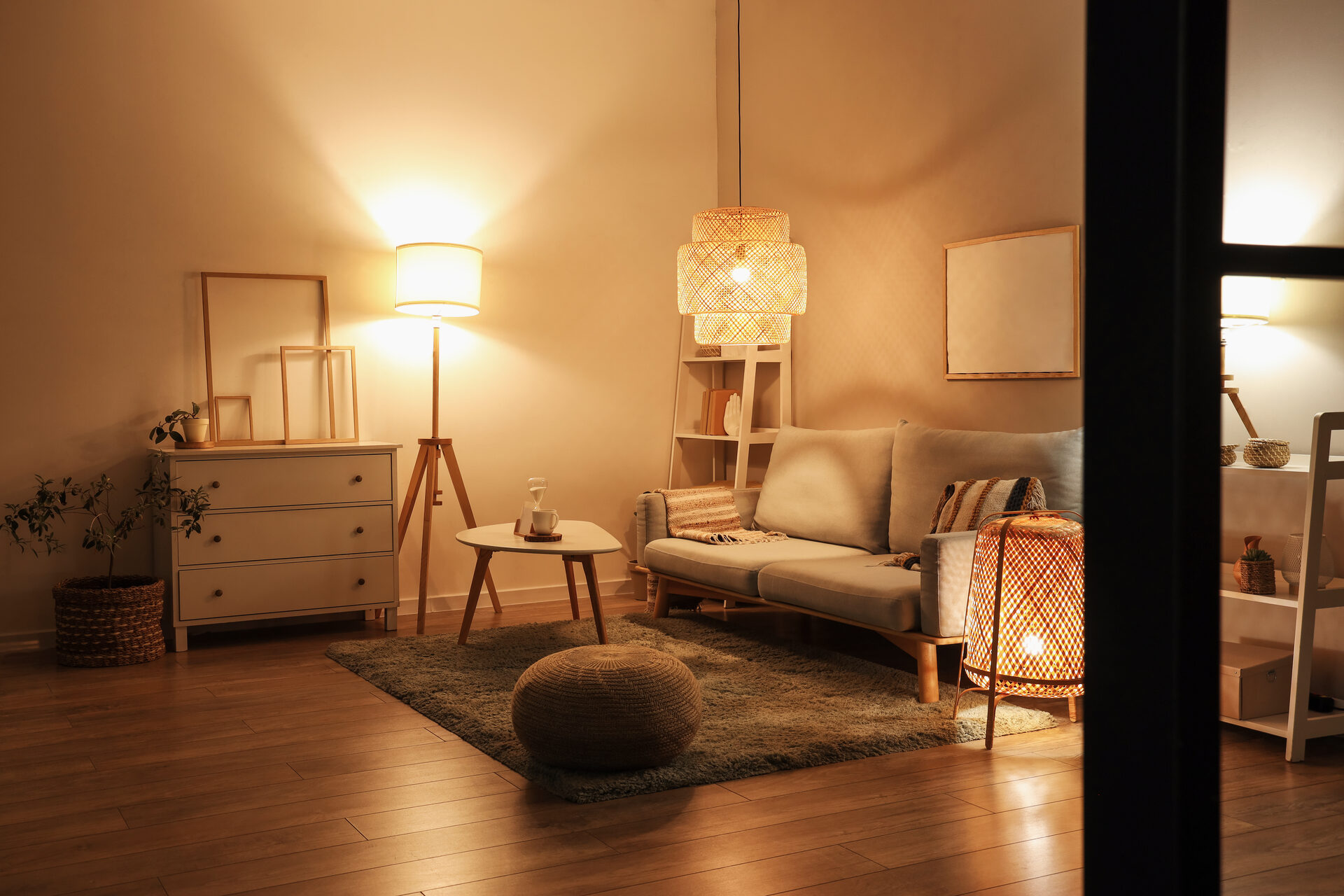
    The setup. (One of you arrives home about forty-five minutes before the other, or — if you’re already living together — one of you sets the room while the other is showering.) Lamps on, overheads off. Candles if you’re a candle person, which you should be. Music, low — something built for a room rather than a workout. (A lounge or vocal jazz playlist works. Something instrumental works too. Not the radio.) Glassware out and waiting. Ice in a small bowl on the bar cart, or the kitchen counter, or wherever you make drinks. A small dish of nuts or olives within reach. The phones are charging in another room.

    That’s the room. The whole point is that when the other person walks in (or out of the bathroom), there’s already a feeling. A small ceremony has been set up. You did it for them. They notice.

    The drinks part is the easy part. (Two cocktails each is the right number — one to begin and unwind, one to ease into.) Pick a single house drink for the evening rather than a cocktail menu. The Negroni is reliable. The Boulevardier in winter. A martini if you’ve both calibrated to it. A spritz on a summer evening. Don’t be ambitious. The whole point of a cocktail at home is that you make it the way you like it, exactly, with no negotiation. (Three-quarter ounce of this, an ounce-and-a-half of that, a stir of forty seconds, one large cube.)

    What you do for the hour is the part that gets weird if you’ve never done it. We are conditioned to fill quiet with activity. A cocktail hour at home, just two people, has no activity in it by design. You’re not watching anything. You’re not on phones. You’re not cooking yet — dinner, if there is dinner, is for after, or it’s already prepped and waiting.

    So you talk. Or you don’t. (Five or ten minutes of comfortable silence in a low-lit room with a drink in your hand is something most couples never experience, because they’ve never set up the conditions.) You can read. We’ve spent a lot of cocktail hours reading on the couch, opposite ends, books between us, drinks on the side tables, music low. That is a date. We’re not making this up.

    If you do talk, the conversation has the same quality as the slow goodnight or the one-block walk. It tends toward the small and the noticing. The plant on the windowsill is finally blooming. Somebody texted something funny earlier. The neighbor moved out. (You will be more affectionate during the cocktail hour than you have been all day. We’re still not sure why this is true. Maybe it’s the lamps.)

    Dinner can come after, or you can let the cocktail hour stretch and order in. (There’s a strong case for ordering in on a Friday and letting the hour become two — start at six-thirty, food arrives at eight, lights stay low all night.) The hour is the structure. The rest of the evening is whatever you want it to be after.

    What you’re doing, in the language of the rest of the site, is the staying-in version of the hotel bar. Same low light, same unhurried drink, same generosity of attention. You’ve just built it at home, for the two of you, with nobody else in the room.

    We can’t recommend it more.

    Find your local equivalent

    A bar cart isn’t necessary. A tray on a counter works. The minimum gear: two glasses you actually like, a single bottle of something, a citrus peeler, ice. Anything beyond that is preference.

    A note on US bottle shops

    Most American cities now have a serious wine-and-spirits shop with a knowledgeable staff. (In NYC: Astor Wines. In LA: Lincoln Fine Wines or K&L. In Chicago: Binny’s. In Boston: Gordon’s.) Tell the person behind the counter you’re trying to set up a home cocktail hour and you want one bottle of bitter, one of sweet vermouth, and one base spirit. They’ll know.

    Staying In · Cocktails · Home · Established · Comfortable · Weeknight · Weekend

    Worth Having · The Book

    Death & Co: Modern Classic Cocktails. The one that actually teaches you something. Worth keeping on the cart.

    See on Amazon →
  • The One-Block Walk

    The One-Block Walk

    The shortest going-out date there is. Out the door, around the block, back home. (~45 minutes, weather-permitting, any neighborhood, any stage of relationship.)

    There’s a date we’ve been doing for years that doesn’t require a reservation, doesn’t cost anything, takes less than an hour, and accounts for some of the best evenings on record. We call it the one-block walk.

    Here’s the assignment. (After dinner, before bed, somewhere around nine or nine-thirty.) You both put on shoes that are slightly nicer than slippers but lower-stakes than actual outfit shoes. Coats if it’s the season. Wallet, phone, key, that’s it. You leave the apartment. You walk one block in a direction. Then another. Then another. You come home.

    The route doesn’t matter. The point is exactly the opposite of the destination walk. You’re not going somewhere. You’re not getting something. You don’t have to come home with bread. You just walked, for forty-five minutes, in your own neighborhood, and now you’re back.

    This is, we suspect, the most underrated couple activity in America.

    What it does: it relocates the conversation. (Forty-five minutes outside, in motion, side by side rather than across a table, with the city or the suburb or the country road providing low-grade visual interest.) You will say things on a one-block walk that you would not say in your own kitchen. We don’t fully understand why this is true. Walking and talking has been understood as a form of intimacy for as long as humans have done both. The Greeks taught philosophy that way. The English have built whole novels around it. There’s something about the rhythm and the lateral attention — neither person staring directly at the other — that lets a different kind of conversation happen.

    A few rules we’ve found useful. (No phones in hand. They can stay in pockets, off, just in case. Don’t pull them out for any reason short of an emergency. The whole point is forty-five minutes uncovered by screens.) Don’t have an agenda. Don’t use the walk to “talk about something.” If you have a hard conversation pending, save it for somewhere else. The one-block walk is for the conversation that doesn’t need to happen but does, when given space.

    Pick the right hours. (After dinner is the strong choice — the food slows you down, the streets are emptier, the light is right.) In the summer, late dusk is magic. In winter, the cold is bracing in a way that makes the apartment feel better when you come back. Spring rain is fine if you have an umbrella and a sense of humor. The only weather to avoid is the kind that makes you actively uncomfortable — that turns the walk into a chore, and the date into endurance.

    Notice things together. The point is shared attention to the world, not to each other. The yellow window in the third-floor walk-up. The dog in the bay window. The new restaurant that’s almost finished construction. (Saying “look at this” to your person ten or twelve times in forty-five minutes is an underrated form of intimacy.)

    Come home. Put the keys back. The apartment will look slightly different than when you left it. So will you, slightly. You won’t be able to articulate the difference. You don’t need to.

    What we love most about this date is that it doesn’t depend on anything. Bad financial month? You can still walk. Restaurant reservations all booked? Walk. Don’t have a sitter for two hours? Forty-five minutes is enough. Tired from the week? Walking actually helps. There is no version of life that excludes the one-block walk.

    It’s the date you can have on a Tuesday for the rest of your life together.

    Find your local equivalent

    Anywhere with a sidewalk and reasonable safety after dark works. Suburban neighborhoods, small downtowns, city streets, country lanes — the format adapts. The one-block walk in a quiet suburb is a different walk than in Brooklyn, and both are good.

    A note on US neighborhoods

    Walk Score’s website rates neighborhoods on walkability. Anywhere over 70 is built for this. But honestly, almost any American street has enough to look at — porches, driveways, the silhouettes of trees against streetlights — to fill forty-five minutes. The neighborhood is less important than the practice.

    Going Out · Walking · Neighborhood · Weeknight · Weekend · Any Stage · Easy · Free

  • An Album-Length Conversation

    An Album-Length Conversation

    A record played start to finish, no skipping, with someone you actually want to listen with. (~45 minutes, two seats, low light, drinks within reach.)

    We’ve stopped knowing how to listen to whole albums. The streaming services trained us out of it. The shuffle button trained us out of it. Putting on a record at a party and asking guests to please not talk over the second side feels eccentric now, where forty years ago it was just what you did.

    We want to recover this practice as a date.

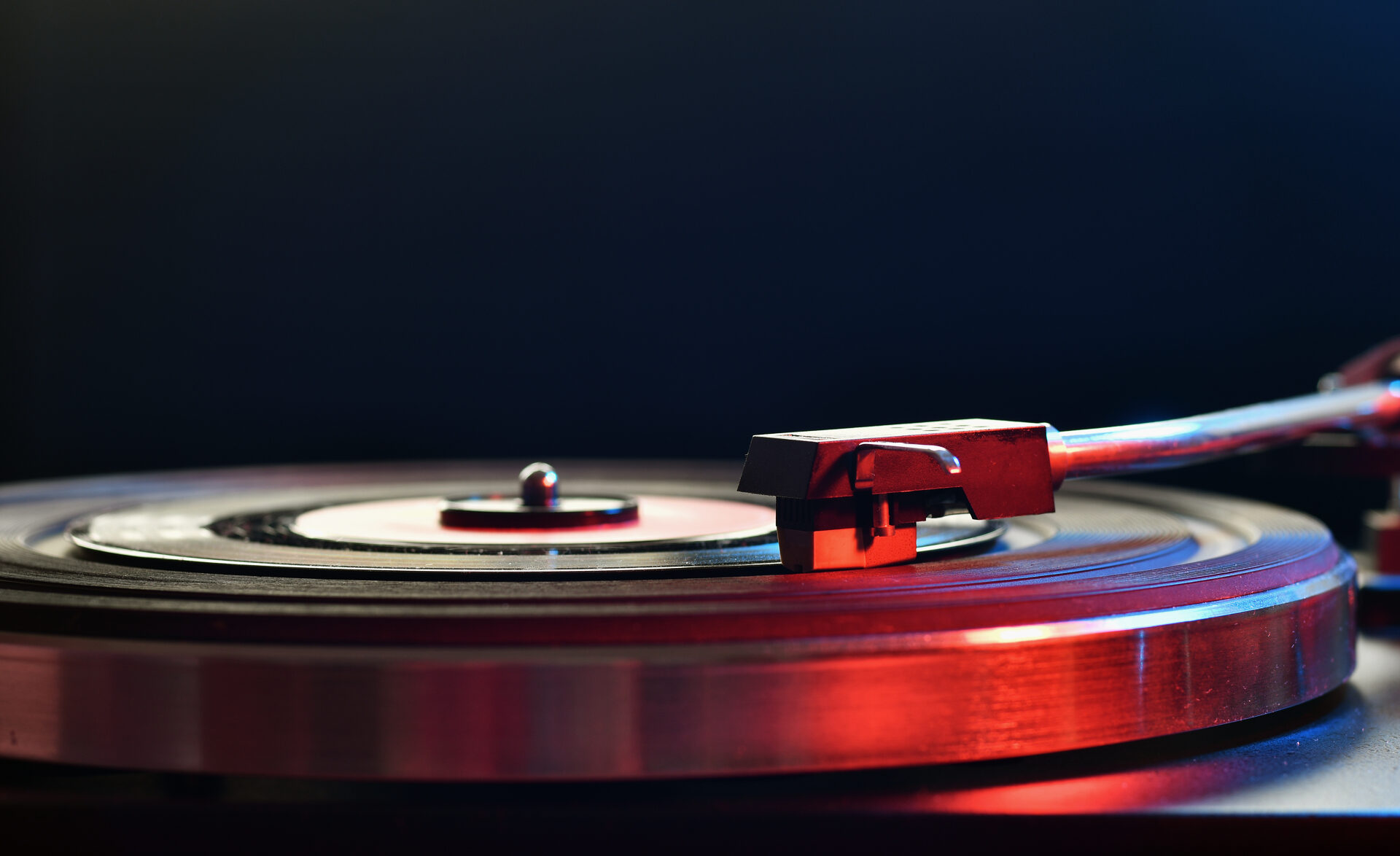
    Here’s the form. (Forty-five minutes for a typical LP. Two chairs facing roughly the same direction, not opposite each other across a table — talking is not the goal, listening is.) No phones in hand. Drinks on side tables. Light low enough that you can close your eyes if a song asks you to. The record gets put on. The needle drops. You listen.

    This is harder than it sounds. The first three minutes you will both feel a faint awkwardness, because we’ve been trained to fill quiet with talking. Don’t. Let the awkwardness pass. By track three you’re inside the album. By the end of side one you’ve forgotten you’re doing a thing. Side two flips. The record ends. There’s a second of silence, and somebody says something, and the conversation that follows is unlike any other conversation you’d have had that evening.

    What you talk about, when you talk: the obvious things — what you noticed, which song surprised you, the lyric that landed. But also the things music opens up — what year you first heard this, who you used to listen to it with, the version of yourself that liked this album fifteen years ago and how you feel about that person now. (Two glasses of wine, a small cheese plate, no other plan for the evening.) The conversation will be different from a dinner conversation. Closer, maybe. Slower.

    A few records that work especially well for this date. Blue by Joni Mitchell — cliché, we know, but the cliché is correct. (Thirty-five minutes. Devastating.) Kind of Blue by Miles Davis if you don’t know each other deeply yet — there’s room inside it. (Forty-five minutes.) In the Aeroplane Over the Sea by Neutral Milk Hotel if you both came of age in the early 2000s. (Forty minutes — heavier than it sounds, sit with it.) A Love Supreme if you can both handle Coltrane sober. Pet Sounds on a Sunday afternoon with a window open. Songs in the Key of Life — that’s a two-evening date, side one and two on a Friday, sides three and four on a Saturday.

    The format also works with album-length pieces that aren’t strictly albums — Spiegel im Spiegel by Arvo Pärt, Music for 18 Musicians by Steve Reich, the second movement of any of the late Beethoven quartets. These are quieter, longer. They’ll change the temperature of the room.

    What you’re really doing on this date is sharing time. (Forty-five minutes is more time than most couples spend looking at the same thing simultaneously in a given week.) The album is the excuse. The shared attention is the substance.

    It’s an old-fashioned thing to do. Old-fashioned things are coming back into fashion. The thing about an album played all the way through is that you cannot half-do it. You either listened or you didn’t. If you both listened — really listened — you’ve done something together that nobody else did with anyone tonight.

    Find your local equivalent

    A turntable is ideal but not required. A good Bluetooth speaker and the original album played in order on a streaming service works. The discipline is in not skipping, not in the medium.

    A note on US record stores

    Most major US cities have a serious record store: Amoeba in LA, Rough Trade in New York, Reckless in Chicago, Bop Street in Seattle, Twist & Shout in Denver. A first-date version of this evening: pick a record together at the store earlier, then take it home and listen. The pre-stage at the store is half the date.

    Listening · Music · Album · Vinyl · Established · Comfortable · Weeknight · Staying In


    From The Scene → My One and Only Thrill →

  • Films That End Better Than They Begin

    Films That End Better Than They Begin

    A movie night curated for patience. Five films that reward the long sit. (~2 hours per film, low-light room, the weeknight you don’t have to be anywhere.)

    There’s a category of film we want more couples to know about: the slow burner. The movie that opens at a register you might mistake for ordinary, builds gradually for an hour, and then — usually in the last act, sometimes in the last five minutes — does something that recasts everything you’ve already seen.

    These films are the wrong choice for a tired night. They reward attention, and tired attention is half-attention. But on a night when you’re both genuinely available (say, eight-thirty start, ninety to one-twenty minutes of run time, a glass of something that lasts the movie), the slow film is its own kind of date.

    Five we’ll defend.

    Past Lives (2023) — Celine Song’s first feature opens deceptively. Two children, then a long quiet middle, then a meeting in New York that lasts maybe twenty minutes of screen time. The whole movie is built around what isn’t said in those last twenty. (One hour, forty-five minutes — about right for a Sunday.) It will not knock you over in the first half hour. Stay for the second.

    Phantom Thread (2017) — Paul Thomas Anderson, Daniel Day-Lewis. The movie seems to be about fashion and obsession and male temperament for most of its running time. Then there’s a scene with mushrooms and the whole frame tilts and you realize the movie has been about something else this entire time. (Two hours, ten minutes. Worth every minute.)

    The Long Goodbye (1973) — Robert Altman, Elliot Gould. Looks like a shaggy detective movie, sounds like one, seems to be wandering for a long time. The last scene is one of the four or five most surprising endings in American film. (About one hour, fifty.) If you both like noir, this is the gift.

    Drive My Car (2021) — Hamaguchi. Three hours, do not be afraid of three hours, the three hours are the point. (Three hours exactly. Plan for it.) The first hour is setup. The second hour is the movie reorganizing itself. The third hour is everything paying off. By the final scene you’ll feel like you’ve been somewhere.

    Marriage Story (2019) — Baumbach. Funnier than its reputation. The first half is observational and warm, the second half is harder, and the very last scene is a small kindness that recontextualizes the whole movie. (Two hours, sixteen minutes. Cry if you need to.)

    These are best watched without phones, without pausing for snacks halfway, without splitting attention. The deal you make is: you’re in for the duration. The movies are designed assuming you’re paying attention. Honor that and they’ll honor you.

    What we love about a slow film together is what happens after. The credits roll and you don’t have anything to say yet. You sit there. One of you finally says something — usually a small observation, not a verdict. The other one builds on it. Twenty minutes later you’re still talking about it, walking around the kitchen now, putting glasses in the sink. The movie’s done its job.

    Find your local equivalent

    Look at the Criterion Collection, MUBI, and the streaming pages of major American directors over fifty. Avoid recent action releases for this date. The slow burn is the genre — pick anything that fits.

    A note on US streaming

    Past Lives rotates between streaming services — check JustWatch. Phantom Thread is on Netflix or rentable on Apple TV. The Long Goodbye lives on the Criterion Channel. Drive My Car similarly. Marriage Story is Netflix. A library card to Kanopy will get you most of the others for free.

    Watching · Films · Slow Burn · Movie Night · Established · Comfortable · Weeknight


    From The Scene → Past Lives →

  • The 9 PM Reservation

    The 9 PM Reservation

    A late dinner that resets the shape of the evening. (~2.5 hours, no rush, restaurant of substance, established couple or comfortable new one.)

    There’s a reservation slot most people skip, and it might be the best one. We’re talking about nine, or nine-fifteen — late enough that you arrive after the dinner-rush surge has crested and the kitchen has settled into its rhythm, early enough that the room is still alive.

    The seven o’clock seating is for people who treat dinner like a thing to get through. Eight is the standard date — fine, but the room is at peak volume, the staff is in the weeds, and you can feel the table being turned. Nine is something else. The waiter has a moment to actually talk to you. The kitchen has time. The wine list opens up because the bottle you wanted has already had the dust knocked off it for someone else’s table.

    You should plan around it, though. A nine reservation means you eat (for two-and-a-half hours, give or take), which means you’re walking out the door close to eleven-thirty. That’s its own kind of evening. You don’t need to plan something after. The dinner is the thing.

    What we like to do: meet for a drink first, somewhere unhurried, (forty-five minutes earlier, maybe a quarter to eight). A glass of something cold, light food if you want it — some olives, a small plate. The drink before is the warm-up. By the time you walk into the restaurant at five-of-nine, you’re already mid-conversation, already loose. You’ve cleared the small talk before the menus arrive. The dinner gets to start at the place dinners usually arrive at around the second course.

    Pick the restaurant carefully. The nine-o’clock seat works at restaurants that have a real second wave — the ones that stay open until eleven and have a small late menu, or where the bar fills back up after ten with industry people. It does not work at places that close their kitchen at nine-thirty. You’ll feel it — the urgency seeping in, the staff folding napkins at the next table. The restaurant should welcome a late table. Some specifically prefer them.

    Order with the time in mind. (A starter you both share, a mid-course, two mains, a dessert if you’ve got room — or one dessert and two spoons.) The pace at nine is naturally slower. You can take an aperitif. You can have a real conversation between the appetizer and the entrée. (Two glasses of wine each, no more. Three is too much for what comes after.) The waiter, having more time, will tell you things. They’ll mention the off-menu thing. They’ll let you taste a glass before you commit. Use this. It’s part of why you’re there at nine and not at seven.

    By the time you finish the meal, the room has thinned. There’s a different feeling — the survivors. The couples and friend groups who chose this hour are the ones who like the night. There’s a slight conspiratorial quality to the late dining room. You’re all in on the same secret.

    When you leave, the city is quieter than it would have been at ten. There are fewer cabs, but you don’t need a cab. The walk home will be exactly the right distance. You won’t go anywhere else. You don’t need to.

    Find your local equivalent

    Look for a restaurant that openly takes 9 or 9:15 reservations on a weeknight without making it feel like an accommodation. Bistros, tasting-menu places, and any restaurant with a separate bar menu after 10 are good signs. Avoid restaurants whose Google hours close at 10 sharp — the kitchen is winding down at nine.

    A note on US cities

    In New York, the nine-o’clock reservation is built in — places like Estela, Wildair, and Frenchette take it as a matter of course. In LA, try Bestia or Felix at the late slot. In Chicago, anywhere in the West Loop after nine. Smaller cities: the one good restaurant in town that’s also open Monday is usually the one to call.

    Dining · Late Dinner · Restaurant · Weeknight · Weekend · Established · Comfortable