Date Night — Listening
Some evenings want a night out, and some want the night out brought home, set on a small table in the corner of the living room with one lamp and two glasses. This is the second kind. Tonight the room becomes a jazz club, and the band is already booked.
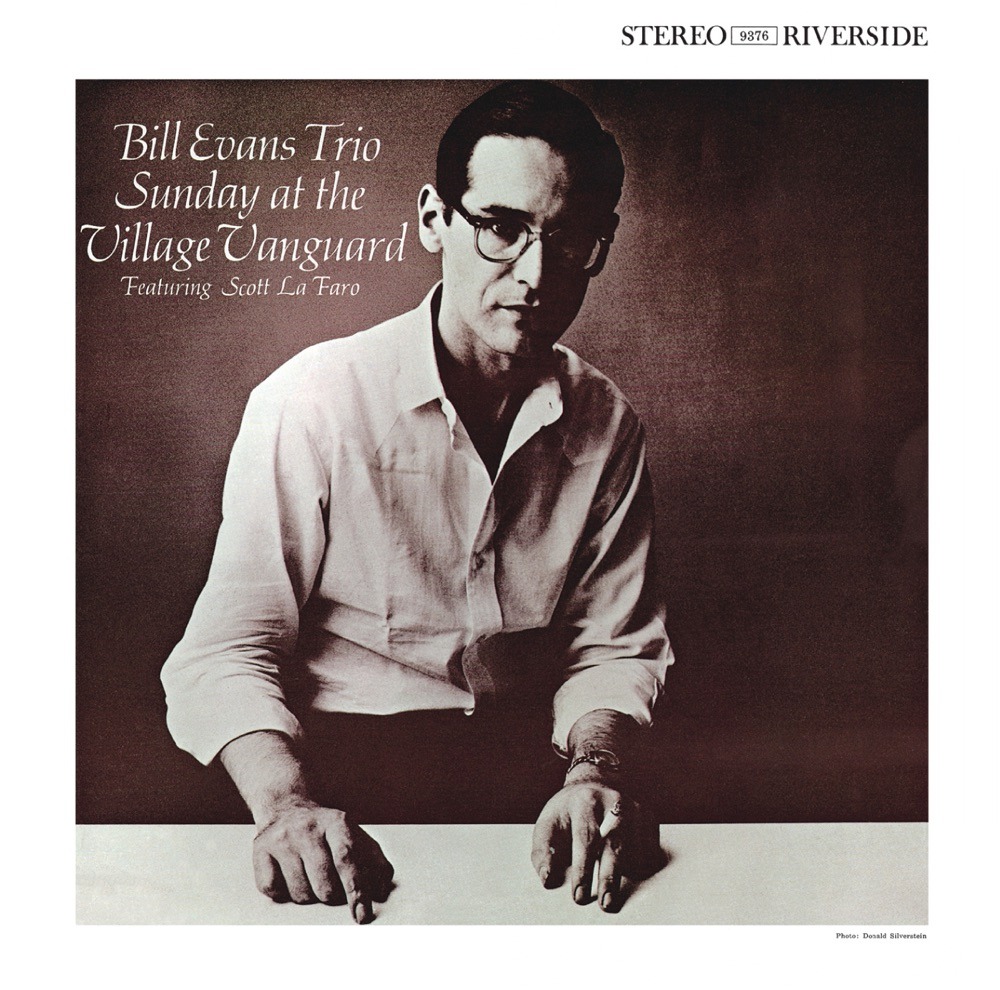
On June 25, 1961, the Bill Evans Trio played at the Village Vanguard in New York, with Bill Evans at the piano, Scott LaFaro on bass and Paul Motian on drums, and the tapes from that Sunday became Sunday at the Village Vanguard. It is a live record, and you can hear the room in it. That is exactly why it works at home.
THE EVENING
Start by making the room smaller. Turn off the overhead light and every lamp but one, and set that one low and to the side, so the corners fall away and the room shrinks to the size of a club table. Clear a little table, a side table will do, and put two chairs at it, close together and angled toward the speakers rather than toward each other. That is how people sit in a jazz club. Shoulder to shoulder, facing the band.
Make the martinis before the record starts, because nobody should be shaking a tin while a trio is playing. A dry martini, stirred, cold enough that the glass fogs, with a twist or an olive as each of you prefers. Put a small plate of something salty and warm between you, and leave it there. A club table is never empty and never full.
Dress a little, if you like. Not for an occasion, only enough to make it feel like an evening and not a weeknight on the sofa. A good shirt, a dark dress, shoes on. It is a small effort, and it tells the other person that you meant to be here.
Then put the record on and keep the volume where a club keeps it, present but not loud. Talk, quietly, between tunes, the way people do at a table near the stage. When the trio starts again, stop talking and listen. That rhythm of murmur and attention is the whole pleasure of a jazz room, and two people can make it anywhere.
Listen especially to the bass. It does not sit at the back of this music. It talks with the piano as an equal, and the drums move under both of them like a third voice keeping its own counsel. Point it out to each other, a nod or a hand on an arm, when you hear the three of them turn a corner at the same moment. You will start to hear the room as well, the small applause, the clink of a glass somewhere near the stage, and you will feel, for a minute, that you are sitting in it.
WHAT IT WILL DO
A live record does something a studio album cannot. It puts you in a room with other people on a particular night, and it lets you share that night with the person beside you. By the second side you will have stopped hearing a recording and started hearing an evening, and your own evening will have quietly joined it.
It slows the talk down, too. You will say less than you would at dinner, and what you say will be better, because the music keeps cutting the conversation into small, chosen pieces. Couples who rarely sit still together find that a jazz table gives them permission to.
When the record ends, leave the lamp on and the glasses where they are. Sit a little longer at your little table in the dark, finishing the last of the martinis and saying the things the music left room for. The band has gone home, and the club is yours.
From the kitchen: a club table wants something small and warm from the oven, and Gougères, recipe by Charlotte Rutledge, on King Arthur Baking, are made for a martini and a low lamp.
The record keeps its place on Amazon for anyone who wants the trio in the house.
Pairs with: Sunday at the Village Vanguard
POUR — A dry martini, stirred.
MOOD — One lamp, a small table, two cold glasses and a trio playing in the next room.
Some links in this piece are affiliate links, and as an Amazon Associate I earn from qualifying purchases, at no extra cost to you.

















Leave a Reply