late

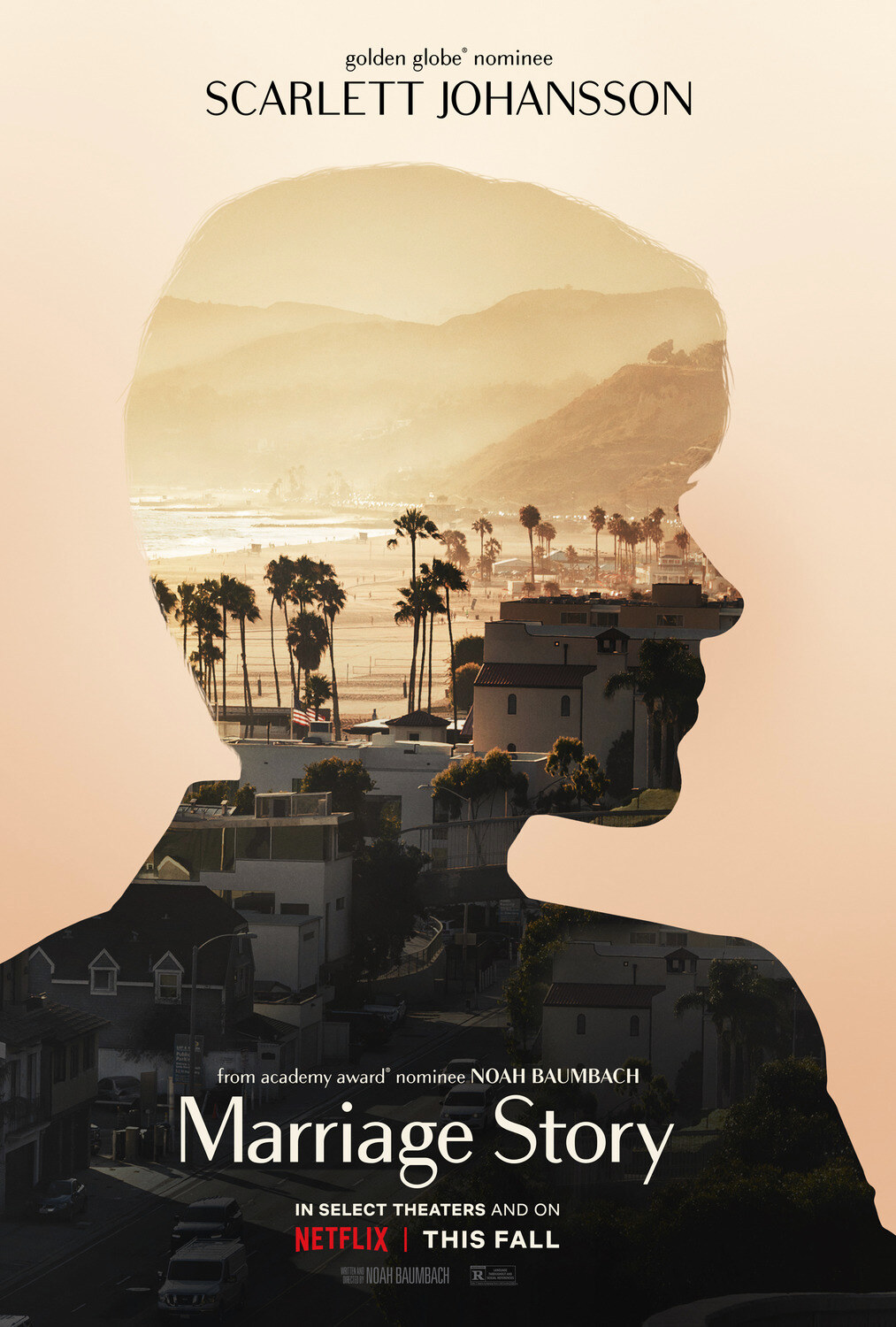
  • Marriage Story

    Marriage Story

    2019  ·  R  ·  Film

    A film about the end of a marriage that turns out to be about what survives it.

    Noah Baumbach’s Marriage Story follows a theater director and an actress through a divorce that neither of them quite wanted and both of them are now required to navigate. Adam Driver and Scarlett Johansson are both extraordinary — the film is essentially a two-hander with excellent supporting turns from Laura Dern and Ray Liotta on the legal flanks. The first half is warm and observational and quietly devastating; the second half is harder, angrier, more honestly ugly. The argument scene in the middle is one of the most uncomfortable things in recent American cinema. Then the very last scene happens — a small, unguarded moment — and the whole film reorganizes itself around it.

    Fairer warning than it gets: this film is not easy viewing for couples in any kind of turbulence. But for a relationship with solid ground under it, it is a valuable and surprisingly funny film about what two people who love each other can do to each other when the structure changes. The soundtrack by Randy Newman is doing something specific and important throughout. The ending will stay with you.


    VERDICT  ·  Funnier than its reputation, harder than its first half, and kinder at the end than it has any right to be.

    POUR  ·  A natural wine, something a little unsettled. Or whatever you’d open on a night that might get complicated.


    Planning an evening around this? Films That End Better Than They Begin →

  • The Long Goodbye

    The Long Goodbye

    1973  ·  R  ·  Film

    A detective film that wanders like it has nowhere to be — until the last five minutes, which have somewhere very specific to go.

    Robert Altman’s 1973 film is a loose, unhurried adaptation of Raymond Chandler’s Philip Marlowe novel, but it uses the source material the way jazz uses a standard: as a point of departure rather than a destination. Elliott Gould plays Marlowe as a man slightly out of time — a 1950s archetype dropped into 1970s Los Angeles, where everything has changed and nobody told him. The film meanders through the canyon and the beach and the Santa Monica money with what seems like amiable indifference. Then the last scene arrives. It is one of the four or five most surprising endings in American film, and it recontextualizes everything that came before it in about thirty seconds.

    Best watched late when you are in the mood for something that does not announce itself. The rhythm is unhurried — almost deliberately shaggy — and that rhythm is the point: Altman wants you slightly off-guard when the ending comes. Pair it with someone who likes noir and is willing to sit with a film that doesn’t seem to be going anywhere. The going-nowhere is the whole setup.


    VERDICT  ·  Wanders for ninety minutes and then ends with one of the most surprising scenes in American cinema. Stay.

    POUR  ·  A bourbon, rocks, something that goes with Los Angeles and moral ambiguity.


    Planning an evening around this? Films That End Better Than They Begin →

  • Phantom Thread

    Phantom Thread

    2017  ·  R  ·  Film

    A film that seems to be about one thing entirely until it quietly reveals it has been about something else.

    Paul Thomas Anderson’s Phantom Thread follows Reynolds Woodcock, a London couturier of the 1950s played by Daniel Day-Lewis in his final screen performance, and Alma, the woman who enters his life and refuses to leave it on his terms. The film’s first hour is a portrait of obsessive craft and controlled domesticity — beautiful, precise, slightly suffocating. Then a scene with mushrooms arrives and the entire frame tilts, and you understand that the film has been telling a different story than you thought. The power dynamic reverses, the love story recasts itself, and the last act is unlike anything in the preceding two hours. Day-Lewis is extraordinary throughout. So is Vicky Krieps.

    Watch it on a night when you have patience for a slow build — it earns every minute of its two hours and ten. Best with someone willing to discuss it afterward, because the ending prompts a particular kind of conversation about love and control and what it means to choose someone who is, in some essential way, impossible. The Jonny Greenwood score does something to the room. You’ll notice it.


    VERDICT  ·  A film about control and surrender that keeps switching who has which.

    POUR  ·  A dry sherry, or a late-harvest Riesling. Something with complexity and a little danger.


    Planning an evening around this? Films That End Better Than They Begin →
  • Stop Making Sense

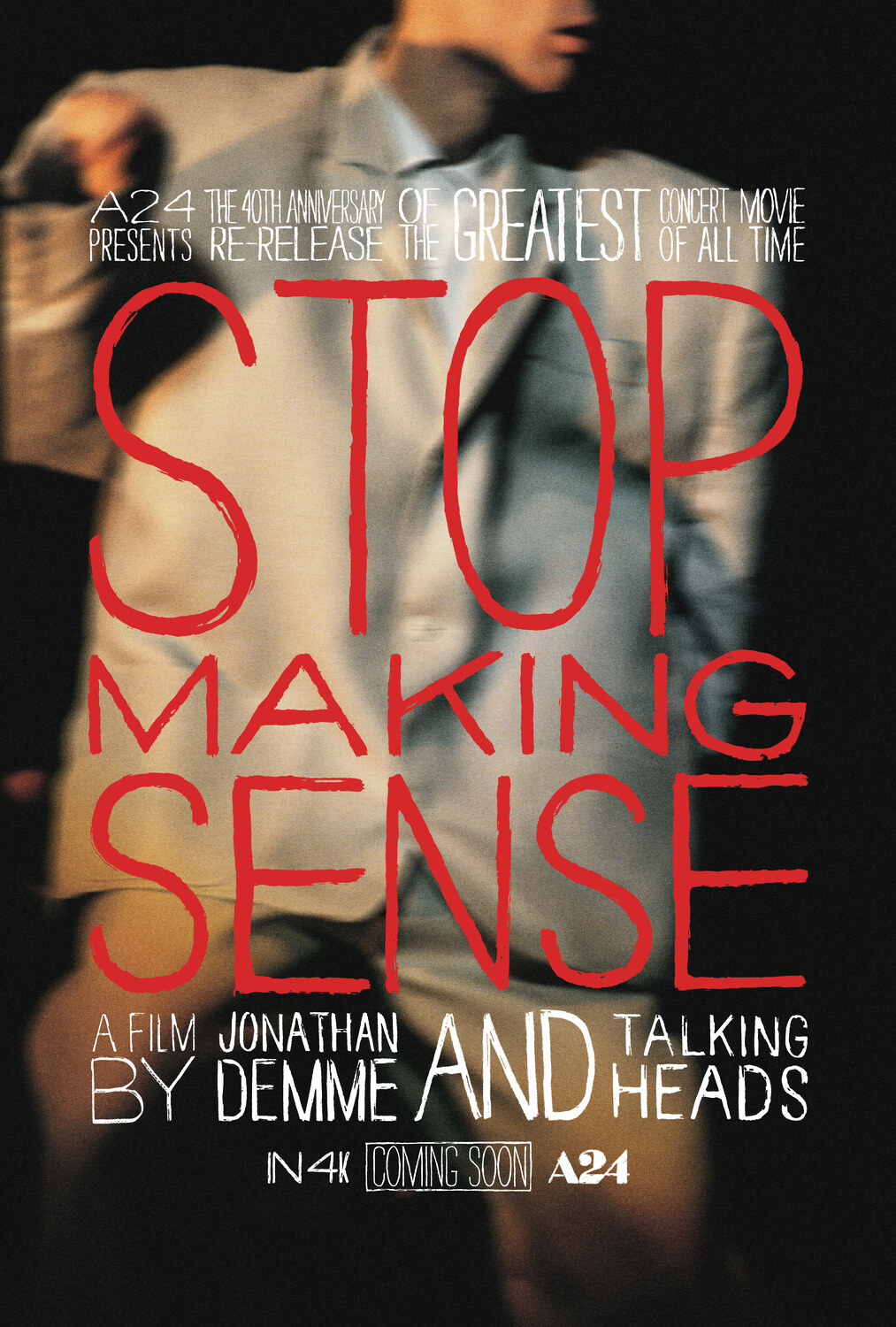
    Stop Making Sense

    1984  ·  PG  ·  Concert Film

    The best argument for going — even when you almost didn’t.

    Jonathan Demme’s film of the Talking Heads’ 1983 Stop Making Sense tour is the concert film against which all others are measured, and most do not measure up. It begins with David Byrne alone on stage with an acoustic guitar and a boom box, playing Psycho Killer to a nearly empty set. Over the next hour and forty minutes, the band assembles around him piece by piece — bass, drums, keyboards, backing singers, full percussion — until the stage is full and the sound is enormous. The structure is a piece of theatre as much as a documentary, and Demme understood that the best way to film a concert is to let the performance be the film. No cutaways to the audience. No interviews. Just the stage, the light, and one of the great live bands at the height of their powers.

    Watch it the way you would attend the concert — with the volume up and nowhere to be afterward. It is ninety-nine minutes long and does not feel it. Byrne’s big suit, the choreography of Heaven, the escalating joy of Girlfriend Is Better — these are things that improve with a second viewing and a good room. Best shared, though it works alone. It has the specific quality of making you feel that you were there, and also that being there would have been one of the better evenings of your life. Which is exactly what a concert film should do.


    VERDICT  ·  The concert film. Full stop.

    POUR  ·  Whatever you would have bought at the bar. Cold beer is correct here.


    Planning an evening around this? The Concert You Almost Skipped →

    Find the Record

    Stop Making Sense on vinyl — or the restored film if you haven’t seen it on a proper screen.

    See on Amazon →
  • Rumours

    Rumours

    1977  ·  Warner Bros. Records  ·  Album

    The album everyone arrives at differently — and leaves talking about.

    Rumours was recorded while the band was falling apart. The two couples at its center — Buckingham and Nicks, McVie and McVie — were separating mid-session, and the songs they wrote about each other ended up on the same record they all had to finish together. The result is one of the stranger achievements in pop music: an album of extraordinary craft and surface polish that is, underneath, entirely about people in pain. It does not sound like it. It sounds like the radio at its very best. But the more you listen, the more the architecture reveals itself — the counterpoint between the songs, the way each track responds to the one before it, the careful arrangement of grievances into something that coheres. Eleven songs, forty minutes, no wasted moments.

    Put it on when you want music that will prompt a conversation rather than replace one. Everyone has a relationship with this record — a memory, a strong opinion about which track is the best, a story about when they first heard it properly. It works as background until it doesn’t, which is its particular quality: it lets you ignore it and then doesn’t. Best on a weekend evening early enough that there is still time to talk. If you have not heard it as an adult, hear it again. It is not the album you think it is.


    VERDICT  ·  Not the album you think it is — better, and sadder, and worth your full attention.

    POUR  ·  A Californian Chardonnay, something with a little age. Or whatever opens the conversation.


    Planning an evening around this? The Playlist You Build Together →

    Find the Record

    Rumours on vinyl. You probably know every word. That’s the point.

    See on Amazon →
  • Slow Horses · Season 1

    Slow Horses · Season 1

    2022  ·  TV-MA  ·  Series · Season 1

    A spy series that treats its audience the way its protagonist treats his superiors — with barely concealed contempt and a great deal of intelligence.

    Slow Horses is adapted from Mick Herron’s novel of the same name and concerns Slough House, a dumping ground for MI5 agents who have committed career-ending errors and been reassigned to bureaucratic purgatory rather than dismissed outright. Jackson Lamb, their handler, is played by Gary Oldman in what might be his finest television performance — a man of profound intelligence disguised as spectacular indifference, eating badly and manipulating everyone in the room. The show is a spy thriller in the same sense that a good whisky is a drink: technically accurate but beside the point. What it is really about is failure, and competence, and the distance between the two. Six episodes, each one precise. It does not waste a scene.

    Watch it over two or three evenings rather than all at once — it rewards the kind of attention that a single sitting tends to blur. Best in the late hours when the day has already made its demands and you want something that will engage without requiring enthusiasm. It is not a cheerful show, but it has a dark wit that surfaces in exactly the right moments, and the ending of the season lands cleanly without the usual hedging. Each season adapts a different Herron novel, which means the show has natural stopping points and a clear sense of its own shape. Start here.


    VERDICT  ·  The best spy series in years — and the least interested in being one.

    POUR  ·  A blended Scotch, nothing precious. Lamb would insist.


    Planning an evening around this? The Documentary Dinner →

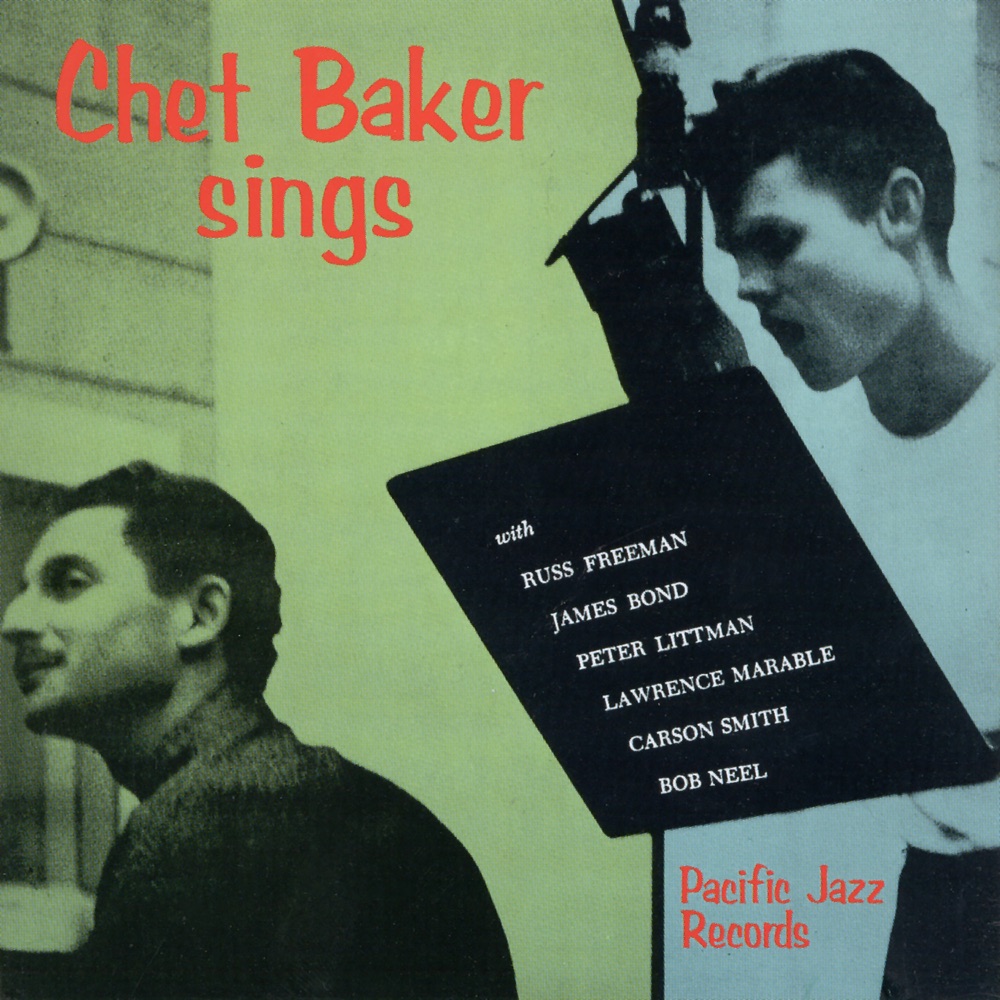
  • Chet Baker Sings

    Chet Baker Sings

    1954  ·  Pacific Jazz  ·  Album

    The voice that made vulnerability sound like the most elegant thing in the room.

    There are very few voices in recorded music that operate at the frequency Chet Baker’s does on this album — intimate to the point of confession, and technically impeccable in a way that never announces itself. Recorded in 1954 when Baker was twenty-four, the album catches him at the peak of his particular gift: a sound that seems to come from somewhere just behind the microphone, slightly too close, slightly too honest. The arrangements are spare — piano, bass, drums, occasionally a few reeds — and they give his voice room to do what it does. My Funny Valentine is here, in the version that made the song permanently his. But the lesser-known tracks carry equal weight. The whole album is of a piece.

    Play it late, when the apartment is quiet and the evening has run out of things to do. It is one of those records that improves with attention — the more you listen, the more you notice what is not being played, the space that the musicians are leaving for the voice to occupy. It suits a certain kind of melancholy that is not unpleasant — the melancholy of a night that is going well but will eventually end. Best heard alone, or with someone comfortable enough that silence between the tracks needs no filling.


    VERDICT  ·  Seventy years old and still the most intimate record in the room.

    POUR  ·  A gin martini, stirred. Or nothing at all — this album doesn’t need accompaniment.


    Planning an evening around this? The Vinyl and Nothing Else →

    Find the Record

    Chet Baker Sings on vinyl. A pressing worth owning. This one doesn’t age.

    See on Amazon →
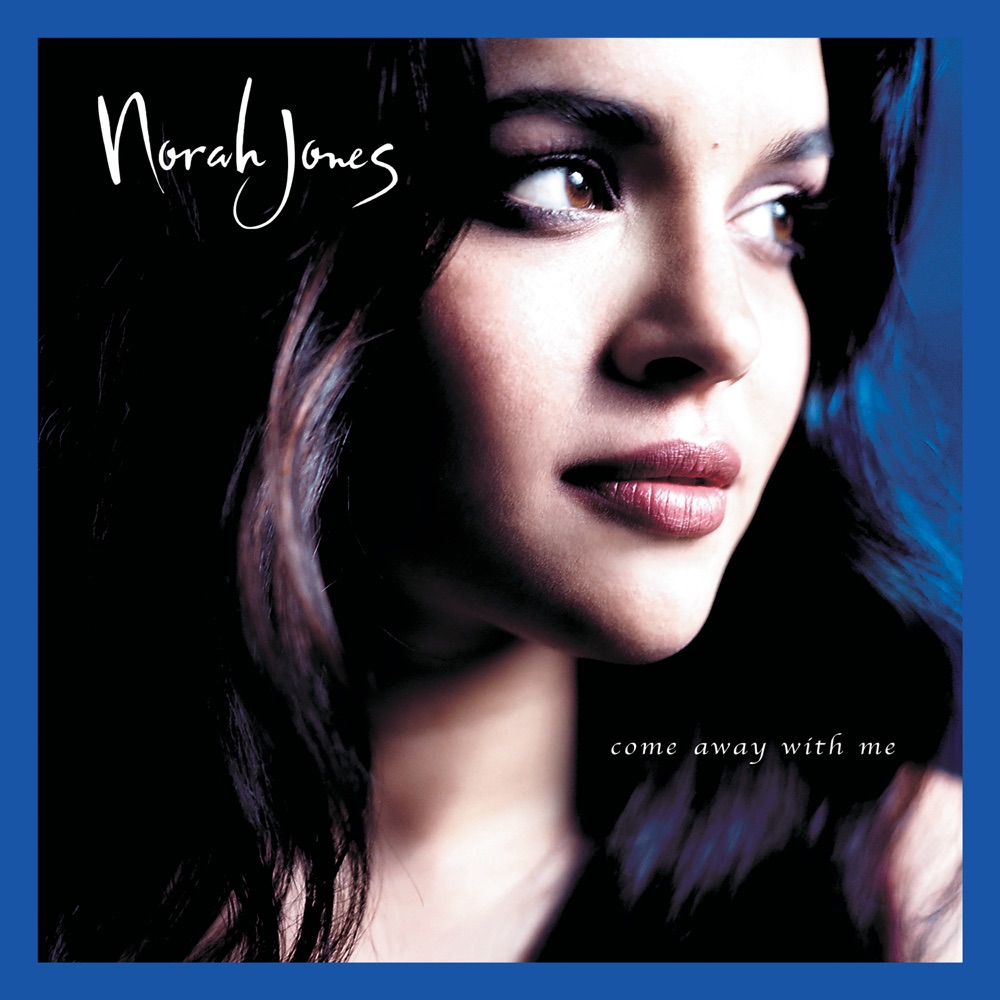
  • Come Away With Me

    Come Away With Me

    2002  ·  Blue Note Records  ·  Album

    The album that made late-night feel like a place worth staying.

    Come Away With Me arrived in 2002 and promptly sold ten million copies, which is the kind of success that can make a record seem more ordinary than it is. Set against it now, the album holds up not as a phenomenon but as a quietly achieved thing: a collection of songs that know exactly how much room to take up. Norah Jones’s voice is warm without being cloying, and she plays piano with a restraint that gives the arrangements space to breathe. The production by Arif Mardin is tasteful in the original sense — it serves the songs rather than decorating them. There are no wasted moments on this record. Every track earns its place.

    Put it on when dinner is finished and nobody has moved from the table yet. It suits the end of an evening better than the beginning — the point when the candles have burned down and the conversation has moved past the things you were saving to say. It works at low volume, on a Sunday when the apartment is quiet, or in the background of something that deserves a soundtrack. The title track and the closing number bracket the album with something close to a complete emotional statement. Not every debut pulls that off.


    VERDICT  ·  The album that made an ordinary evening feel worth having.

    POUR  ·  A bourbon, neat and unhurried. Or whatever is already poured.


    Planning an evening around this? The Vinyl and Nothing Else →

    Find the Record

    Come Away With Me on vinyl. One of those pressings that still holds up. A good room deserves a good copy.

    See on Amazon →
  • Before Sunset

    Before Sunset

    2004  ·  R  ·  Film

    Eighty minutes in real time, one afternoon in Paris — a film about the conversation you keep returning to.

    Richard Linklater’s sequel to Before Sunrise is set entirely in the hours before a plane departs, which gives the whole film an undertow that never announces itself but is always there. Nine years have passed since Jesse and Céline spent a night in Vienna. They meet again in a Paris bookshop and walk and talk until a taxi finally stops in front of her apartment building. Ethan Hawke and Julie Delpy wrote much of their own dialogue and it shows — in the best way. The film sounds like two real people catching up, which means it sounds like two real people carefully circling everything they actually want to say. It is the rarest kind of sequel: one that earns the original by deepening it.

    Watch it with someone you have history with, or alone if the history is internal. It does not require having seen Before Sunrise, though that film gives this one more weight. The ending — the last few minutes in her apartment, the final line — is one of the best in American cinema of the decade, and lands differently each time depending on where you are. Best seen in the evening, when the light outside is doing something similar to what Paris is doing on screen.


    VERDICT  ·  The sequel that earns everything the first film promised.

    POUR  ·  A glass of Burgundy, something with a little age. Or a café au lait if the evening is long.


    Planning an evening around this? The Foreign Film Night →

  • Lost in Translation

    Lost in Translation

    2003  ·  R  ·  Film

    A film about the particular loneliness of being somewhere beautiful with the wrong people — or almost the right one.

    Sofia Coppola’s third feature is one of the quieter achievements in American cinema — a film that holds loneliness and tenderness in the same frame without choosing between them. Bill Murray and Scarlett Johansson play two Americans adrift in Tokyo: an aging actor there for a whisky campaign, a young woman accompanying her largely absent husband. What passes between them is not quite romance and not quite friendship — it is something more honest than either, the recognition of a shared displacement that neither can quite name. The film does not hurry. It lets the city breathe around its characters and trusts that the audience will sit with the silences.

    Watch it late, or on a night when sleep is not coming easily. It rewards the kind of attention that is slightly tired and slightly open — when the defenses are down and a film can reach places that daylight watching won’t allow. It is particularly good when you have recently been somewhere unfamiliar and alone, or when you are with someone you haven’t quite figured out yet. The ending is unresolved in exactly the right way. Some films earn their ambiguity. This one does.


    VERDICT  ·  A film that knows what it’s about without saying it aloud.

    POUR  ·  A whisky highball, light on the ice. Or whatever the minibar offers at 4am.


    Planning an evening around this? The Foreign Film Night →