
Date Night — Listening
Most people stopped slow dancing somewhere along the way, at the last wedding or the one before it, and never quite noticed that it had gone out of their lives. It comes back easily. All it needs is a record, a cleared patch of floor and someone willing to stand up first.
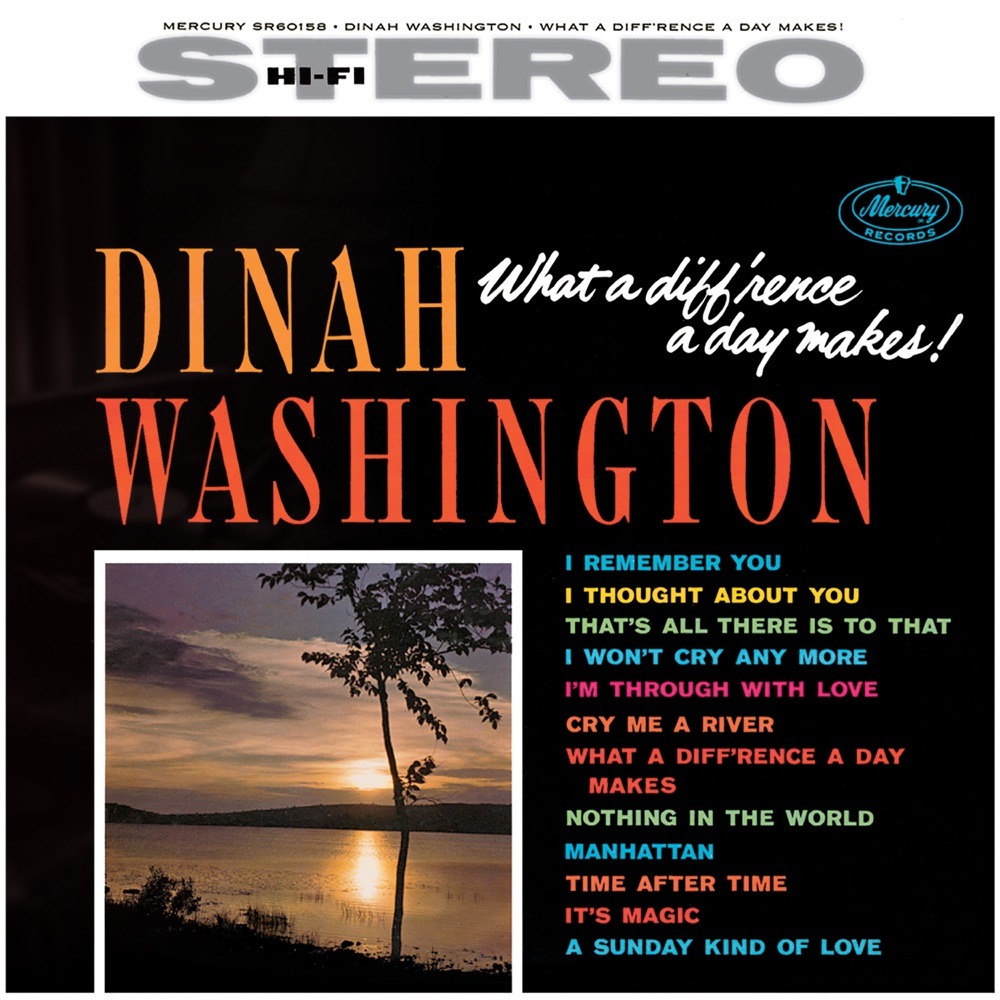
Tonight the record is What a Diff’rence a Day Makes!, Dinah Washington’s album from 1959, arranged by Belford Hendricks, with the title song at its heart. It is a ballad record, unhurried and warm, and it asks for exactly the kind of dancing that two people can do in a living room without any lessons at all.
THE EVENING
Begin with dinner, and keep it a dinner for two in the old style, something cooked in one pan and brought to the table still sizzling, the kind of meal that belongs to a supper club with white tablecloths. Eat slowly. Leave the plates. The dishes will still be there in the morning, and the night has better uses for you.
While the other one pours the rye, push the rug back. Move the coffee table to the wall if you have to. You do not need much room, only enough for two people to turn in a slow circle without catching a shin on a chair. Turn off the overhead light and leave one lamp on, low, in the far corner, so the floor is in a soft half-dark and nobody feels watched.
Put the record on and sit down first. Listen to a song or two from the sofa, glasses in hand, letting the voice fill the room. Washington sings these songs close, as if the microphone were a person, and after a while the sofa starts to feel too far away from the music.
Then one of you stands and holds out a hand. That is the whole invitation, and it is still one of the loveliest things one person can offer another. No steps to remember. One hand at the waist, one hand held, cheek near cheek, and a slow sway that turns, a little at a time, around the patch of floor you cleared. Shoes off, if you like. Socks on a wooden floor are the best dance shoes ever made.
Do not talk much. Let the arrangements carry you, and let the songs end and begin again without breaking the hold. If the record runs out, turn it over and come straight back. A slow dance is not a performance. It is a way of standing very close to someone for a long time without needing a reason.
WHAT IT WILL DO
A slow dance does something that sitting side by side cannot. It puts you face to face, at the height of each other’s shoulders, close enough to feel a breath and hear a hum under the singing. Couples who have been together for years find they have not stood like this in a long while, and that their bodies remember how.
It slows the evening right down. The week falls away somewhere around the second song, and what is left is a small room, a warm voice and the person you came home to. The talk that follows, back on the sofa with the last of the rye, is softer and more honest than the talk at dinner.
And it leaves a memory with a soundtrack. Weeks from now, one of you will hear the title song somewhere ordinary, in a shop or on the radio, and remember the rug pushed back and the lamp in the corner. That is what a good record does for a marriage.
From the kitchen: a supper-club dinner wants something brought to the table in the pan, and Steak Diane, recipe by Barney Desmazery, on BBC Good Food, is made for two and for exactly this kind of evening.
For the night you clear the floor, the record can be found on Amazon.
Pairs with: What a Diff’rence a Day Makes!
POUR — A glass of rye.
MOOD — The rug pushed back, one lamp in the corner, socks on a wooden floor and a voice singing close.
Some links in this piece are affiliate links, and as an Amazon Associate I earn from qualifying purchases, at no extra cost to you.















Leave a Reply