The last car pulls away from the curb, its headlights sweeping once across the front window, and the two of you stand in the hall with the door just closed behind you, listening to a house that was full of voices an hour ago and is now so quiet you can hear the refrigerator. Nobody moves for a moment. This is the hour.
For some it came last night, after the big meal, and for others it comes tonight or on Sunday, when the cousins finally load the car and the guest room is handed back. Whenever it arrives, it deserves better than plates scraped in silence and a tired fall into bed. It is the best hour of the whole holiday, if you let it be.
Begin by not beginning. Leave the dishes where they are for ten minutes. Pour the last of whatever was open into two glasses, the good ones if any are clean, and sit somewhere that is not the dining table: the kitchen step, the arm of the sofa, the floor in front of the fire with your backs against a chair. The mess can wait. It is not going anywhere.
Then tell each other the day. This is the part nobody else gets to hear. Who said what over the gravy, the uncle who told the same story as last year and the year before, the moment the youngest fell asleep under the table, the look you gave each other across the room when the conversation turned difficult and you both decided, without a word, that it was time for pie. A day like this is lived in fragments. The hour after is when the two of you put it back together and decide which parts to keep.
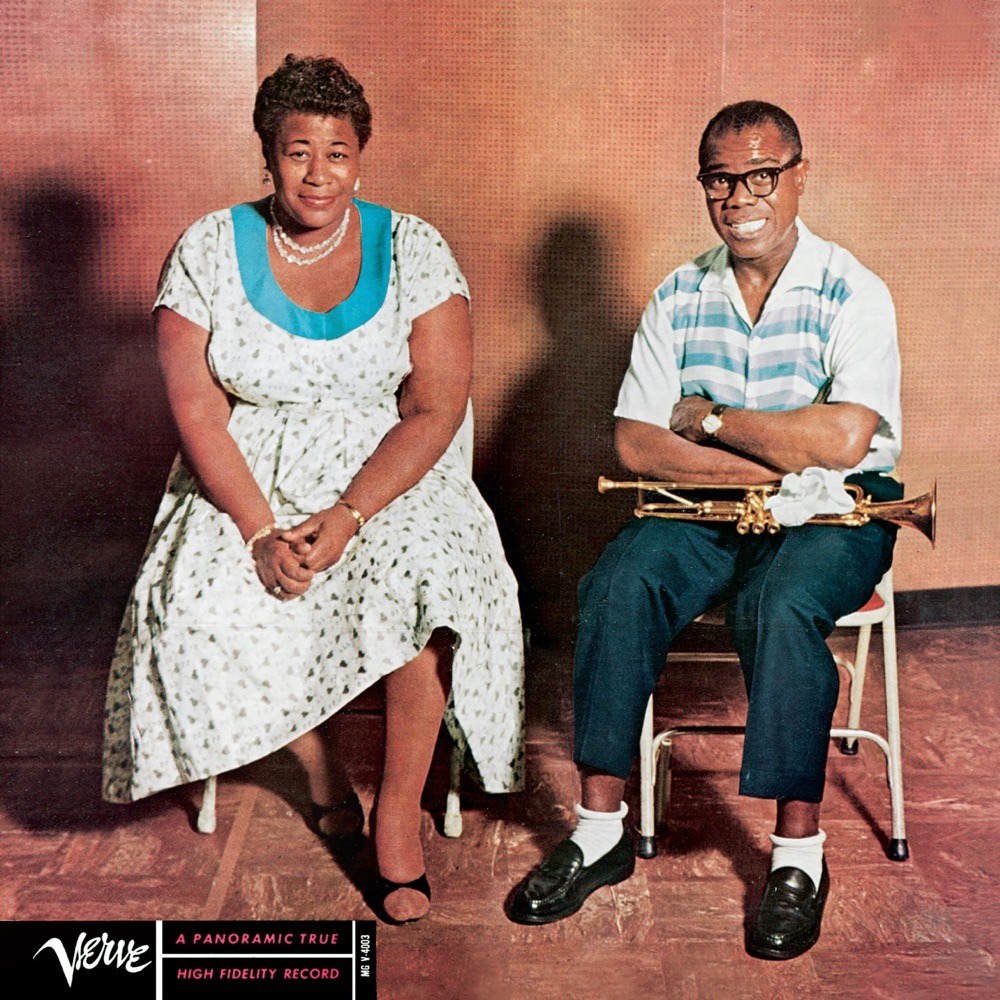
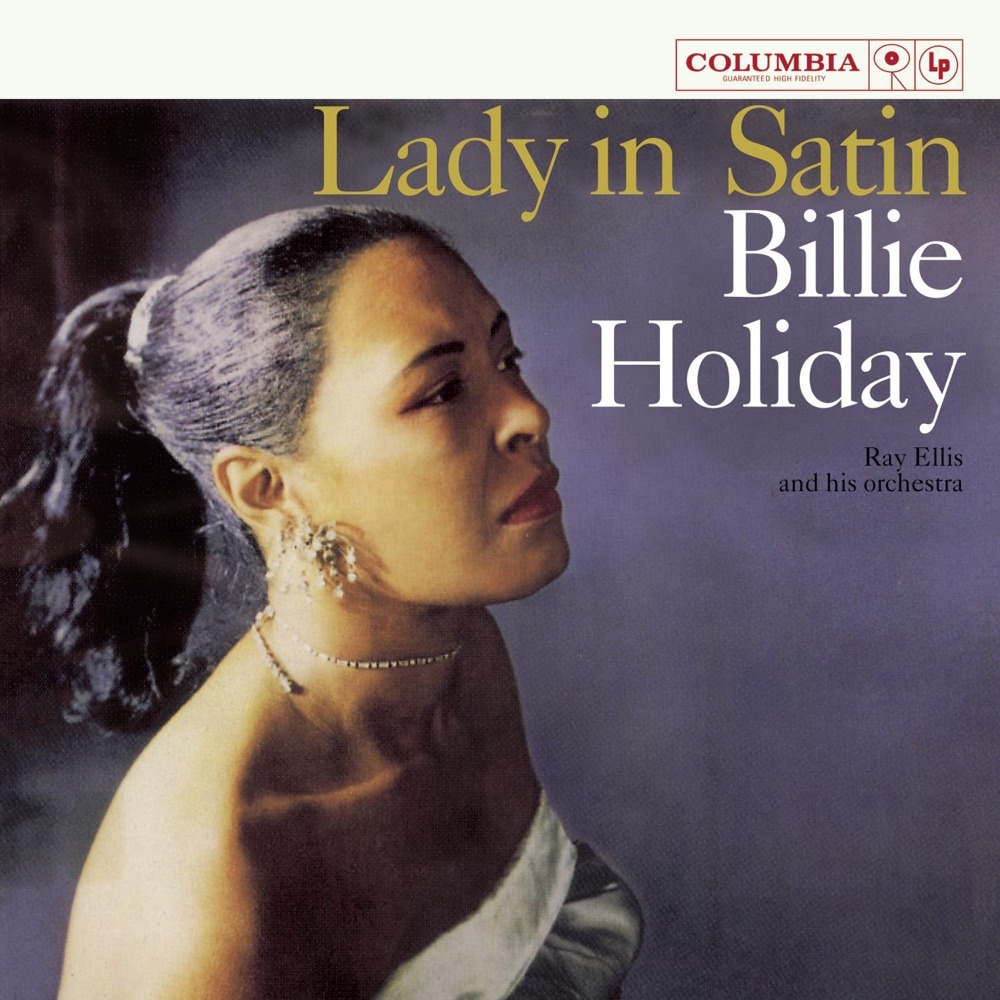
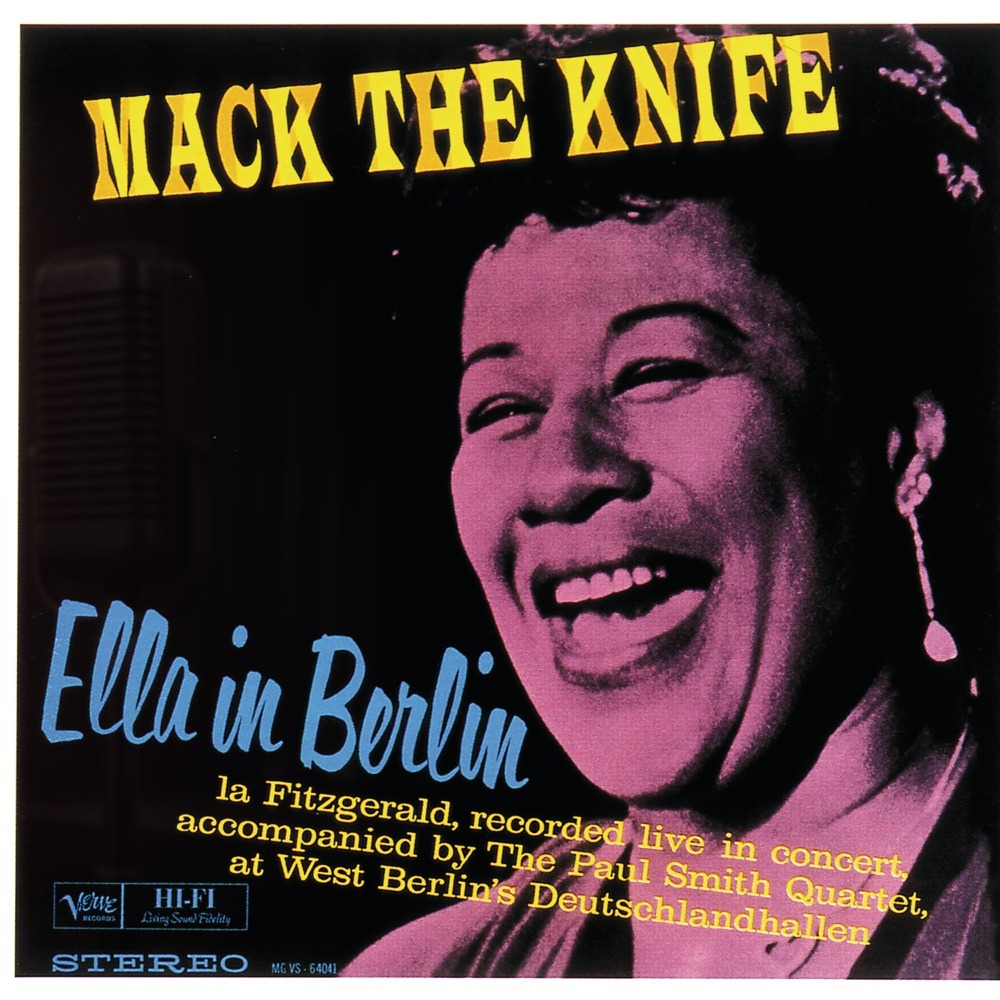
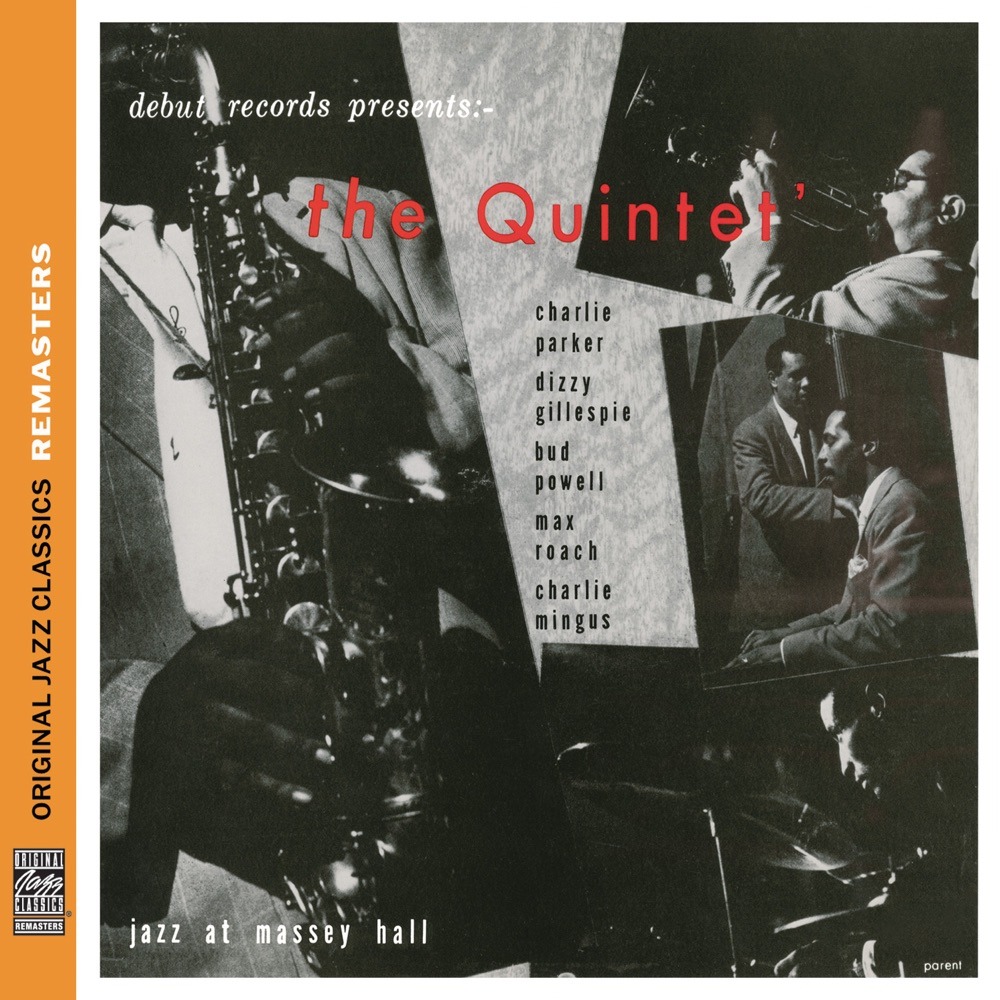
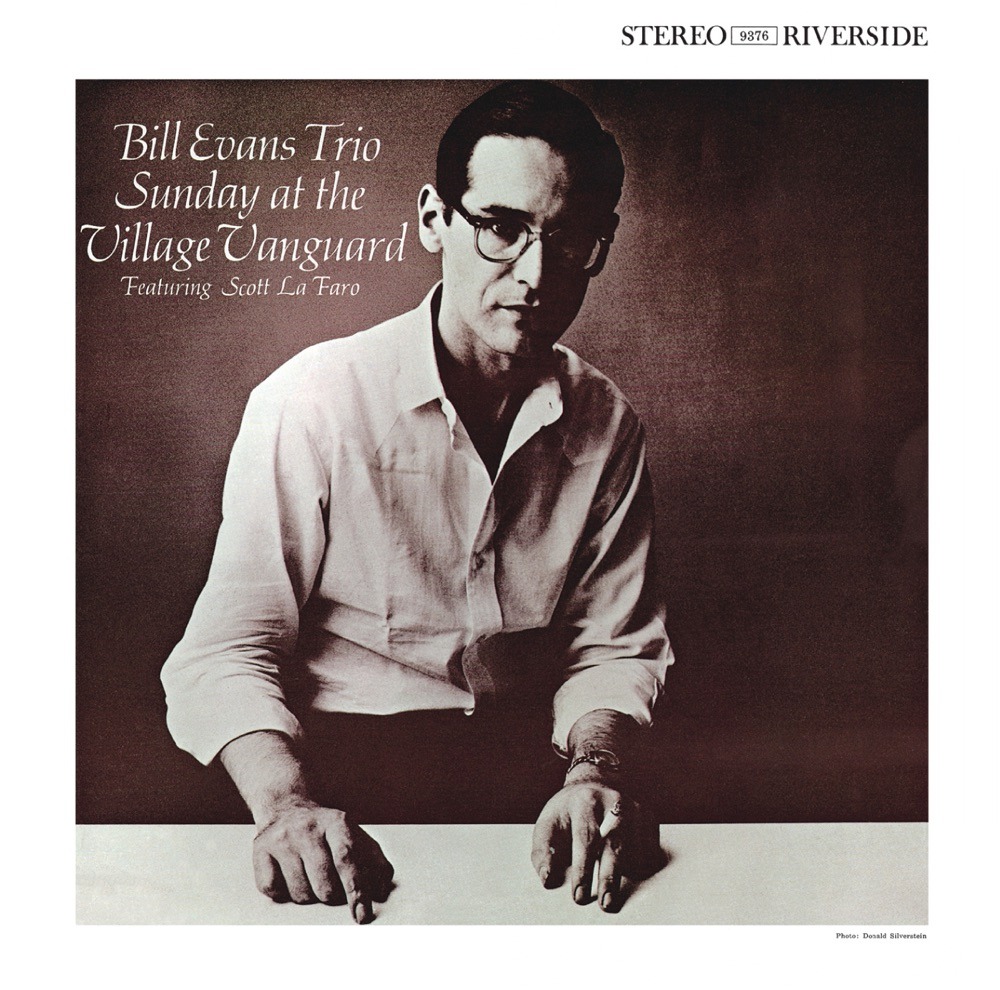
Then the clearing, done together and slowly. One washes and one dries, or one scrapes and stacks while the other wraps the leftovers in foil and finds room for them in a refrigerator that has none. Put a record on low. Roll up your sleeves. There is a particular pleasure in returning a room you both love to its ordinary shape, chair by chair and glass by glass, the extra leaf taken out of the table and the borrowed chairs stacked by the door to go back. It is the house becoming yours again.
Be generous here. Whoever cooked has been on their feet since morning, and whoever hosted has been smiling at people since noon, and often one of you has been both. Notice it. Take the heavy pan out of their hands. Say the meal was good, and name the dish, because a compliment from a guest is pleasant but a compliment from the person who will still be there tomorrow means more.
Leave one thing undone. The roasting tin soaking in the sink, the tablecloth in a heap by the washing machine. A spotless house at midnight is an achievement, but it is also a sign that the hour went to work instead of to each other. Let the morning have something to do.
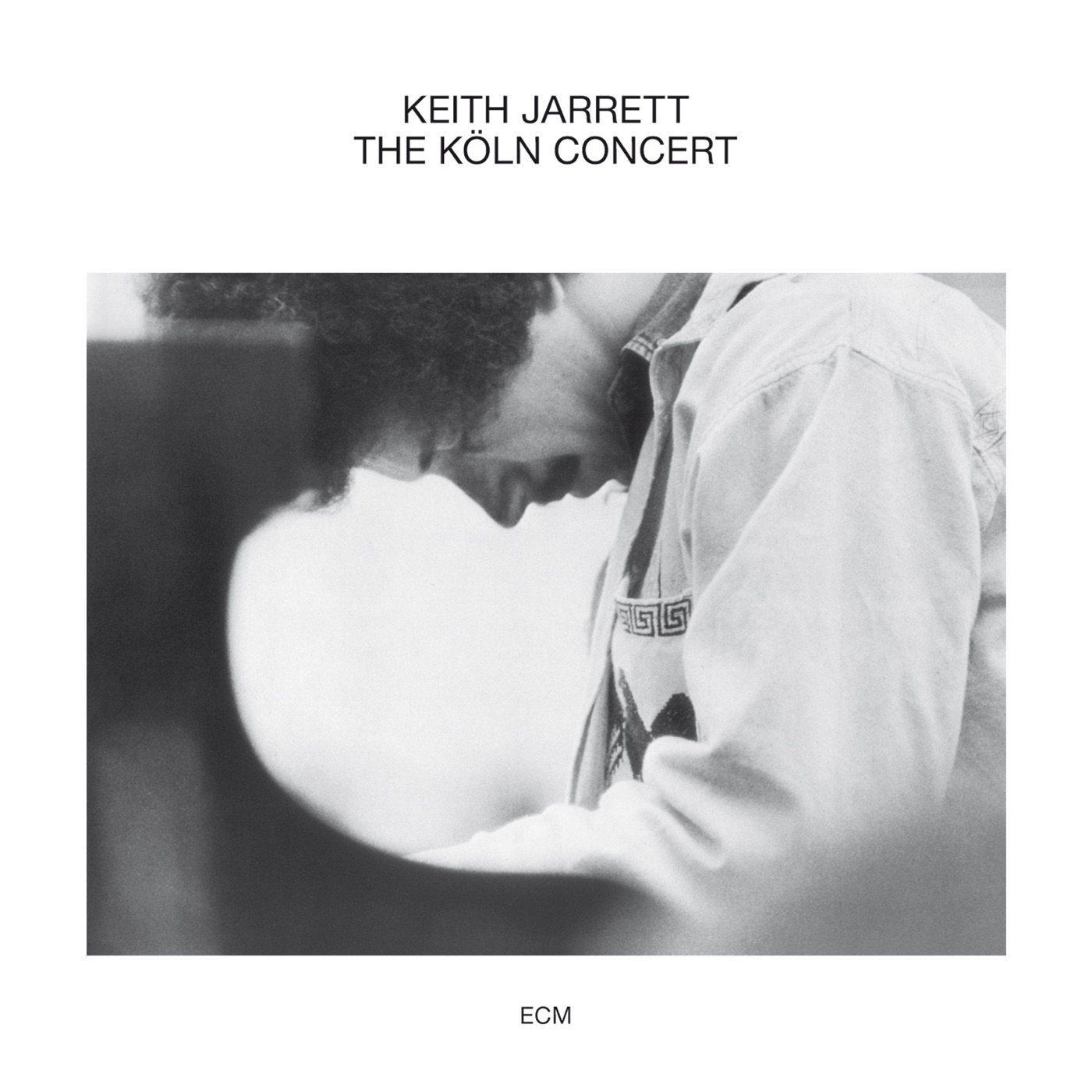
When the lights go off downstairs, the house is a different place from the one it was at noon. It still smells of the meal and the candles and the cold air that came in every time the door opened. There are extra blankets on the guest bed and a scarf somebody forgot on the hook by the door. You will both lie awake a little, not tired yet, the noise of the day still ringing like the end of a concert. Talk until one of you stops answering.
Holidays are, for the most part, given away. To parents and children, to friends and in-laws, to the guests who drove four hours and the ones who stayed a little too long. That is as it should be. But the hour after the last of them goes home is the one part of the season that belongs to nobody but the two of you. Spend it slowly. Close the door.

























Leave a Reply