Date Night — Watching
Some nights ask for one film, and some ask for an evening with a shape to it, a beginning and an interval and a late finish that sends you up to bed still talking. This is the second kind. Two gothic romances, made seventy-five years apart, and one long night in with the lamps turned low.
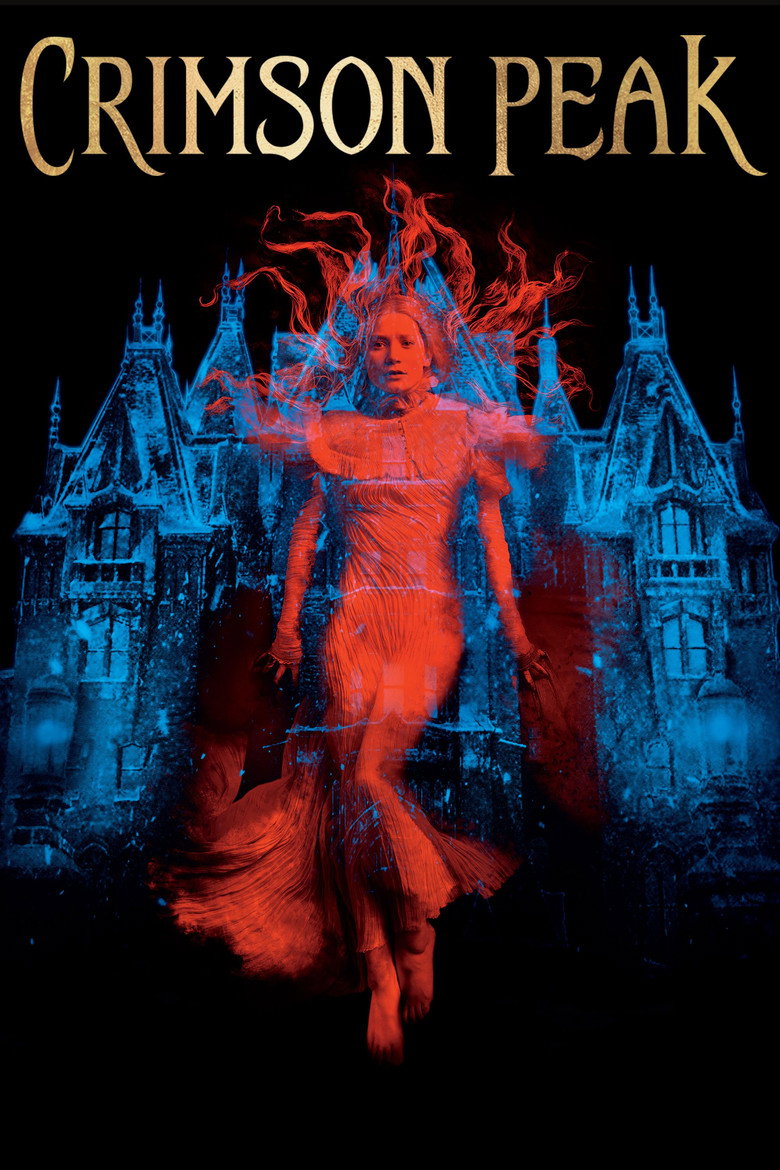
The pairing is simple. Start with Rebecca, Alfred Hitchcock’s 1940 adaptation of Daphne du Maurier’s novel, with Joan Fontaine and Laurence Olivier, a story about a young bride and a house that remembers someone else. Finish with Crimson Peak, Guillermo del Toro’s 2015 film with Mia Wasikowska, Tom Hiddleston and Jessica Chastain, which is a gothic romance first and a ghost story second. One is black and white and full of whispers. The other is drenched in colour, most of it red.
Plan it for a night when nothing waits for you early the next morning. Two films and a proper dinner add up to a long evening, and the whole pleasure of a double feature is that nobody checks the time. Clear the calendar, warn no one, and start cooking while it is still light.
THE EVENING
Cook something red and slow before the first film, so the house smells of it by the time the opening titles roll. A braise in wine, a tomato sauce that has been on the stove since late afternoon, anything that asks you to stir it now and then and otherwise leave it alone. Eat at the table, not on the sofa. Then clear the plates and move to the other room for Rebecca.
Light the room for both films at once: one lamp to the side of the screen, and one candle where you can both see it. No phones. Put them in a kitchen drawer, face down, and leave them there until the second film ends. Gothic stories are built on attention, on the slow noticing of what is wrong in a room, and they lose their hold the moment a screen lights up in someone’s hand.
Dress the sofa before you sit down. Bring every blanket the house owns and a cushion for each of you, set the drinks within reach so nobody has to leave the room during the film, and keep a small plate of something dark and sweet for later. Gothic films are long on atmosphere and patient with their secrets. You will want to settle in.
Take the interval seriously. When Rebecca finishes, stand up, stretch, refill the glasses, and talk about it for ten minutes before you press play again. Trade theories. Say which character you trusted and which you did not. Then turn the lamp down one more notch and start Crimson Peak, which rewards a room that has already been tuned for shadows.
WHAT IT WILL DO
Watching two films back to back changes the way you watch the second. Every staircase in Crimson Peak will remind you of a staircase in Rebecca, and every closed door will feel like a question you learned to ask an hour ago. You will start noticing the same things at the same moment, and turning to each other at the same time. That is the real double feature.
Rebecca will also make Crimson Peak feel more tender than it would on its own. After a story about a bride trying to find her place in a house that belongs to the past, the second film reads as an answer and an echo, a newer telling of the same old fear: that the person you love comes with rooms you have not been shown.
It also stretches the evening past the point where most nights end. By the time the second set of credits rolls it will be late, the candle will be low, and the house will feel larger and quieter than it did at dinner. Neither of you will want to be the first to climb the stairs alone. Go up together.
Pairs with: Crimson Peak
POUR — Mulled red wine, served in glass rather than mugs, so you can watch the colour against the candle.
MOOD — One low lamp, one candle, no phones, and a house that sounds older than it is.














Leave a Reply