
Date Night — Listening
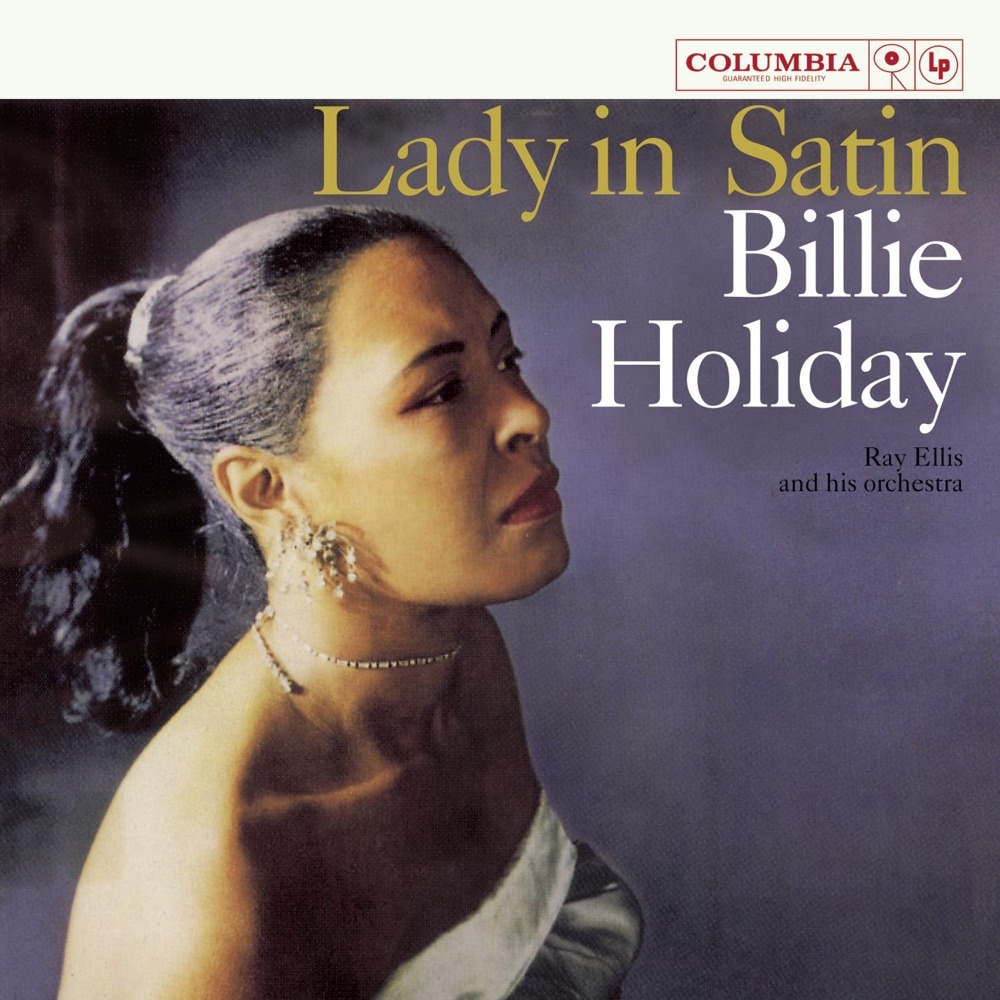
Some records belong to the early evening, when the lights are still on and the plates are still on the table, and some belong to the hour after that, when the house has gone quiet and the dishes can wait until morning and the only thing left to do is hold on to each other. Billie Holiday’s Lady in Satin belongs to the late hour. Save it for then.
It is the album she made for Columbia in 1958, her worn voice set against slow strings arranged and conducted by Ray Ellis. It is tender and bruised and completely unguarded, and it asks two people to slow down until they are moving at its pace. That is the evening. Everything else is preparation.
THE EVENING
Start in the afternoon, with the oven. A slow braise suits this record, something that goes in early and stays in for hours, filling the house with the smell of red wine and onions while the light goes outside. Brown the meat together, one at the stove and one at the board, then put the lid on and leave it be.
While it cooks, set the room. Clear a little space on the kitchen floor, because you are going to want it later. Turn the overhead light off and leave one lamp on by the counter. Put the record by the player, but not on it. Let the anticipation do some of the work.
Dress for it a little, too. Nothing formal, only something softer than the clothes you wore all week, a good sweater, a shirt with the sleeves rolled, bare feet or socks on the kitchen floor. The record was made in satin and strings. The least you can do is change out of the day.
Eat late, and eat slowly. Bread for the sauce, the rest of the bottle that went into the pot, a candle on the table if you have one. Talk about the week, then stop talking about the week. When the plates are pushed aside, pour two small glasses of Armagnac, warm them in your hands, and drop the needle.
Do not move to the sofa. Stay in the kitchen, leaning on the counter with your glasses, and let the first song find you there. Somewhere around the second or third, one of you will put a glass down and hold out a hand. Take it. There is not much room between the table and the stove, and there does not need to be. A slow dance in the kitchen asks only for two people and a song that knows what it is doing.
WHAT IT WILL DO
This record has a way of taking the guard down from anyone who listens closely. Her voice is not polished here. It is cracked and honest and full of every year she lived, and against the silk of the strings it sounds like someone telling you the truth at the end of a long night. Two people hearing that together end up telling a little more of the truth themselves.
It also slows the body down. You cannot hurry to this music, and you will not want to. The dance becomes more of a sway, then more of a hold, foreheads close, the warm smell of the kitchen still around you, and the record turning on in the other room as if it were playing just for the two of you.
And when the last song ends, it leaves a silence worth keeping. Do not reach for another album. Finish the Armagnac, leave the pot soaking in the sink, and let the quiet carry you both upstairs.
From the kitchen: a dish that braises for hours suits a record this patient, and Beef bourguignon, recipe by Barney Desmazery, on BBC Good Food, fills the house while the light goes.
The album is easy to find on Amazon, if your shelf has room for one more late record.
Pairs with: Lady in Satin
POUR — A glass of Armagnac.
MOOD — One lamp by the counter, a braise in the oven, two small glasses of Armagnac, and a slow dance between the table and the stove.
Some links in this piece are affiliate links, and as an Amazon Associate I earn from qualifying purchases, at no extra cost to you.






























Leave a Reply